


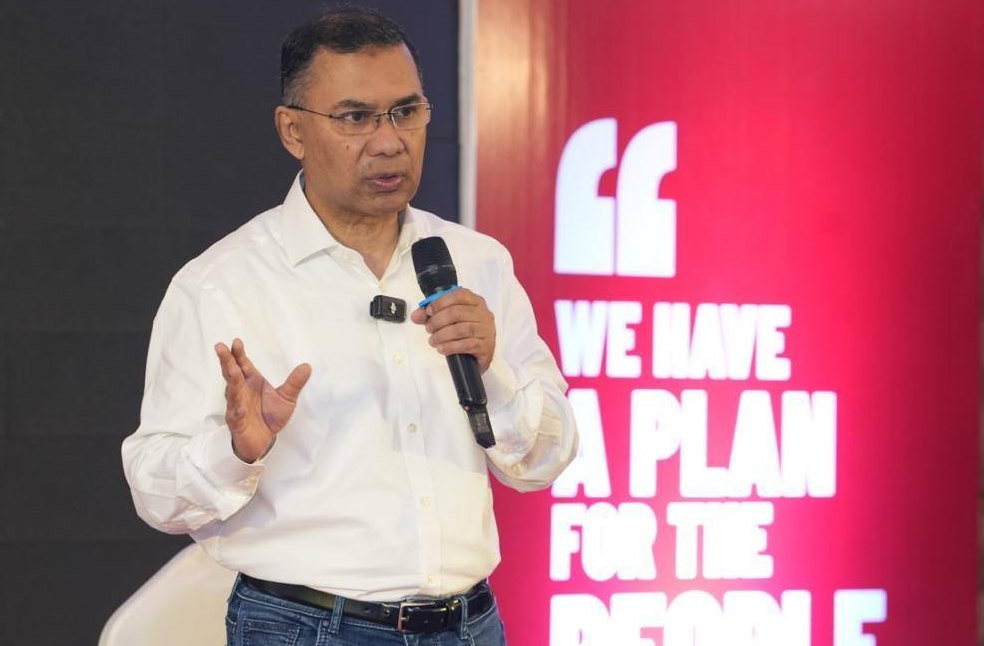
Dhaka: Tarique Rahman has been sworn into Bangladesh’s parliament with other elected representatives, marking the first legislature since the 2024 uprising that removed the previous administration.
The Tarique Rahman leadership has prepared to take charge of the country of 170 million people after an interim government oversaw governance for a year and a half following the fall of Sheikh Hasina’s administration.
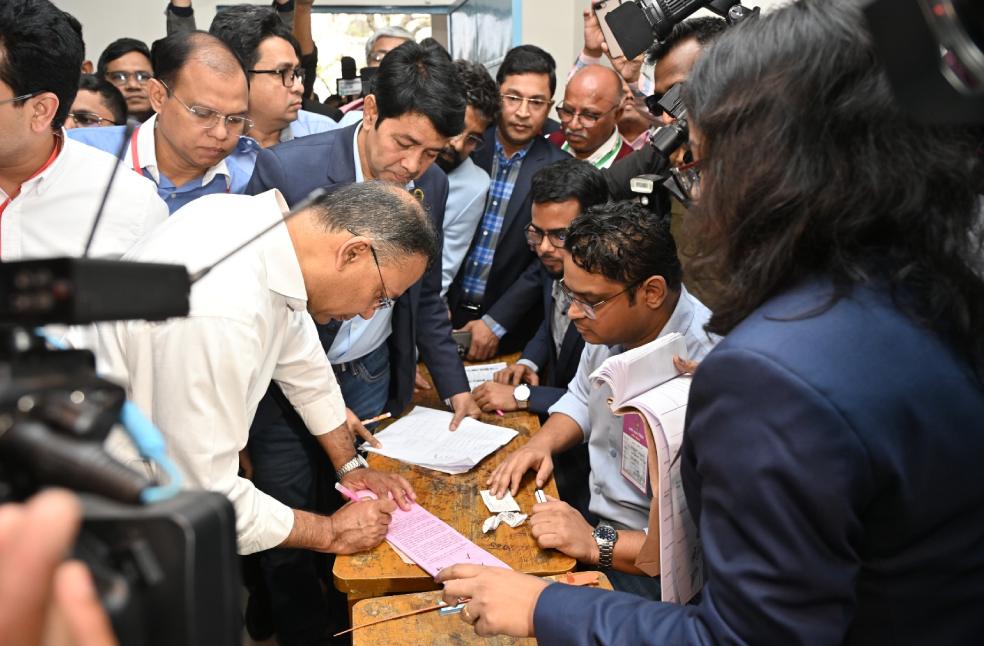
Members of parliament have pledged loyalty to Bangladesh during the ceremony conducted by chief election commissioner A M M Nasir Uddin. The Bangladesh Nationalist Party has been expected to formally confirm Tarique Rahman as parliamentary leader, after which President Mohammed Shahabuddin has been scheduled to administer the oath of office to the prime minister and cabinet.
Tarique Rahman, aged 60 and head of the Bangladesh Nationalist Party, has secured a decisive victory in the 12 February elections. In remarks following the result, Rahman said that, the victory belonged to Bangladesh and to people who have aspired for democracy. Rahman has also highlighted economic and institutional challenges ahead, noting the need to stabilise a fragile economy and strengthen governance structures after a period of turmoil.
The new administration has pledged to restore stability and rebuild investor confidence in Bangladesh, the world’s second-largest garment exporter. Tarique Rahman has urged political unity in a country shaped by years of rivalry and polarisation.
Tarique Rahman has returned to Bangladesh in December after 17 years in exile in Britain. The BNP-led coalition has secured 212 seats in parliament, while the Jamaat-e-Islami-led alliance has won 77. Jamaat leadership has challenged results in 32 constituencies but has indicated a commitment to serve as opposition in parliament.
The Awami League has been barred from contesting the election. Sheikh Hasina, sentenced to death in absentia for crimes against humanity, has issued a statement from India criticising the election. India has welcomed the BNP victory, signalling a shift in previously strained relations.
Only seven women have been directly elected, while an additional 50 reserved seats for women will be allocated proportionally. Four minority community members have won seats, including two Hindu representatives in Muslim-majority Bangladesh.
TRENDING | India dominate Pakistan in T20 World Cup clash in Colombo
