


Herat: The Taliban authorities in Afghanistan have ordered women, including patients, caretakers and medical staff, to wear a burka to enter public health facilities in Herat, according to Médecins Sans Frontières (MSF).
The new directive has come into effect from November 5, further limiting women’s freedom and access to essential health services.
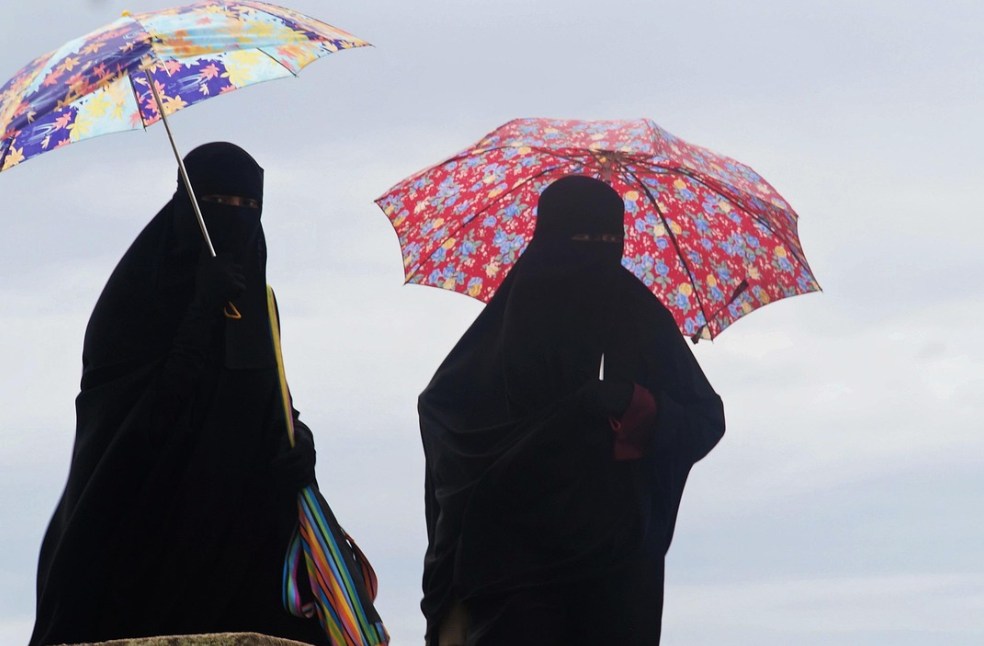
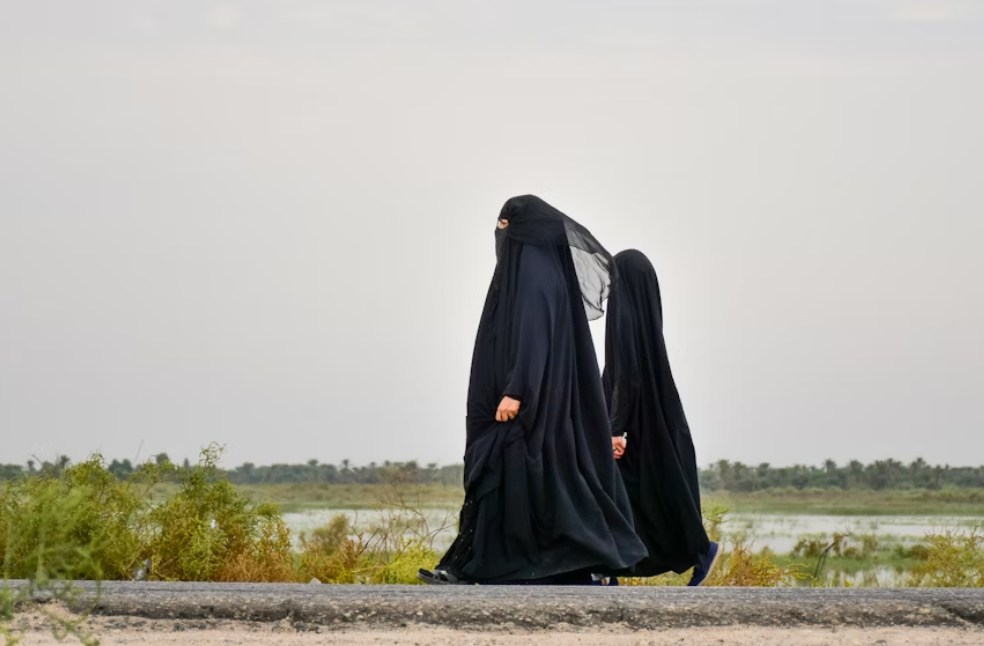
MSF, which supports paediatric services at Herat Regional Hospital, has observed a 28 percent decline in emergency admissions since the enforcement began. Taliban members stationed at hospital entrances have reportedly denied entry to women not wearing the burka, a full-body veil that leaves only a mesh screen to see through.
Sarah Chateau, programme manager at MSF Afghanistan, said that the restrictions have worsened the challenges faced by women seeking urgent medical care. The organisation has warned that such policies are worsening the humanitarian situation, as female patients are being turned away despite severe conditions.
A spokesperson from the Taliban’s Ministry for the Propagation of Virtue and Prevention of Vice has dismissed MSF’s claim, stating that there is no order forcing women to wear the burka, and that the ministry only emphasises general observance of hijab. However, activists and local witnesses in Herat have reported that Taliban guards have continued to enforce the dress rule at hospitals, schools and government offices.
Human rights defenders have criticised the decision, calling it a further example of restrictions on women under Taliban governance. Some activists in Herat have protested by burning burkas.
Since regaining power in August 2021, the Taliban has barred women from most workplaces and universities, and girls from secondary schools. In 2022, an edict urged all women to wear an Islamic face veil in public, described by officials as ‘advice’ but widely seen as mandatory in practice.
The United Nations has repeatedly urged the Taliban to lift what it calls ‘gender apartheid’. The UN has also suspended certain operations in Afghanistan’s border regions due to restrictions on female workers.
POPULAR | Fatal explosion near Delhi’s Red Fort sparks investigation
