



London: Children as young as 11 who display misogynistic behaviour will be taught how to distinguish between pornography and healthy real-life relationships under a multimillion-pound government initiative aimed at tackling misogyny in schools across England.
The measures, designed to confront misogyny at an early age, will include teaching pupils the difference between pornography and healthy real-life relationships, as part of a wider strategy to challenge misogyny and reduce violence against women and girls (VAWG).
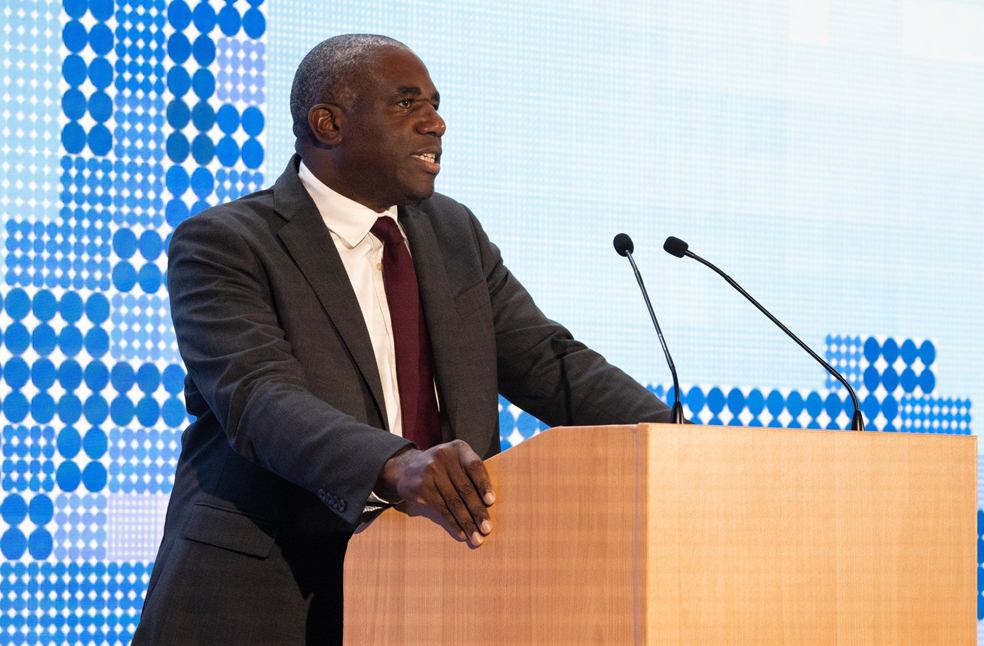
The initiative comes on the eve of the government publishing its long-awaited strategy to halve violence against women and girls within a decade. Foreign Secretary David Lammy stated that the fight against misogyny “begins with how we raise our boys,” stressing that misogyny, toxic masculinity, and the safety of girls and women are deeply interconnected.
I want my daughter to grow up in a Britain where she feels safe in school, online, and in relationships.
Every young girl deserves that, and every young boy should be protected from harmful misogynistic influences.
My government is making that happen, by backing teachers,…
— Keir Starmer (@Keir_Starmer) December 18, 2025
As part of the flagship strategy, teachers will be given the authority to refer children and young people at risk of causing harm, often linked to misogynistic attitudes, to specialist behavioural intervention courses. Educators will also receive training to identify and intervene when they witness worrying or disturbing behaviour associated with misogyny in classrooms and school environments.
Prime Minister Keir Starmer, announcing the strategy, said parents should be able to trust that their daughters are safe at school, online, and in their relationships. Starmer warned that misogynistic ideas and toxic beliefs are increasingly taking hold early in children’s lives and are often left unchallenged.
Officials noted that the strategy will explicitly address modern forms of misogyny, including deepfakes, image-based abuse, and online harassment. Educational courses will also cover coercive control, peer pressure, stalking, and porn literacy, helping young people understand the difference between fantasy-driven content and real, respectful relationships.
These measures will complement the updated Relationships, Sex and Health Education (RSHE) curriculum, which becomes statutory in state schools from September 2026. The revised curriculum includes expanded lessons on AI literacy, deepfakes, online harms, and the role of misogyny in digital spaces.
Secondary schools will receive wider support to challenge misogyny and promote healthy, respectful relationships. A new pilot programme will see specialist organisations working alongside teachers to educate pupils about consent and the risks of sharing explicit images, particularly in online environments where misogyny can spread rapidly.
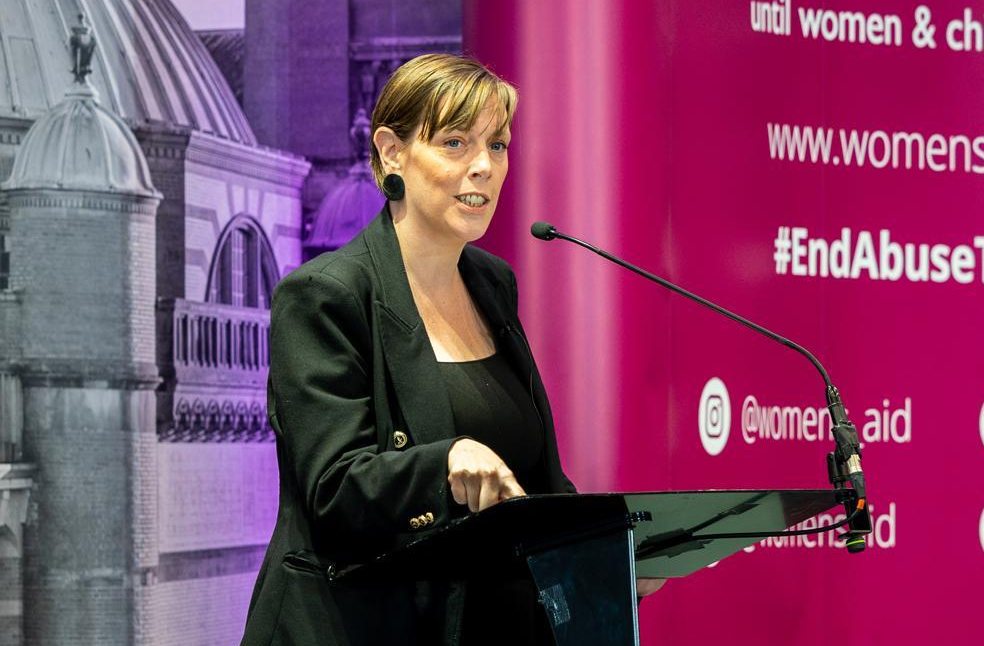
Safeguarding Minister Jess Phillips, who has played a central role in shaping the policies, said that tackling misogyny requires action rather than rhetoric. “A strategy is just words. And we know words are not enough. What matters is action.”
The strategy is expected to rest on three main pillars: preventing young men from being drawn into misogynistic ‘manosphere’ content promoted by influencers such as Andrew Tate; strengthening measures to stop abusers in England and Wales through dedicated rape and sexual offences teams and enforceable domestic abuse protection orders; and committing £550 million in funding to support victims.
However, concerns have been raised about whether the response to misogyny is adequately funded. Domestic abuse commissioner for England and Wales, Nicole Jacobs, said that while the strategy recognises the scale of misogyny and the attitudes that underpin violence against women and girls, investment in specialist victim services remains insufficient.
Lammy described misogyny and violence against women and girls as a national emergency. As a father, he said the issue is deeply personal, noting that today’s children are growing up in a digital world where pornography is easily accessible, misogyny spreads quickly, and harmful voices promote control over empathy.
The Deputy Prime Minister and Victims Minister, Alex Davies-Jones, will convene a national summit next year to examine the challenges facing men and boys, while the government has also announced a new men’s health strategy.
Advocacy groups have welcomed the ambition to confront misogyny but cautioned that expectations could rise faster than the capacity of the justice system and support services.
Andrea Simon, Director of the End Violence Against Women Coalition, warned that without sustained investment, efforts to address misogyny risk overwhelming already stretched statutory and voluntary services.
ALSO READ | AI giants offer free plans in India to win millions of users
