


Hanoi: Vietnam swine fever outbreaks have intensified this year, with the government warning that the spread of the disease could seriously affect the nation’s food security.
According to the Ministry of Agriculture, 514 outbreaks have been detected across 28 of Vietnam’s 34 cities and provinces so far in 2025.
In response, authorities have culled more than 30,000 infected pigs in an effort to stop further transmission. The government has described the risk as rising, noting that African swine fever could damage not only the pig farming industry but also the environment and the stability of local food markets.
The disease has long been a threat to global pork production. During the 2018–2019 crisis in China, the virus wiped out about half of the world’s largest pig herd, causing estimated losses of over $100 billion.

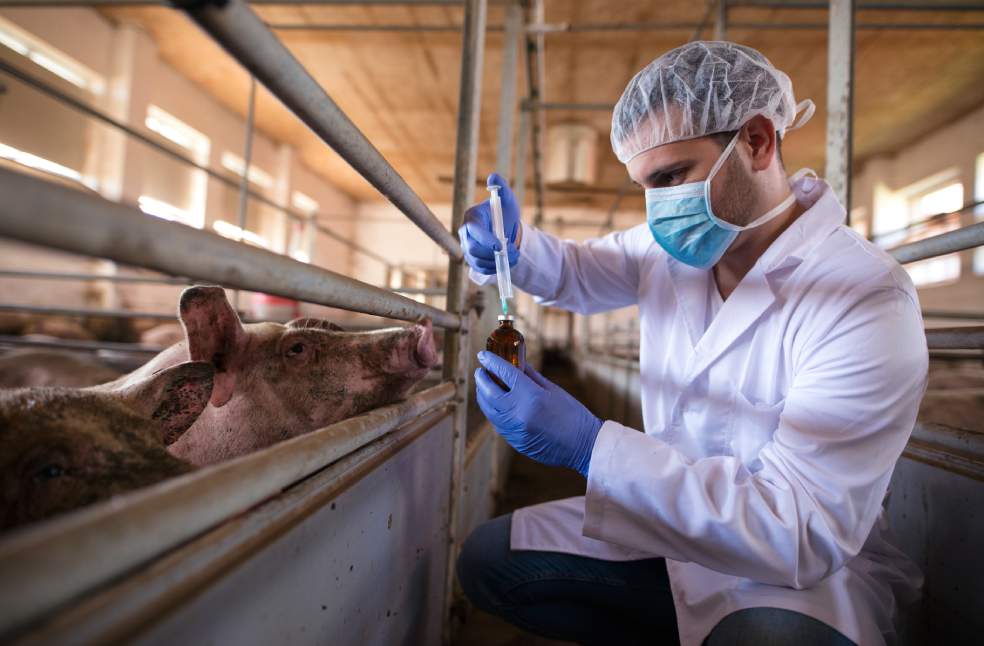
With new outbreaks, Vietnam’s Prime Minister Pham Minh Chinh has issued an urgent directive to all provinces and related agencies to tighten controls, strengthen vaccinations, and apply measures to prevent further losses.
While Vietnam approved its first domestic African swine fever vaccine for commercial use last year, adoption rates remain low. Officials in Quang Ngai province stated that only around 30 percent of pigs there have been vaccinated. Uncertainty over supply, effectiveness, or costs may be behind the slow rollout, according to local sources.
Calls for comment from the Department of Animal Health and AVAC Vietnam JSC, the country’s main vaccine producer, have gone unanswered. However, AVAC has previously noted it sold 3 million doses inside Vietnam and exported another 600,000 doses to the Philippines and Indonesia.
As the outbreaks grow, the Vietnamese government has urged farmers to step up disease prevention measures to avoid a repeat of past devastating losses that severely impacted pork supply and prices both regionally and globally.
ALSO READ | Torrential rains kill 63 in Punjab as monsoon escalates across Pakistan
