


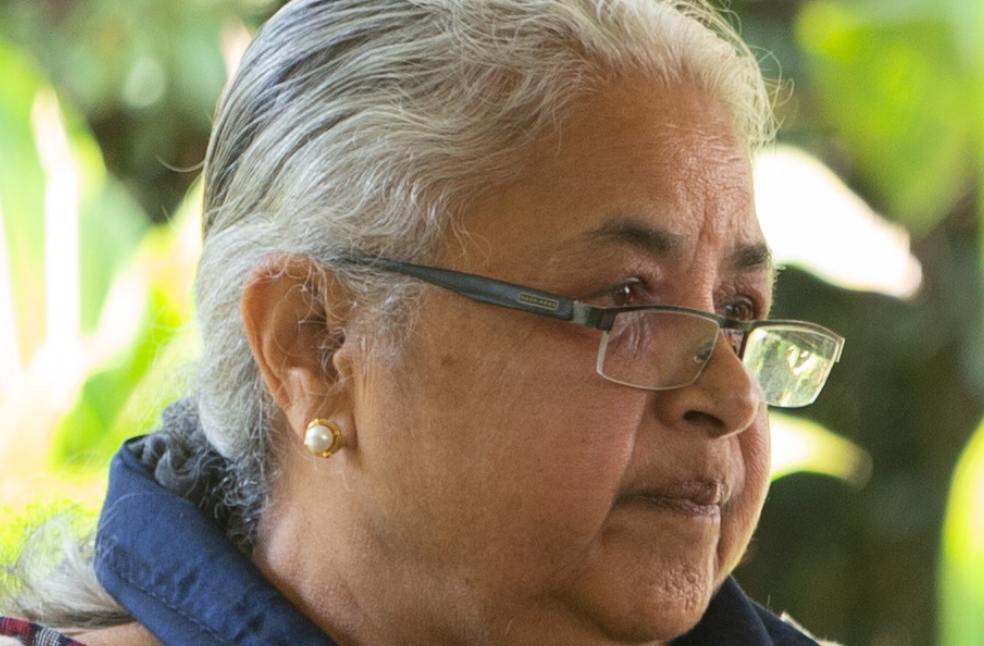
Kathmandu: Nepal’s former Supreme Court chief justice Sushila Karki has been sworn in as the country’s interim prime minister after mass anti-corruption protests forced the resignation of Prime Minister KP Sharma Oli and the dissolution of parliament.
Karki, 73, took the oath of office in a brief ceremony, becoming the first woman to lead the Himalayan nation. Her appointment follows days of negotiations between President Ram Chandra Poudel, protest leaders, and legal experts, with Nepal’s army chief playing a key role in brokering the deal.
The announcement comes after one of Nepal’s deadliest bouts of political unrest in decades. More than 50 people were killed during violent clashes between demonstrators and riot police in Kathmandu and other cities. Protesters had taken to the streets after the government banned 26 social media platforms, including Facebook, WhatsApp, and Instagram. Although the ban was lifted, anger over corruption and political privilege had already spiralled into a wider movement.
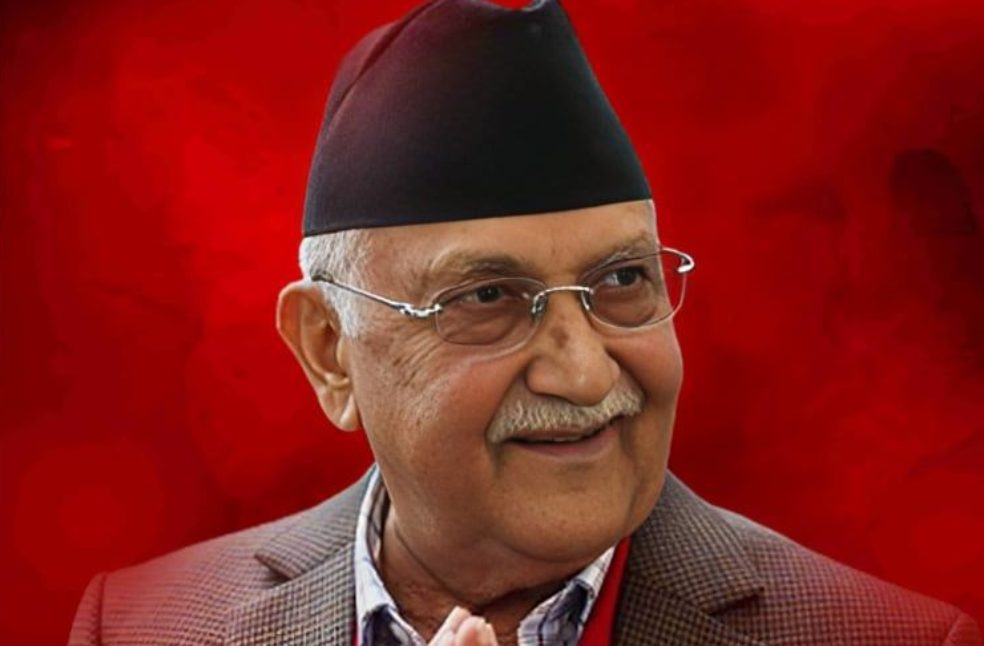
Furious crowds stormed parliament and government buildings inside the historic Singha Durbar palace, setting parts of the complex ablaze and prompting Oli’s resignation. Parliament has now been dissolved, and fresh elections are scheduled for 5 March 2026. Karki is expected to form a caretaker cabinet within days, with her immediate priorities including restoring law and order, rebuilding damaged institutions, and assuring accountability for those behind the violence.
Karki’s rise to power has been celebrated by young protesters, particularly members of ‘Gen Z,’ who were at the forefront of the demonstrations. She visited the protest site in Kathmandu, meeting families of victims and survivors of police clashes that left 19 dead.
Widely seen as a leader with a clean image, Karki previously served as Nepal’s first female chief justice in 2016, though her tenure was marred by controversy, including an impeachment attempt. Her personal ties to the influential Koirala political dynasty and the support of her late husband, politician Durga Subedi, have shaped her legal and political career.
The new interim government faces daunting challenges as Nepal grapples with deep mistrust in its political elite, ongoing army patrols in the capital, and fears that the fragile democratic system could be derailed. For many, however, Karki’s appointment represents a turning point and a chance to reset the country’s political course.
RELATED | Nepal lifts social media ban after deadly protests leave 19 dead
