


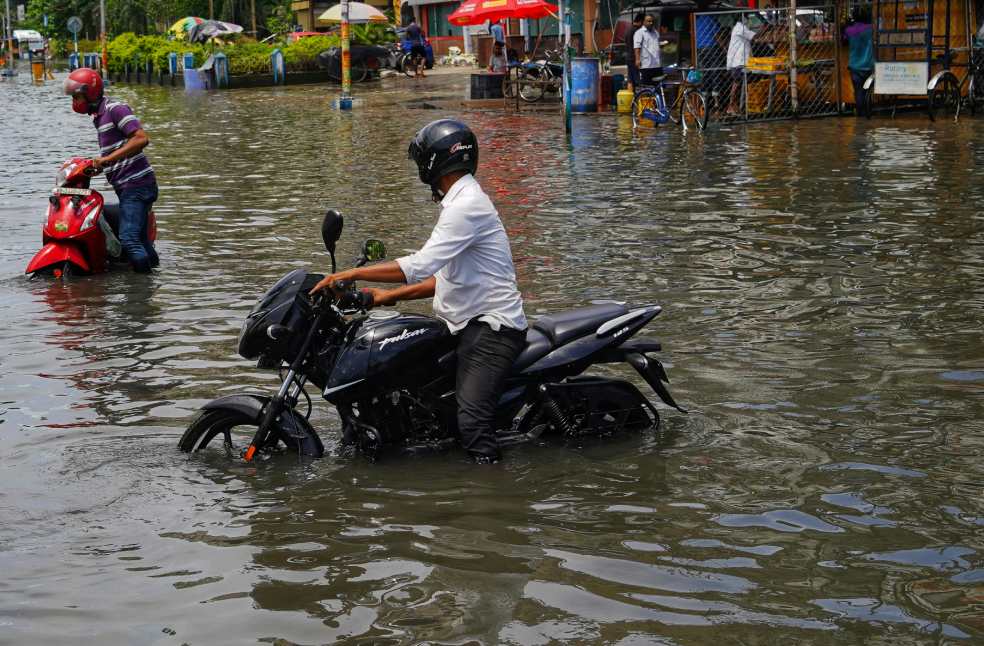
Philippines: More than 100,000 people have been evacuated from eastern and northern regions of the Philippines as Super Typhoon Fung-wong intensified, bringing destructive winds and torrential rain ahead of its expected landfall later in the day.
Packing sustained winds of 185km/h and gusts reaching 230km/h, Fung-wong is forecast to deliver severe flooding, storm surges, and widespread damage across affected provinces. Storm alert signals have been raised across large parts of the country, with Eastern Visayas already experiencing power outages.
According to the Civil Aviation Authority of the Philippines, more than 300 domestic and international flights have been cancelled. Images released by the Philippine Coast Guard showed evacuees in Camarines Sur carrying their belongings as they were transported from passenger boats to waiting trucks during preemptive evacuations.
View this post on Instagram
In Aurora province, where the typhoon is expected to make landfall, rescuers have been going door to door urging residents to move to higher ground. Government meteorologist Benison Estareja warned that Fung-wong could bring 200mm or more of rain, increasing the risk of major river overflows and landslides.
The US National Oceanic and Atmospheric Administration (NOAA) released satellite images showing the massive scale of the storm system as it churns toward the country.
The arrival of Fung-wong comes just days after Typhoon Kalmaegi devastated parts of the Philippines, killing 204 people and leaving dozens missing before moving on to Vietnam, where it claimed five more lives.
Rescue operations in Kalmaegi-hit provinces have been temporarily suspended due to the approaching super typhoon. Myrra Daven, a local disaster official stated that, “We were ordered to stop the search, rescue, and retrieval at 3pm today. We cannot risk the safety of our rescuers.”
Scientists have long cautioned that climate change is intensifying tropical storms, with warmer oceans fueling rapid typhoon formation and a hotter atmosphere carrying more moisture, leading to heavier rainfall and more destructive weather events.
MOST READ | US Supreme Court allows a hold on US food benefits
