



London: A groundbreaking study led by King’s College London has scientifically confirmed that viewing original artworks in a gallery can relieve stress, reduce the risk of heart disease, and boost immune function, offering tangible evidence of art’s power to enhance both mental and physical well-being.
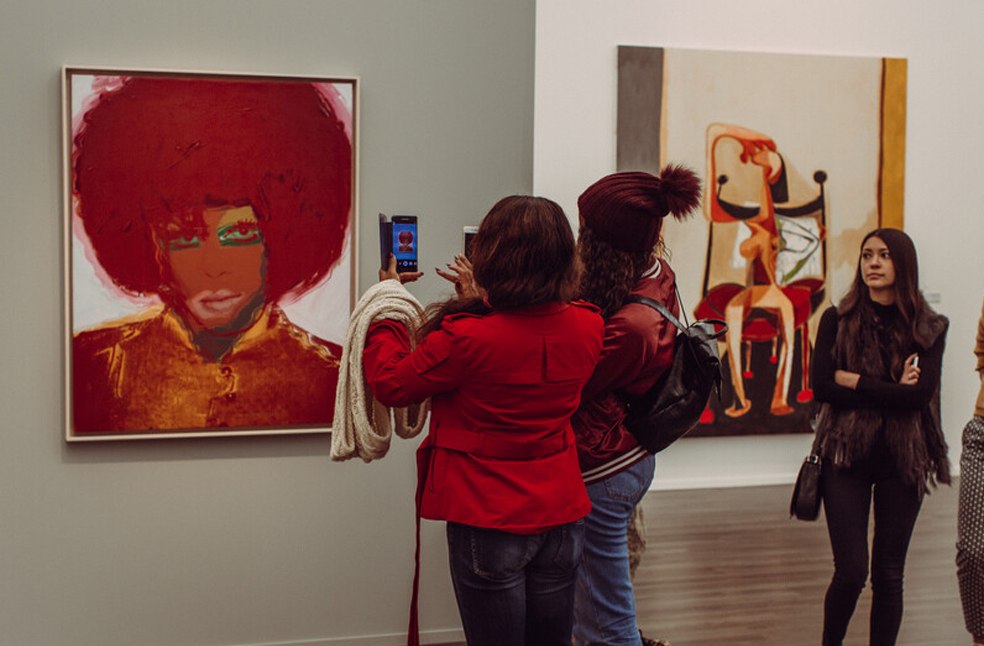
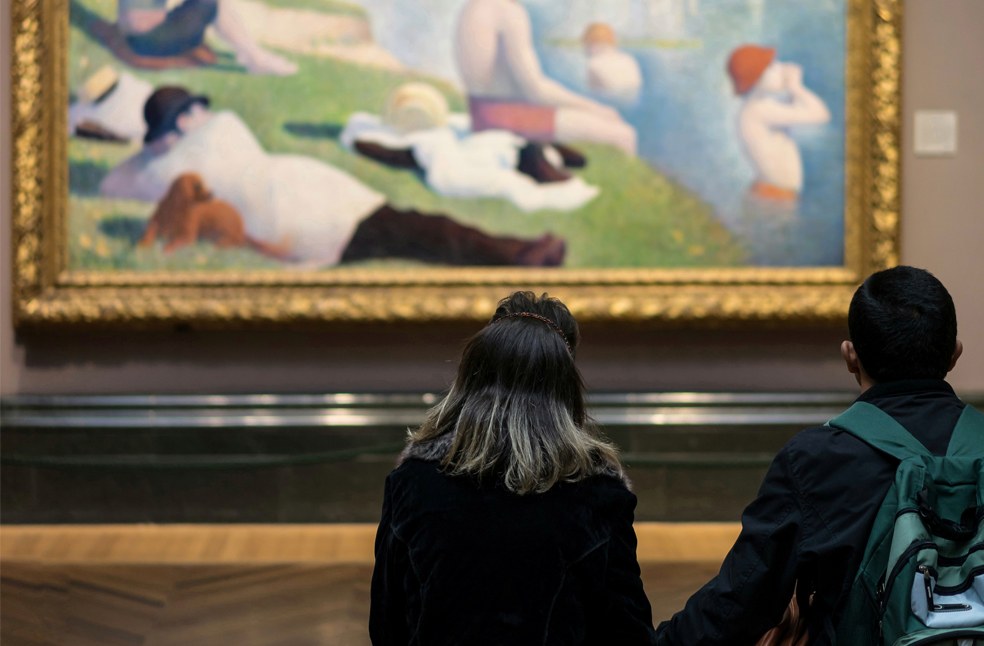
The research, described as the first study of its kind, measured the physiological effects of viewing original masterpieces by celebrated artists, including Manet, Van Gogh, and Gauguin. Participants experienced art in two distinct environments: some viewed the authentic works at the Courtauld Gallery in London, while others viewed high-quality reproductions in a non-gallery setting.
The study involved 50 volunteers aged between 18 and 40, each monitored using sensors that continuously tracked heart rate and skin temperature during a 20-minute viewing session. Saliva samples were collected both before and after exposure to measure key biomarkers linked to stress and immune responses.
Results revealed striking differences between the two groups. Among those who viewed original art in the gallery, levels of the stress hormone cortisol dropped by an average of 22 percent, compared with only 8 percent among participants viewing reproductions.
Furthermore, levels of pro-inflammatory cytokines, specifically IL-6 and TNF-alpha, which are associated with stress, inflammation, and chronic diseases, fell by 30 percent and 28 percent, respectively, among gallery participants. In contrast, no significant changes were observed in the control group, highlighting the unique physiological impact of viewing original art.
Researchers concluded that original art simultaneously influences the immune, endocrine, and nervous systems, a discovery not previously recorded in scientific literature. This multidimensional response suggests that viewing authentic artworks not only evokes emotion but also induces measurable physical calmness and balance.
Dr. Tony Woods, a researcher at King’s College London, emphasized the significance of these findings and said that, “The research clearly shows the stress-reducing properties of viewing original art and its ability to simultaneously excite, engage, and arouse us.”
“Stress hormones and inflammatory markers like cortisol, IL-6, and TNF-alpha are linked to a wide range of health problems, from heart disease and diabetes to anxiety and depression. The fact that viewing original art lowered these markers suggests that cultural experiences may play a real role in protecting both mind and body,” Dr. Woods added.
The study also detected signs of emotional and physiological excitement among those viewing art in the gallery setting, including a slight dip in skin temperature, elevated heart rates, and variation in heartbeat patterns, all of which indicate heightened emotional engagement combined with relaxation.
The researcher added that, “From a scientific perspective, the most exciting outcome is that art had a positive impact on three different body systems, the immune, endocrine, and autonomic systems, at the same time. This is a unique finding and something we were genuinely surprised to see. In short, our unique and original study provides compelling evidence that viewing art in a gallery is good for you and helps to further our understanding of its fundamental benefits. In essence, art doesn’t just move us emotionally, it calms the body too.”
Before the experiment, participants also completed emotional intelligence questionnaires. However, the study found no correlation between emotional intelligence levels and physiological responses, indicating that the health benefits of art were universal and not influenced by personality type or pre-existing emotional awareness.
Jenny Waldman, Director of the Art Fund, which co-funded the research, celebrated the findings and noted that, “This study proves for the first time what we’ve long felt at Art Fund, that art really is good for you. What’s particularly exciting is that the findings show these benefits are universal; they can be experienced by anyone. We want to encourage everyone to make time to visit their local museum or gallery and experience these powerful effects for themselves.”
ALSO READ | Experts Warn: SAD is more than just ‘winter blues’
