


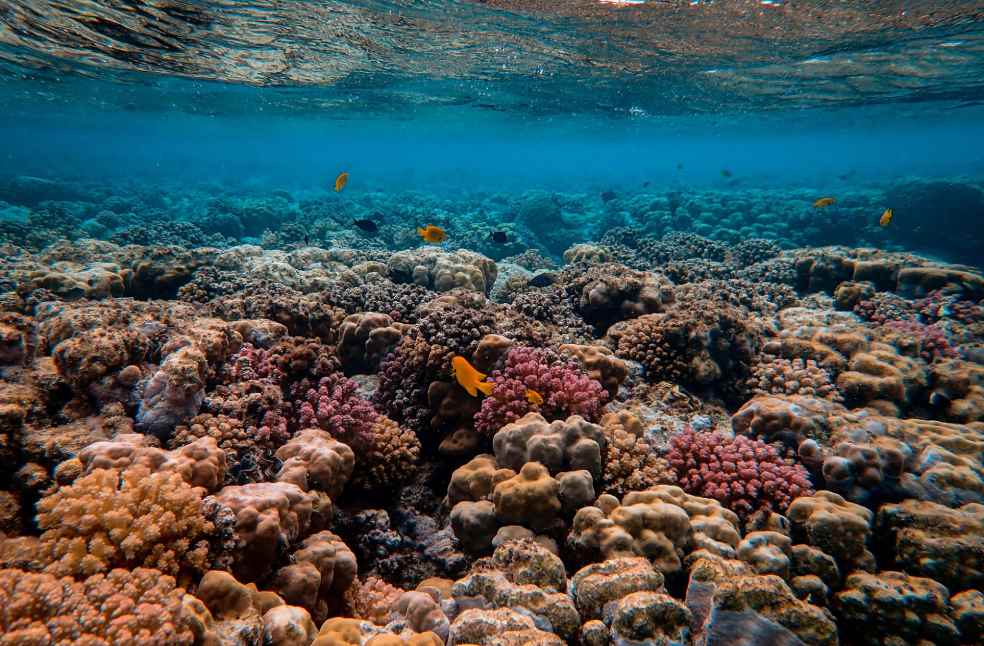
Australia: The Great Barrier Reef is on track for a ‘grim future’ and will experience a rapid loss of coral by 2050, according to a new study by researchers at the University of Queensland.
However, parts of the reef may still recover, if global warming is kept below 2°C. Researchers simulated the eco-evolutionary dynamics of more than 3,800 individual reefs, analysing how corals adapt to rising water temperatures, compete with one another and respond to environmental stress. They found that some coral species are naturally better at adapting to warmer oceans and could help repopulate damaged reefs. Reefs located near cooler-water currents also showed higher resilience, offering what scientists described as a ‘glimmer of hope’.
Dr. Yves-Marie Bozec, who led the research, said the overall outlook remained bleak. Dr. Yves-Marie Bozec stated that, “We forecast a rapid coral decline before the middle of this century regardless of the emissions scenario.”
Dr. Bozec added that while some reef areas might partially recover after 2050, this would only be possible if ocean warming slows enough for natural adaptation to keep pace. Dr. Bozec added that, “Adaptation may keep pace if global warming does not exceed two degrees by 2100. The window for meaningful action is closing rapidly but it hasn’t shut.”
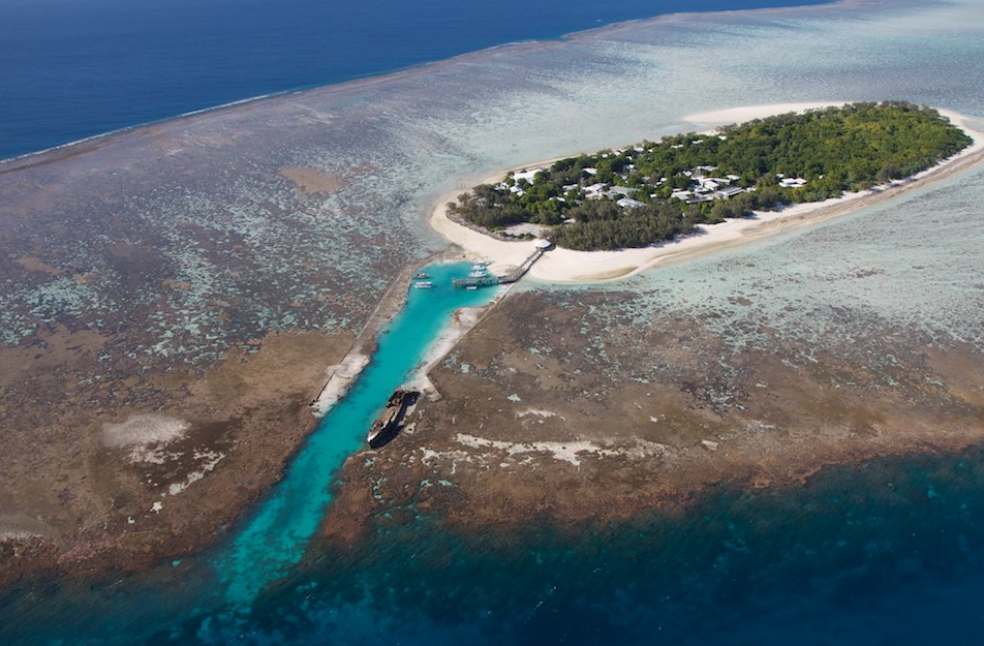
The Great Barrier Reef, stretching over 2,300 km off Australia’s northeast coast, has already suffered four major marine heatwaves between 2016 and 2022. These heatwaves caused widespread bleaching, when corals expel the algae that sustain them, often resulting in death. A recent report also revealed that parts of the reef have experienced the largest annual drop in coral cover since monitoring began nearly 40 years ago.
Co-author Prof. Peter Mumby said the study found that many reefs could still survive if global climate goals set under the Paris Agreement are met. Almost 200 nations have pledged to keep global temperature rises to 1.5°C and well below 2°C compared to pre-industrial levels. Prof. Mumby remarked that, “Many reefs could persist under the Paris agreement target of two degrees of warming. However, higher emissions leading to faster temperature rises would drive most reefs to near collapse.”
The researchers highlighted that reefs in areas where water remains cooler due to strong mixing, and those close to coral populations capable of regenerating damaged areas, fared significantly better. Protecting these resilient zones will be crucial to preserving the reef’s future.
In summary, while the reef is expected to suffer severe coral loss in the coming decades, strong global action to curb carbon emissions could allow parts of this natural wonder to endure and eventually recover.
TRENDING | Pope Leo rules out title ‘Co-Redemptrix’ for Mary
