


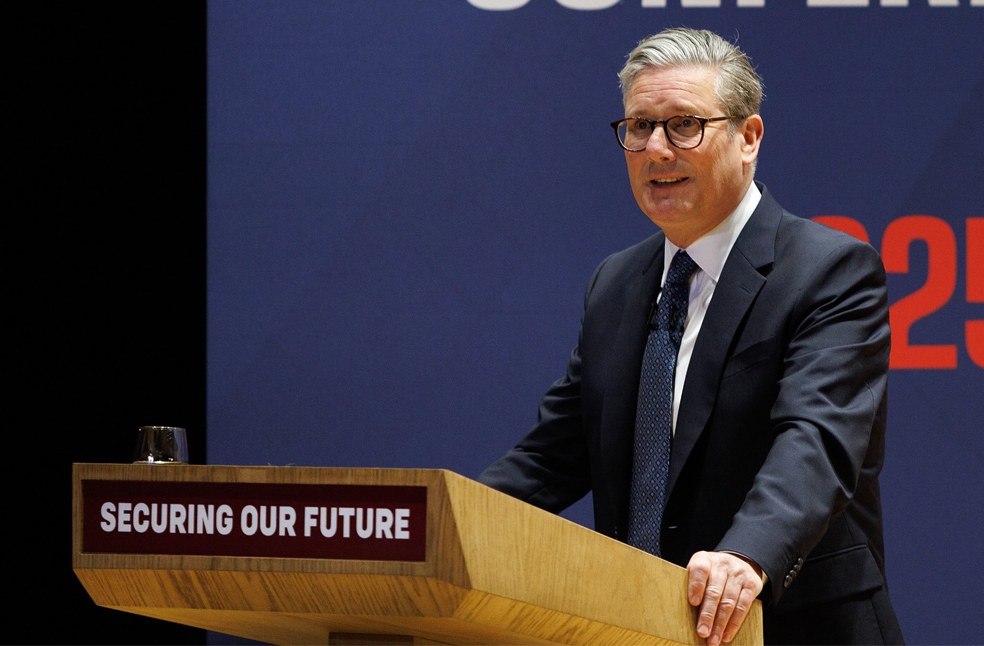
London: Prime Minister Sir Keir Starmer has announced a comprehensive 10-year plan to reform the UK’s National Health Service (NHS), which the government describes as ‘one of the most seismic shifts’ in NHS history.
The strategy revolves around three main priorities: shifting care into local communities, digitising NHS services, and placing a strong emphasis on preventative healthcare.
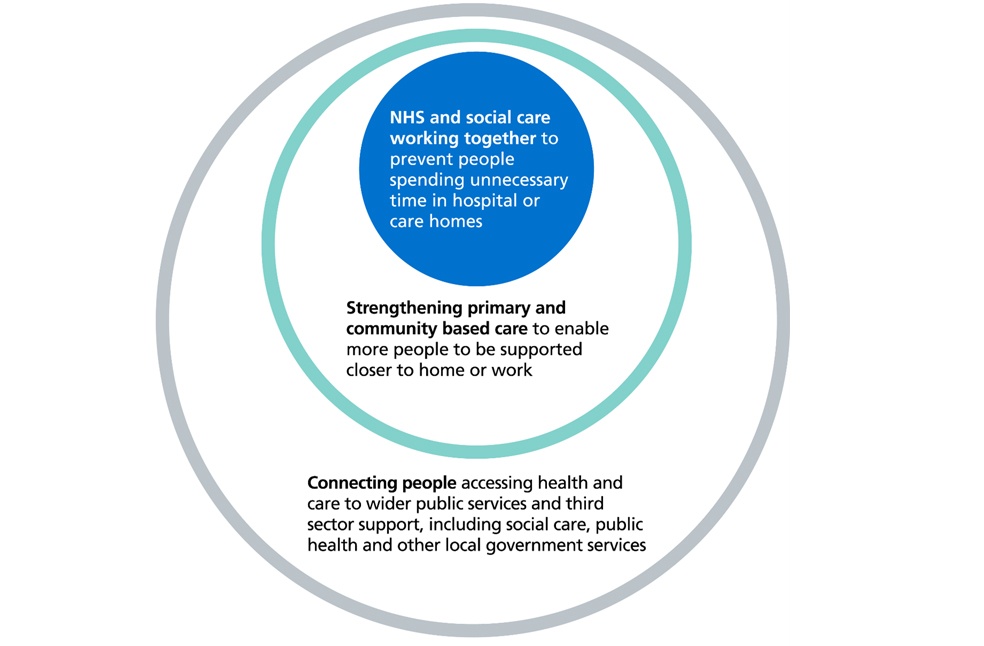
At the heart of the plan is the introduction of Neighbourhood Health Services, a system designed to bring care closer to people’s homes and relieve pressure on overstretched hospitals. These centres will be rolled out across England, offering services such as GP appointments, diagnostics, post-operative care, and rehabilitation.
🚨 Hot off the press… the 10 Year Health Plan.
More details tomorrow. pic.twitter.com/aEO2sgnnqw
— Department of Health and Social Care (@DHSCgovuk) July 2, 2025
They are envisioned to operate 12 hours a day, six days a week, and will also provide integrated community services, including debt advice, employment support, stop smoking programmes, and weight management assistance.
The Prime Minister acknowledged that the NHS is facing a crisis, having inherited a system that he described as ‘addicted to a sticking plaster approach’ and unprepared for both present and future challenges. Starmer added that while the plan won’t deliver an overnight fix, it lays the groundwork to ‘fundamentally rewire and futureproof’ the NHS.
The NHS Plan also builds on earlier pledges, including training thousands of new GPs and ending the notorious 8 am scramble for appointments.
The PM aims to digitise the health service by rolling out ‘groundbreaking’ AI-powered tools over the next two years. These digital solutions will help general practitioners with note-taking, drafting letters, and managing data entry, improving efficiency and allowing more time for patient care.

The government also plans to implement new GP contracts that enable practices to serve larger geographical areas, giving smaller clinics additional support and resources. This restructuring is intended to improve access and reduce regional disparities in healthcare delivery.
One of the most transformative aspects of the NHS Plan involves local innovation. Communities will be encouraged to develop pilot programmes, such as door-to-door outreach services to detect early signs of illness, easing the burden on general practices and emergency departments.
These neighbourhood health teams are described as ‘pioneering’ and designed to make access to care faster and more convenient for all.
Dental services are also being integrated into this vision. The NHS plan includes a new model for community dental care in which dental therapists will be authorised to conduct check-ups, carry out treatments, and make referrals.
Dental nurses will provide educational outreach, particularly to parents and in schools or community organisations. A new policy will require newly qualified dentists to work in the NHS for at least three years, ensuring greater staffing stability in public dental services.
Despite cautious optimism, healthcare union Unite welcomed the NHS plan with reservations, urging that staff welfare must remain central to any successful NHS reform. The union emphasised that looking after NHS workers is key to improving patient care.
Starmer defended the NHS plan’s long-term nature, saying Labour is already “turning the tide on years of decline.” The PM cited improvements, including over four million additional appointments, 1,900 more GPs, and a reduction in two-year NHS waiting lists.
“This government is giving patients easier, quicker, and more convenient care, wherever they live,” Starmer concluded.
MOST READ | Dalai Lama confirms successor will follow Buddhist tradition
