


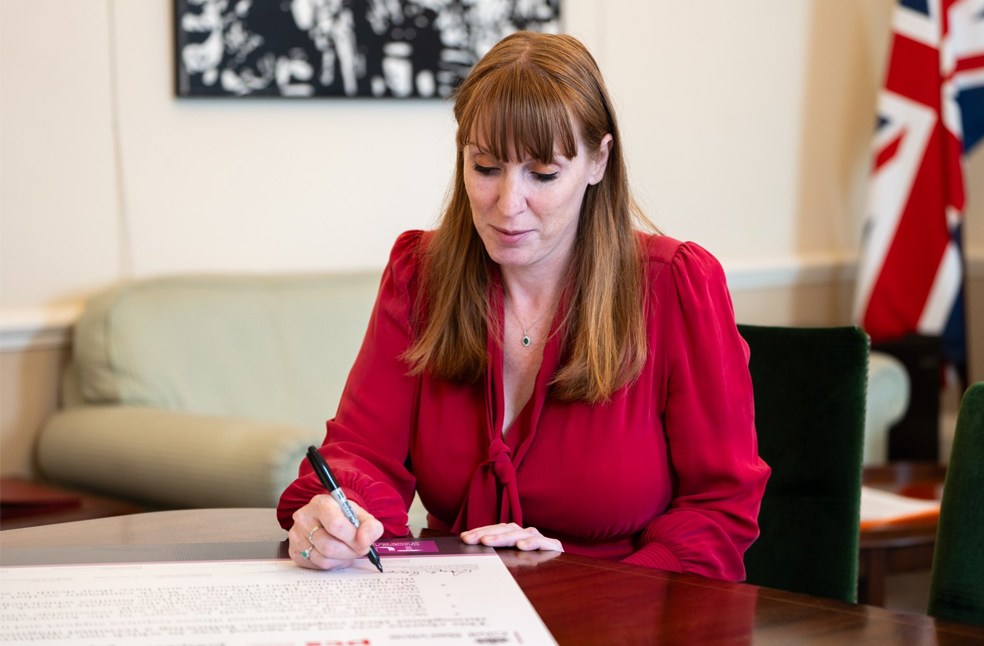
London: Prime Minister Sir Keir Starmer has executed one of his most significant UK cabinet reshuffles to date after the sudden resignation of Deputy Prime Minister and Housing Secretary Angela Rayner, who stepped down when it was found she had breached the ministerial code in relation to her tax affairs.
Rayner’s departure left two senior roles vacant and forced an early reshuffle, weeks ahead of schedule. Sir Keir said that he accepted her resignation with regret, but her exit set off a chain of major ministerial changes.
Among the most striking moves, David Lammy was removed from his position as Foreign Secretary and reassigned as Justice Secretary, while also being appointed Deputy Prime Minister. The shift was seen as both a demotion from one of the great offices of state and a promotion due to his new deputy role.
The Rt Hon David Lammy MP @DavidLammy has been appointed as Lord Chancellor and Secretary of State for Justice @MoJGovUK.
He will also be Deputy Prime Minister. pic.twitter.com/0wsoPtckUf
— UK Prime Minister (@10DowningStreet) September 5, 2025
Lammy, smiling as he arrived in Downing Street, benefited from Rayner’s departure despite being moved from foreign affairs, where he had built a visible rapport with US Vice President JD Vance.
Reshuffle created ‘super ministry’
Yvette Cooper, previously serving as Home Secretary, was given the Foreign Office brief despite limited foreign affairs experience, apart from a short stint as Shadow Foreign Secretary in 2010.
Cooper’s move enabled a historic promotion for Justice Secretary Shabana Mahmood, who stepped into the role of Home Secretary. Together with Chancellor Rachel Reeves, this marked the first time in British history that all three of the UK’s great offices of state, after the Prime Minister, were held by women.
The reshuffle also created a new ‘super ministry,’ merging the skills remit of the Department for Education with the Department for Work and Pensions. Pat McFadden, formerly Chancellor of the Duchy of Lancaster, now leads this expanded department as Work and Pensions Secretary. As a result, Education Secretary Bridget Phillipson retains her role but with reduced responsibilities.

Liz Kendall, who had held the Work and Pensions brief, was reassigned to become Secretary of State for Science, Innovation and Technology, succeeding Peter Kyle. Kyle, in turn, was promoted to head the Department for Business and Trade. His elevation displaced Jonathan Reynolds, the former Business Secretary, who was moved to Chief Whip, a shift widely viewed as a demotion.
Other significant changes in the UK Cabinet included Darren Jones, who had just been appointed Chief Secretary to the Prime Minister earlier in the week, also being handed McFadden’s former role as Chancellor of the Duchy of Lancaster.
Steve Reed took over as Housing Secretary, succeeding Angela Rayner, leaving behind his former post at the Department for Environment, Food and Rural Affairs (DEFRA). Emma Reynolds was promoted from Treasury Minister to fill Reed’s old DEFRA role.
Douglas Alexander was named Scotland Secretary, replacing Ian Murray, while Sir Alan Campbell was appointed Leader of the House of Commons, succeeding Lucy Powell. Both Murray and Powell were sacked, joining Rayner in exiting the government.
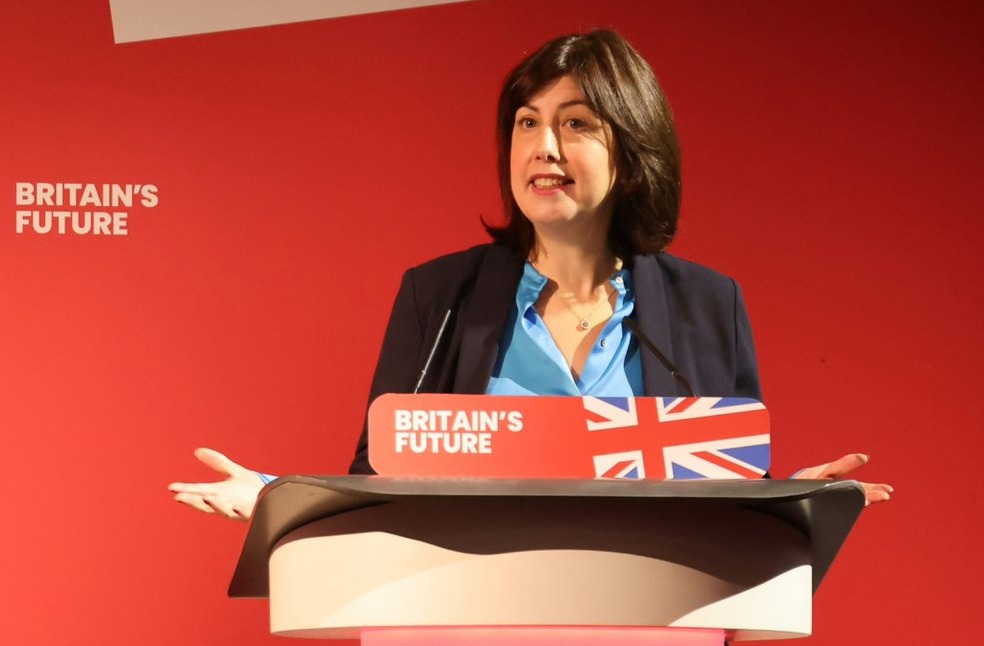
Reacting to her dismissal, Lucy Powell described her time in government as ‘an honour’ but expressed concern about the ‘uncertain future of democracy,’ citing rising abuse, misrepresentation, and oversimplified solutions in politics.
Ian Murray echoed those concerns, warning that the UK is at a ‘dangerous crossroads’ and urging politicians to unite communities rather than deepen division. Both pledged to support Starmer’s government from the backbenches.
Downing Street emphasised that while the UK Cabinet reshuffle was brought forward unexpectedly due to Rayner’s resignation, it was nonetheless carefully planned.
The changes reshaped the cabinet at the highest levels, placing women in unprecedented leadership roles and reorganising key departments to prepare for upcoming political and economic challenges.
ALSO READ | Experts warn UK cattle TB strategy could fail without action
