


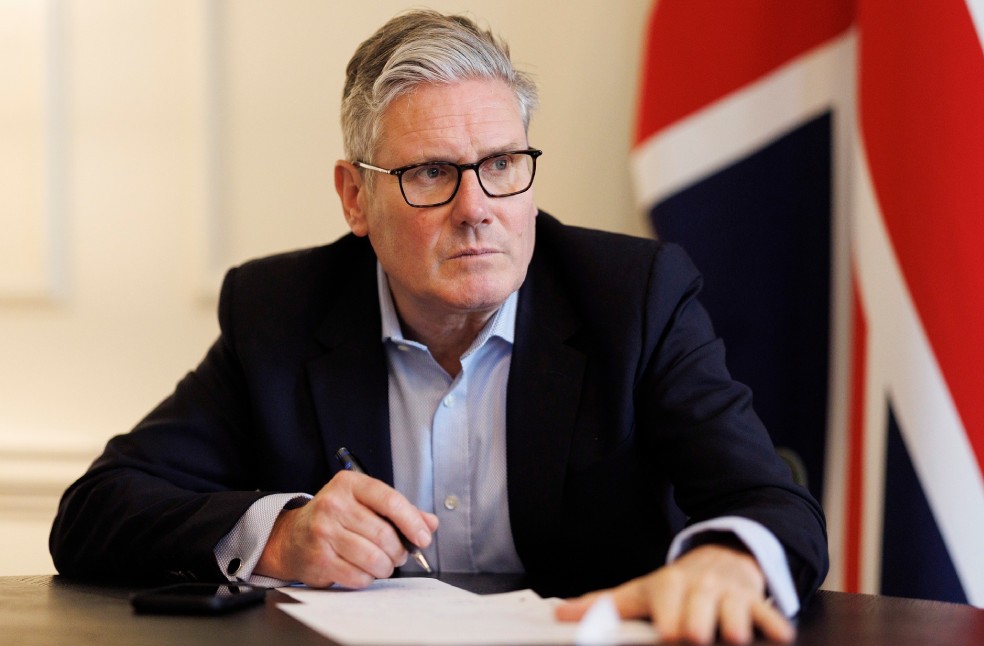
London: The United Kingdom recognition of Palestinian state has represented a significant shift in its foreign policy, with Prime Minister Sir Keir Starmer expected to outline the move at the UN General Assembly.
Starmer had earlier warned that the UK would alter its position if Israel failed to agree to a ceasefire in Gaza and commit to a peace process aimed at a two-state solution.
Israeli Prime Minister Benjamin Netanyahu has rejected the announcement, saying recognition of a Palestinian state rewards terror. Families of hostages taken during Hamas’s October 7, 2023 attack, in which 1,200 people were killed and 251 kidnapped, have also criticised the decision, claiming it complicates efforts to secure the release of the 48 hostages believed to remain in Gaza.
The war, now approaching its second year, has left much of Gaza destroyed and displaced hundreds of thousands. According to the Hamas-run health ministry, at least 65,208 people have been killed. Starmer has described images of starvation and violence in Gaza as intolerable. The latest Israeli ground operation in Gaza City has been described by a UN official as cataclysmic.
A UN commission of inquiry this week accused Israel of committing genocide in Gaza, a finding rejected by Israel as distorted and false. Ministers have also pointed to the expansion of Israeli settlements in the West Bank, including the controversial E1 project, as undermining the viability of a future Palestinian state.
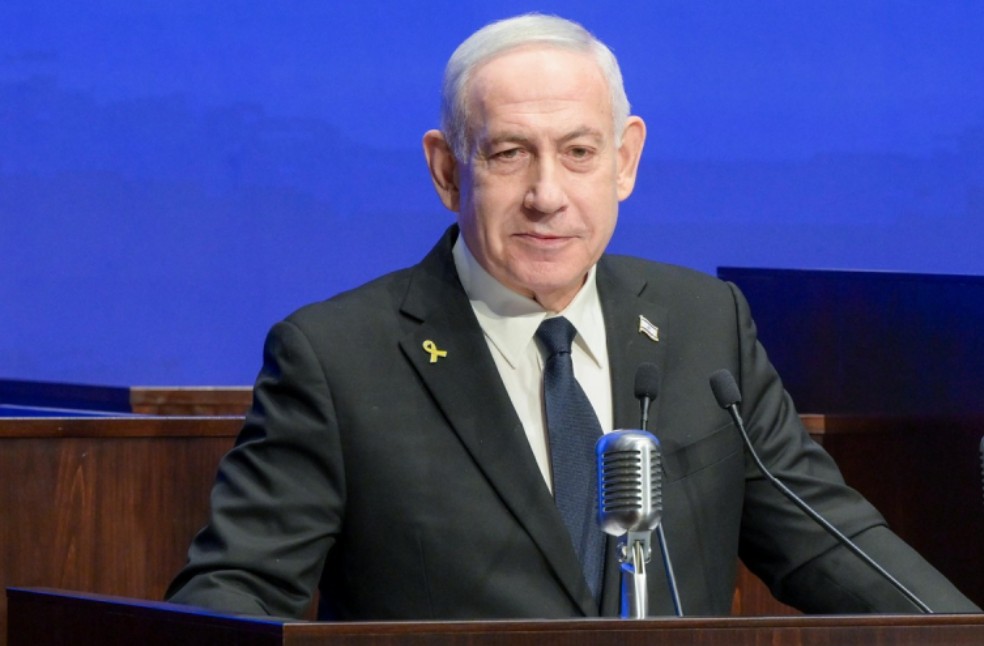
Palestinian Authority President Mahmoud Abbas has welcomed the UK’s decision, after discussions with Starmer earlier this month in which both agreed that Hamas should play no role in the governance of Palestine.
The Labour government argues that recognition is a moral responsibility and that Palestinian statehood cannot be conditional on Hamas.
However, Conservative leader Kemi Badenoch has written that recognition without the release of hostages risks rewarding terrorism. Britain’s Chief Rabbi, Sir Ephraim Mirvis, has also urged the government to pause, criticising the move for not being contingent on democratic governance or peaceful commitments from Palestinians.
Internationally, Spain, Ireland and Norway recognised a Palestinian state last year, while Portugal, France, Canada and Australia have expressed plans to follow suit. Currently, around 75 percent of UN member states recognise Palestine, though it lacks internationally agreed borders, a capital or an army, making recognition largely symbolic.
Government sources said ministers would set out further steps on sanctioning Hamas in the coming weeks. Despite opposition from Washington, with President Donald Trump voicing disagreement during his UK visit, Starmer has insisted the time has come to act as the two-state solution is under threat.
POPULAR | Telecom outage disrupts Dallas airports; Delays 1,800 flights
