


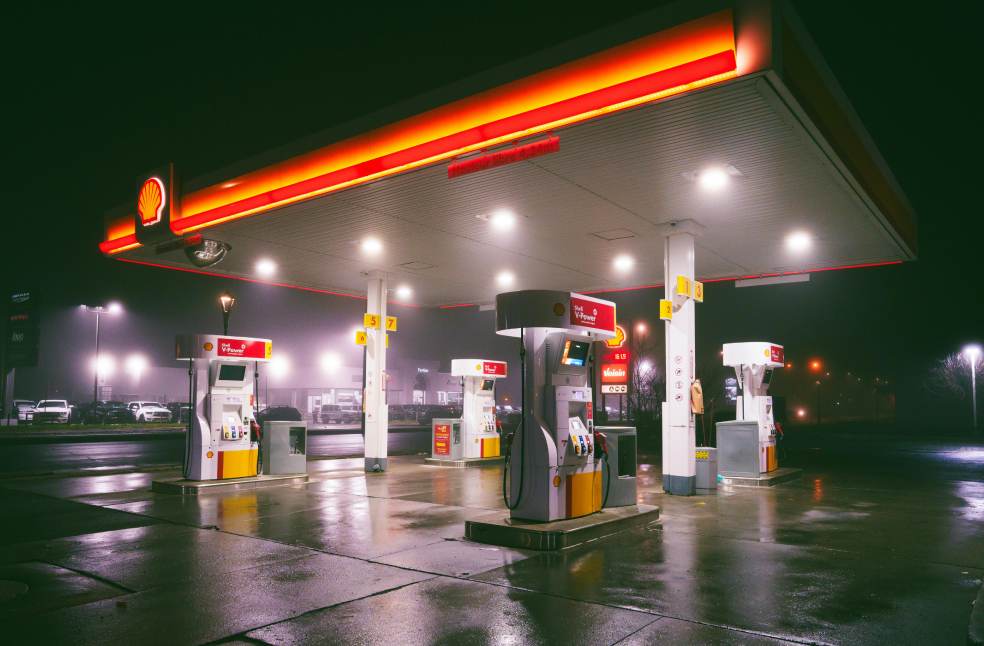
Colombo: Sri Lanka has announced that every Wednesday will be observed as a public holiday as the country moves to conserve fuel with rising concerns over shortages triggered by the ongoing conflict involving the United States, Israel and Iran.
President Anura Kumara Dissanayake stated that the government must remain cautious as global supply chain disruptions intensify. Anura Kumara Dissanayake remarked that, “We must prepare for the worst, but hope for the best.”
The crisis has been exacerbated by disruptions in the Strait of Hormuz, a vital global energy corridor that carries millions of barrels of oil daily. Nearly 90 percent of oil and gas transported through the strait last year was destined for Asian markets, making the region particularly vulnerable.
Asia adopts austerity measures to curb fuel use
Countries across Asia are rolling out energy-saving strategies as oil prices surge to around $100 per barrel. In Thailand, authorities are encouraging lighter clothing in workplaces to reduce air-conditioning use. Meanwhile, Myanmar has introduced a vehicle rationing system allowing private cars to operate on alternate days based on licence plate numbers.
Bangladesh has adjusted academic calendars, advancing Ramadan holidays and implementing scheduled power cuts nationwide to manage electricity demand. In the Philippines, government employees are required to work from home at least once a week, while President Ferdinand Marcos Jr has imposed a ban on non-essential official travel.
Authorities in Vietnam are urging citizens to minimise travel, promote carpooling, use public transport and even cycle more frequently to conserve fuel.
Sri Lanka tightens fuel rationing and work schedules
Sri Lanka’s new four-day workweek will extend to schools and universities, though essential services such as healthcare and immigration will continue to operate without disruption. Officials clarified that Wednesday was selected instead of Friday to avoid a three-day closure of public offices.
Additionally, motorists must now register for the National Fuel Pass system, which limits fuel purchases. Current quotas allow 15 litres for private cars and five litres for motorcycles, a move that has drawn criticism from sections of the public.
The rationing system revives measures first introduced during the 2022 economic crisis, when Sri Lanka faced severe foreign exchange shortages and struggled to import essential goods, including fuel.
With global energy markets under pressure and supply chains strained, Sri Lanka and several Asian economies are bracing for prolonged uncertainty in fuel availability.
MOST READ | Fire in Odisha hospital trauma centre kills 10 patients
