



Seoul: South Korea has repatriated six North Korean nationals who accidentally drifted into its waters earlier this year, in a move seen as a cautious step towards inter-Korean engagement.
The Ministry of Unification confirmed that all six individuals had consistently expressed their wish to return to the North. Two of the North Koreans had entered South Korean waters in March and remained for four months, the longest recorded stay by non-defectors. The remaining four, all sailors, were found in May after reportedly crossing the disputed maritime boundary in the Yellow Sea.
This is the first such return under President Lee Jae-myung, who assumed office in June with a commitment to rekindling ties with Pyongyang. Attempts to coordinate the return through official channels had stalled for months due to the severance of inter-Korean communication lines in April 2023.
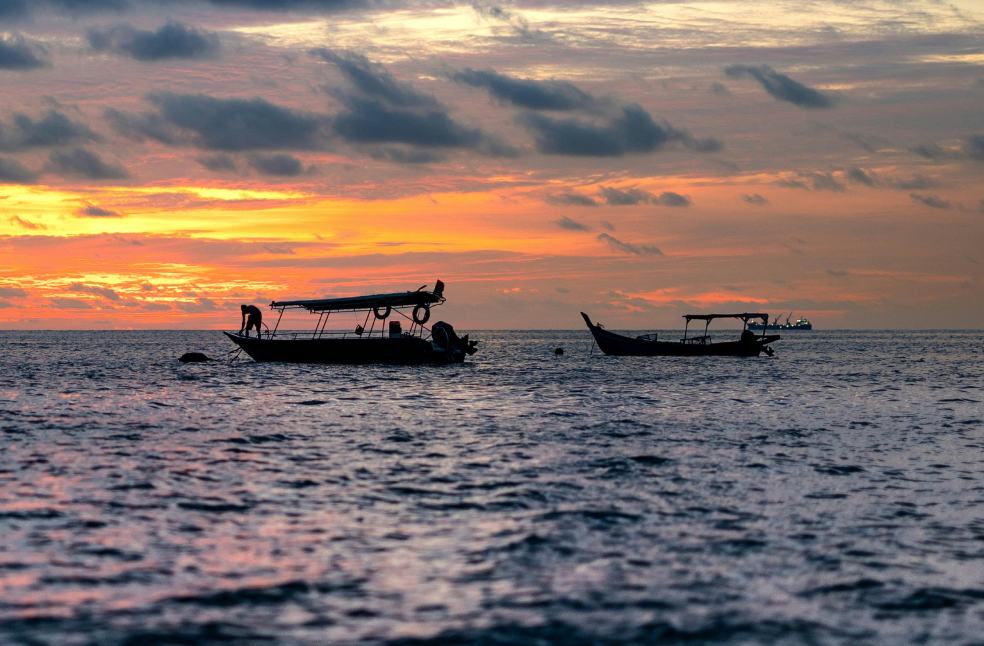
Although North Korea did not formally respond to Seoul’s notifications, which were relayed twice, fishing boats were spotted at the designated handover point. The sighting has led some experts to believe that informal or backdoor coordination may have taken place between the two Koreas.
Nam Sung-wook, former head of the Korea National Strategy Institute noted that, “If you set a boat adrift in the vast ocean without any coordination, there’s a real risk it could drift away again.” Nam and other analysts warn that the six returnees are likely to face intense interrogation upon arrival in the North, with authorities expected to probe whether they engaged in espionage or were exposed to sensitive information during their time in the South.
The move has drawn criticism from North Korean defector groups in the South. Activist Lee Min-bok, known for launching balloon campaigns carrying anti-Kim leaflets into the North, expressed disappointment that the returnees were not allowed to interact with defectors or learn about South Korean society.
Lee stated that, “I would have told them the truth about inter-Korean history and warned them of potential punishment from the North just for experiencing life here.”
His group has mostly paused activities, citing anticipated restrictions under the current administration. The National Assembly is now reviewing a bill that could ban leaflet balloon launches entirely, a controversial issue that reflects the government’s shift toward diplomacy over confrontation.
President Lee’s administration has taken early steps to ease tensions, including halting border loudspeaker broadcasts aimed at the North. While these efforts are framed as confidence-building measures, analysts remain sceptical about the prospects for meaningful progress.
Celeste Arrington, director of the Institute for Korean Studies at George Washington University remarked that, “North Korea has built up strong ties with Russia and now has little incentive to engage with the South.”
Celeste Arrington also pointed to growing public disinterest in North-South dialogue within South Korea, further complicating any diplomatic outreach. Michael Madden of the Stimson Centre added that the timing of the North Koreans’ arrival during a leadership transition in Seoul following the impeachment of President Yoon Suk Yeol may have caused further delays and distrust on both sides.
With official communication channels still frozen and Pyongyang declaring last December that reunification is no longer an option, many observers believe a breakthrough in relations remains unlikely in the near term.
TOP PICKS | US airports end shoe removal rule at TSA checkpoints
