


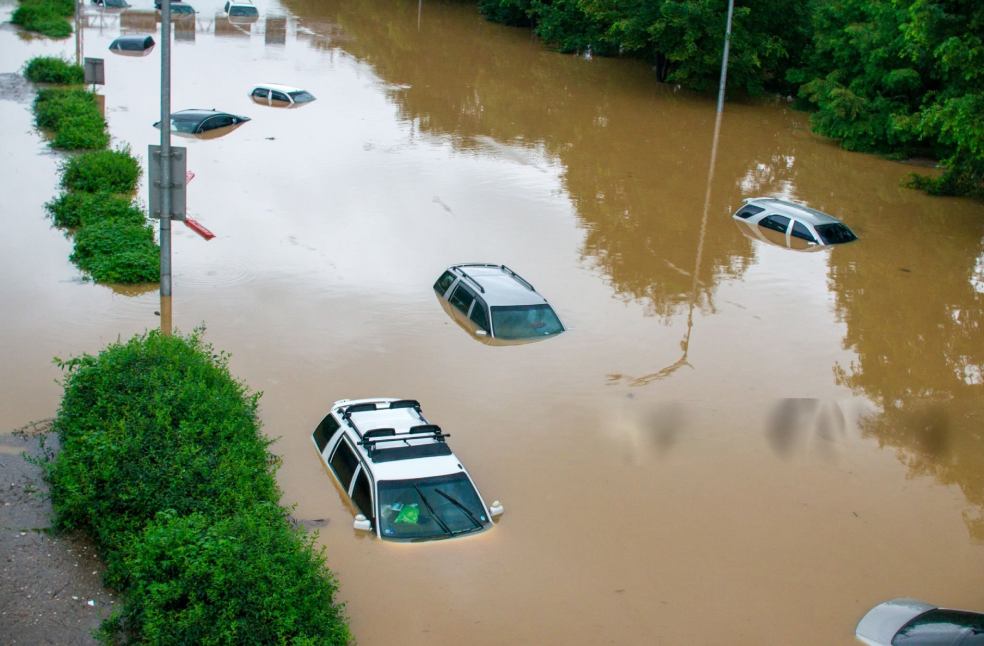
Seoul: South Korea rains have triggered deadly floods and landslides that have claimed at least 14 lives and left several people missing.
Disaster officials have confirmed that close to 170 millimeters of rain fell in Gapyeong county, located about 70 kilometers east of Seoul, causing landslides that buried homes and floods that swept away cars.
Most fatalities have been reported in the southern county of Sancheong, which has seen nearly 800 millimeters of rain. The powerful monsoon rains have also affected northern regions, including parts of Gyeonggi province, where emergency teams are working to locate those still missing.
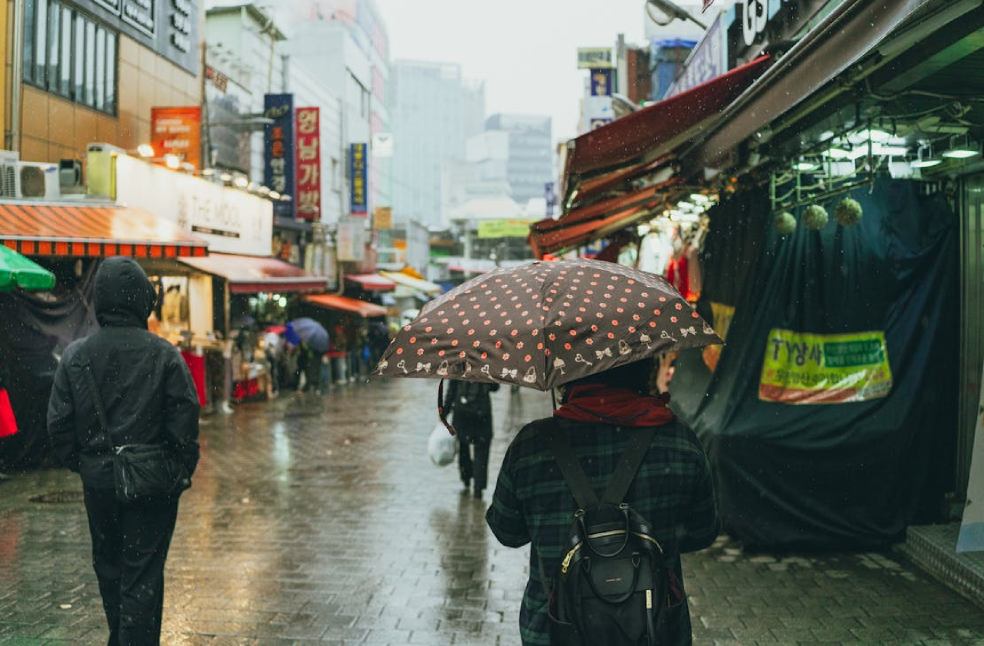
The downpours started midweek and have hit South Korea’s central and southern regions hardest, disrupting daily life and posing new risks of landslides and infrastructure damage. 8 people remain missing across various areas, with local authorities warning that the risk of additional landslides remains high as saturated soil could give way.
South Korea typically faces monsoon rains each July but this year’s downpours have delivered some of the heaviest hourly rainfall on record, local meteorologists said. The Korea Meteorological Administration forecasts that the current rainfall will ease, but officials have warned that a severe heatwave may follow, putting further strain on affected communities.
Extreme weather events have become more frequent and severe in many parts of the world, and scientists have linked this trend to the effects of climate change. South Korea experienced record-breaking floods in 2022, which killed at least 11 people and damaged thousands of homes.
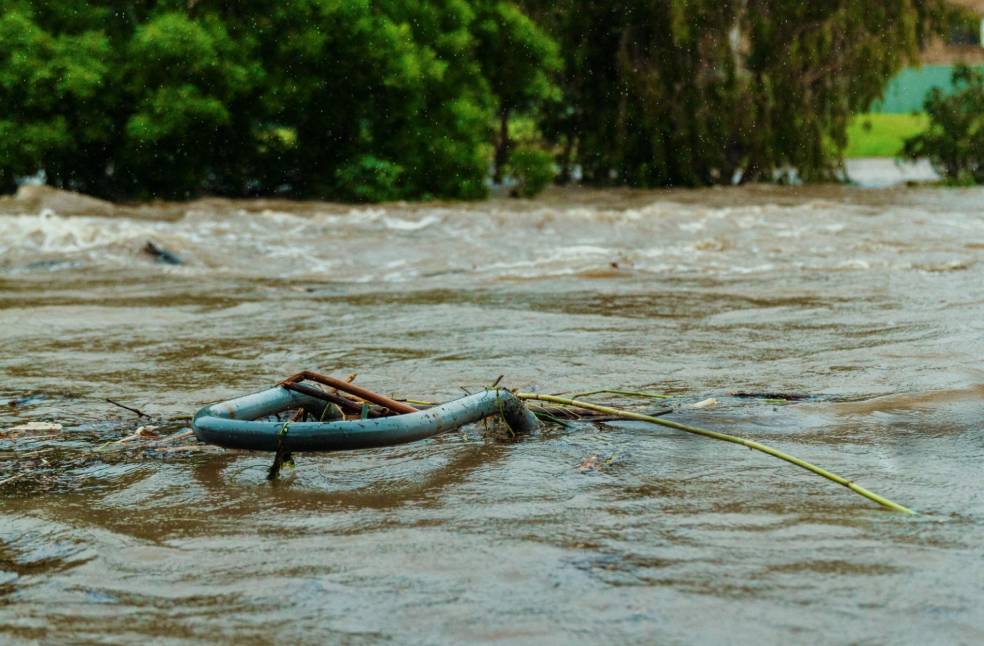
Local authorities have urged residents in affected areas to stay alert and avoid travel near rivers and steep slopes as search and rescue operations continue.
Emergency shelters have been opened to house people forced to evacuate due to rising waters or structural damage.
As South Korea rains persist, disaster management teams remain on high alert to prevent further casualties and support recovery efforts in communities hit hardest by the flooding.
RELATED POST | Heavy rains leave 4 dead and mass evacuations in South Korea
