


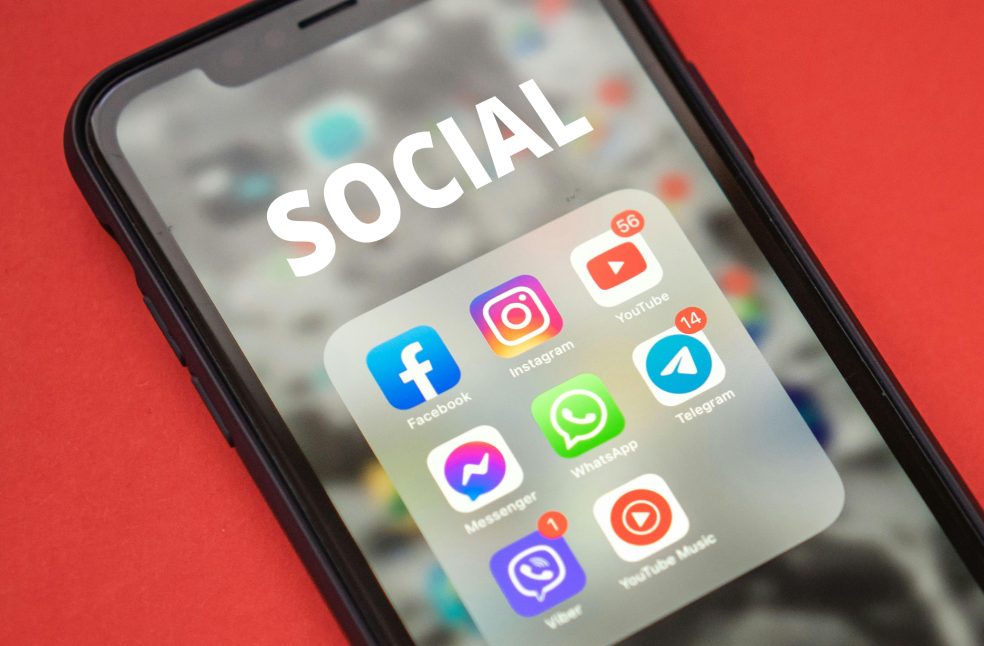
Los Angeles: A landmark courtroom battle in Los Angeles has placed Social media companies at the centre of a major legal test over alleged harm to young users.
Technology firms behind platforms including Instagram, Facebook, YouTube, TikTok and Snapchat have faced a series of lawsuits claiming that product design features have encouraged excessive use and negatively affected mental health. The case has brought together about 22 test lawsuits known as bellwether cases.
These have drawn on testimony from more than 1,500 individuals as lawyers seek to determine whether the companies acted negligently when designing and refining their platforms. For the first time, Social media firms have faced a jury trial over whether features were intentionally designed to increase user engagement and time spent online.
Jurors have not been asked to decide whether specific posts or content caused harm. Instead, the trial has focused on whether design elements such as infinite scrolling and algorithm-driven feeds have encouraged compulsive use. Plaintiffs have argued that these features have influenced how young users think, feel and behave, potentially leading to anxiety, depression and body image issues.
The initial case has centred on a Californian teenager identified as KGM, who has said that heavy use of several platforms during childhood contributed to mental health struggles. TikTok and Snapchat have settled claims related to this case, while Meta and YouTube have remained in the trial. The outcome could influence future litigation and compensation claims if negligence is established.
Social media companies have defended their platforms by pointing to legal protections under Section 230 of the Communications Act, which shields companies from liability for user-generated content. They have also argued that there is no clear scientific link between platform use and addiction and that multiple factors contribute to youth mental health challenges.
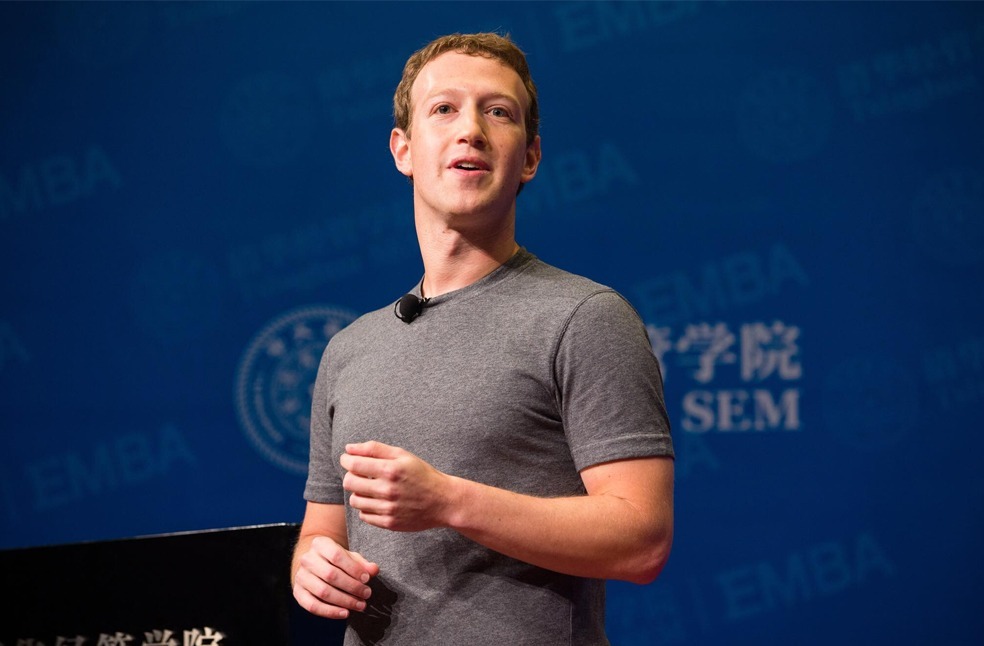
Executives including Meta chief executive Mark Zuckerberg and Instagram head Adam Mosseri have been expected to testify. The trial has been closely watched because it could shape future regulations and design changes across Social media platforms if jurors determine that companies acted negligently.
Observers have noted that the proceedings could mark a turning point in how digital platforms are regulated and held accountable for design choices. The outcome may influence how Social media companies operate and how courts address claims of technology-related harm in the future.
TRENDING | Suryakumar Yadav lifts India to victory over USA
