



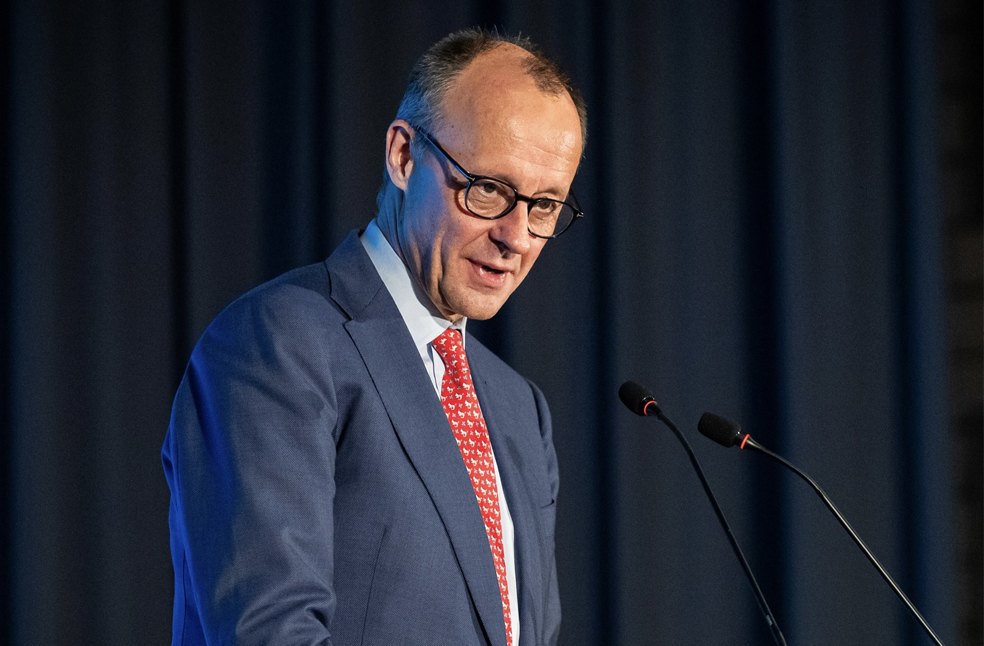
Berlin: Germany’s Christian Democratic Union (CDU), led by Chancellor Friedrich Merz, is weighing plans to restrict access to social media platforms for children under the age of 16, senior party figures have said, as momentum builds globally for tighter regulation of young people’s online activity.
The debate follows Australia’s move last year to become the first country to ban children from using social media platforms. Since then, several European countries have begun considering or introducing similar measures, citing concerns over the harmful impact of social media on young users.
Dennis Radtke, head of the CDU’s influential labour wing, said rapid changes in the digital space were outpacing efforts to improve media literacy. Radtke warned that many social media platforms had become hubs for hate speech and misinformation, adding that he supported adopting Australia’s approach by introducing a minimum age limit. Radtke made the remarks in comments to Reuters.
The CDU’s regional branch in the northern state of Schleswig-Holstein has submitted a motion calling for a statutory minimum age for social media use. The proposal is expected to be debated at the party’s national conference scheduled for February 20–21. The CDU is currently the largest party in Germany’s coalition government, which also includes the centre-left Social Democratic Party (SPD).
The motion reportedly proposes a legal minimum age of 16 for open social media platforms, alongside mandatory age-verification measures. The proposal specifically names platforms such as TikTok, as well as Meta-owned Instagram and Facebook, though it does not clarify whether restrictions would apply to all social networks.
CDU Secretary General Carsten Linnemann voiced his support for strict age limits, telling Bild he favours allowing social media use only from the age of 16. Linnemann stated that children have a right to a protected childhood and must be shielded from hate, violence, crime, and manipulative disinformation online, noting that young users are often exposed to content they are not equipped to understand or process.
The discussion comes during growing concern in Germany about the impact of social media on children and teenagers. Last year, the government appointed a special commission to examine ways to better protect young people from online harm. The commission is expected to publish its findings later this year.
Thorsten Schmiege, head of the body representing state-level media regulators, said that issues such as cyberbullying, online sexual harassment, and hate speech are being treated with increasing seriousness. He said social media companies must take greater responsibility, adding that if voluntary measures fail, a ban could be considered as a last resort.
MOST READ | Autism in girls often missed until adolescence; Study shows
