


Sydney: Snap has announced that it will begin offering Australian users the option to verify their age using software operated by the country’s banking sector. The move comes as it prepares to comply with Australia’s new social media ban for children under 16, which takes effect next month.
Australia introduced the world’s first nationwide ban on social media access for minors under 16 last year, marking one of the strictest global moves aimed at regulating Big Tech platforms.
The US-based company, which operates Snapchat, said that it will start contacting users this week with age-verification options. Users will be able to confirm they are 16 or older through ConnectID, a tool that links to their bank accounts and is owned by major Australian banks.
Snap will also offer a second verification method through Singapore-based k-ID, an age-assurance provider whose technology can estimate a user’s age via a selfie or through the upload of government-issued identification.
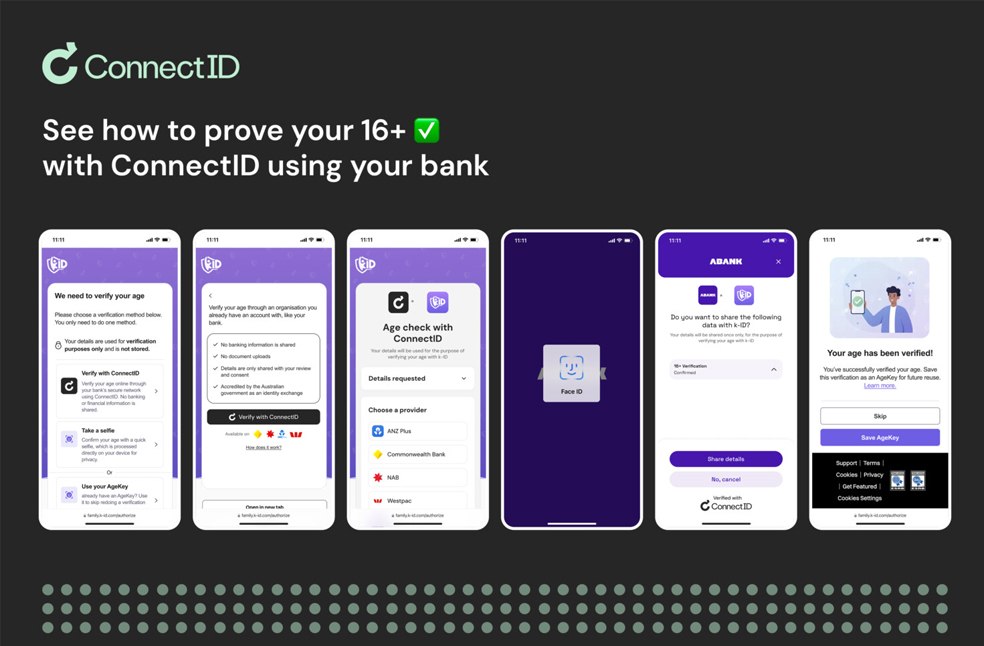
The ConnectID option, being in the testing phase, is notable as it marks the first time a user’s financial identity infrastructure is being tied into the rollout of Australia’s landmark social media restriction. Snapchat has approximately 440,000 Australian users aged 13 to 15, making it the platform most affected by the new rule.
In a statement on its website, Snap stated that the Australian government rejected its argument that Snapchat functions primarily as a messaging tool rather than a social media platform. Although the company continues to disagree with the decision, it stated that it will comply with the legislation as it does with all local laws in the markets where it operates.
ConnectID clarified that the system will not share sensitive banking information with Snap. Instead, it will send a simple ‘yes/no’ confirmation indicating whether the user is over 16, based on their bank-verified age. “The goal here is to protect young people online without creating new privacy risks,” said ConnectID managing director Andrew Black in a statement.
Tech companies have largely opposed the Australian ban, which threatens noncompliant platforms with fines of up to A$49.5 million ($31.95 million). However, with the December 10 enforcement deadline approaching, most have shifted toward compliance.
ALSO READ | Meta accused of hiding research linking apps to mental harm
