


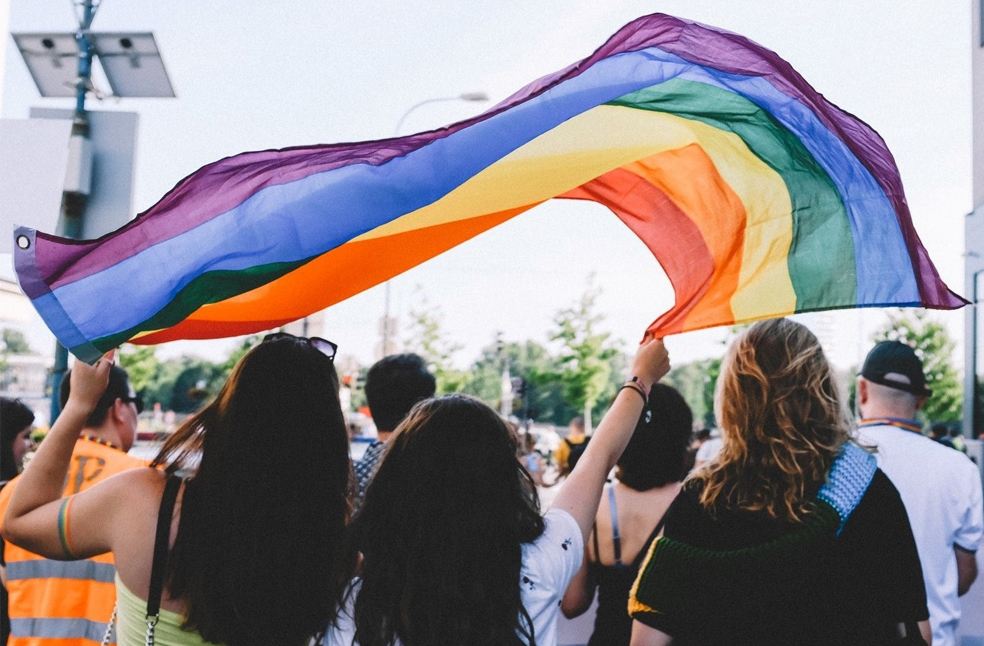
Bratislava, Slovakia: Slovakia’s recent constitutional amendments have sparked outrage from LGBTQ+ advocates, who described the changes as a ‘dark day’ for the country.
The amendments, passed by parliament, legally recognize only male and female sexes and make adoption nearly impossible for same-sex couples, marking a significant rollback of human rights and rule of law in the central European nation.
Since the vote, Iniciatíva Inakosť, Slovakia’s leading LGBTQ+ advocacy organisation, has received over 100 calls and emails from concerned citizens.
Martin Macko, the organisation’s Executive Director, remarked that, “People are frightened, anxious, and feel powerless, as they have become hostages of politicians through this amendment. The amendment explicitly bans legal gender recognition, directly attacking the lives of transgender and intersex people.”
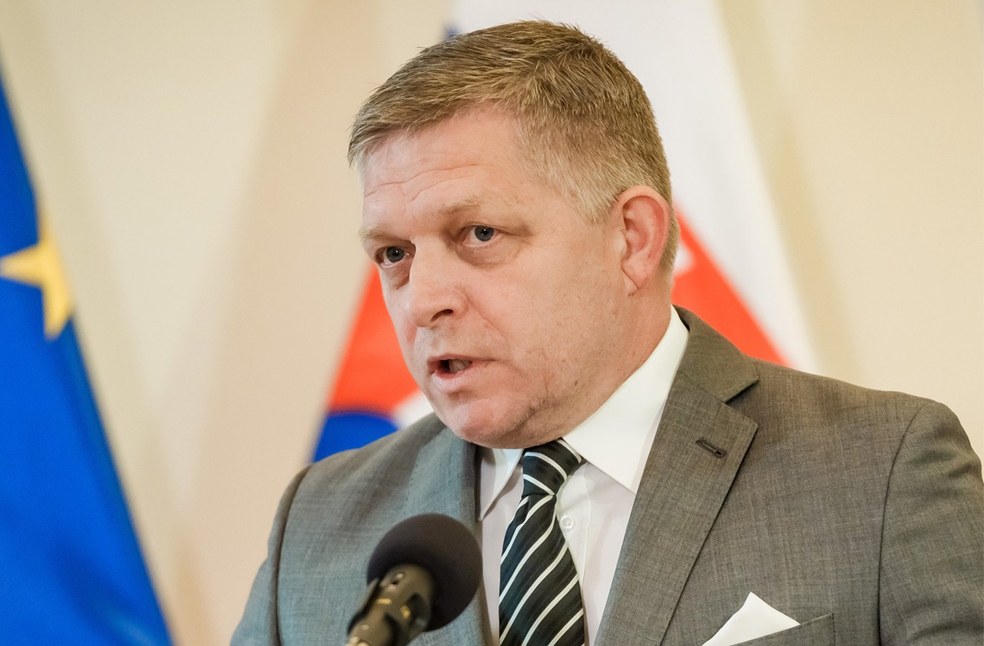
Observers note that Slovakia appears to be following the path of Russia, where same-sex couples are prohibited from adopting and mentions of LGBTQ+ issues are restricted, and Hungary, where the ruling Fidesz party, led by Viktor Orbán, has similarly targeted LGBTQ+ rights.
Macko warned that the amendment threatens Slovakia’s EU membership and draws the country closer to authoritarian Russia, despite growing societal acceptance of LGBTQ+ people.
Since returning to power in 2023, Prime Minister Robert Fico’s populist government has implemented measures targeting LGBTQ+ communities, including eliminating public funding for related projects. Some conservative MPs justified their votes for the amendment as their ‘last chance’ to prevent LGBTQ+ people from achieving equality.
Rado Sloboda, Director of Amnesty International Slovakia, described the constitutional changes as ‘devastating news’ and said they put Slovakia in ‘direct conflict’ with international law. Sloboda added that the amendments form part of a broader attack on human rights and the rule of law in the country.
Human rights lawyer Lucia Berdisová of the Institute of State and Law at the Slovak Academy of Sciences explained that the amendment gives Slovakian law precedence over EU legislation on matters concerning ‘national identity.’
Berdisová said that the vague wording makes it difficult to predict all consequences but signals a clear path to curtail European court influence. The amendment echoes Hungary’s approach of enshrining traditional family structures in law and Russia’s efforts to limit the reach of the European Convention on Human Rights.
The Human rights lawyer also noted that the changes allow authorities to significantly increase their power and tighten control over citizens. Taken together, these constitutional measures strengthen the state at the expense of marginalised groups, particularly LGBTQ+ individuals, and undermine protections for transgender and non-binary people, including access to healthcare and legal gender recognition.
The amendments build on 2023 legislation that blocked legal recognition for trans people, reinforcing a broader pattern of rights rollbacks. Both Macko and Sloboda emphasised that, instead of targeting human rights, Slovak authorities should address gaps in legal protections for all families, marriage equality, and rights for transgender and non-binary individuals.
ALSO READ | Maggie Was Right: The Simpsons Movie sequel is coming
