


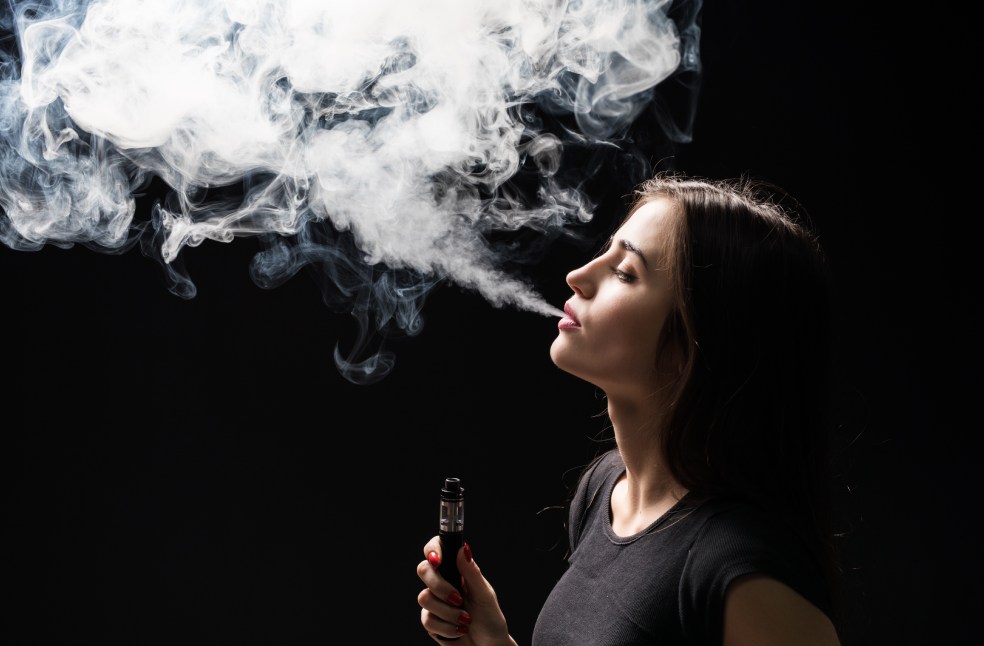
Singapore: Singapore authorities have announced a sweeping crackdown on vaping with tougher penalties, as the city-state battles a surge in drug-laced vapes, particularly those containing the anaesthetic drug etomidate.
Starting from September 1, new rules will impose stiffer fines, longer jail terms, caning, and even deportation for foreigners caught vaping. Singapore, one of the first countries to ban e-cigarettes in 2018, has seen a worrying rise in the popularity of Kpods, vapes laced with etomidate, which has similar effects to ketamine.
A random test of 100 seized vapes in July revealed that one-third contained the drug. Viral videos of young people acting erratically while vaping have further alarmed the public, prompting the government to act.
Health Minister Ong Ye Kung warned that, “vapes have become a gateway for very serious substance abuse,” calling the devices ‘delivery tools’ for drugs.

Tougher penalties under new rules:
- Regular vapers face fines starting from $390 (£288; S$500) and mandatory rehabilitation.
- Those caught with etomidate-laced vapes risk harsher penalties.
- Suppliers of drug-laced vapes could face up to 20 years in jail and 15 strokes of the cane.
- Foreigners face the same penalties, along with possible deportation, loss of work permits, and re-entry bans.
- Tourists will also be affected, with warning signs and vape disposal bins set up at Changi Airport.
Etomidate has been temporarily classified as a Class C controlled drug for six months, giving authorities time to draft permanent legislation.
The crackdown is accompanied by a large-scale public health campaign. Anti-vaping ads now blanket buses, trains, and public spaces, while vape disposal bins have been placed in community clubs and universities. Schools have rolled out education programmes, and roving patrols are conducting spot checks in parks, stations, and transport hubs. Border controls at land crossings and airports have also been tightened.
Singapore’s move comes as other countries tighten vaping rules. The UK banned disposable vapes in June, Belgium earlier this year, and Australia has progressively expanded restrictions since 2023.
TRENDING | France returns looted skulls to Madagascar after 128 years
