


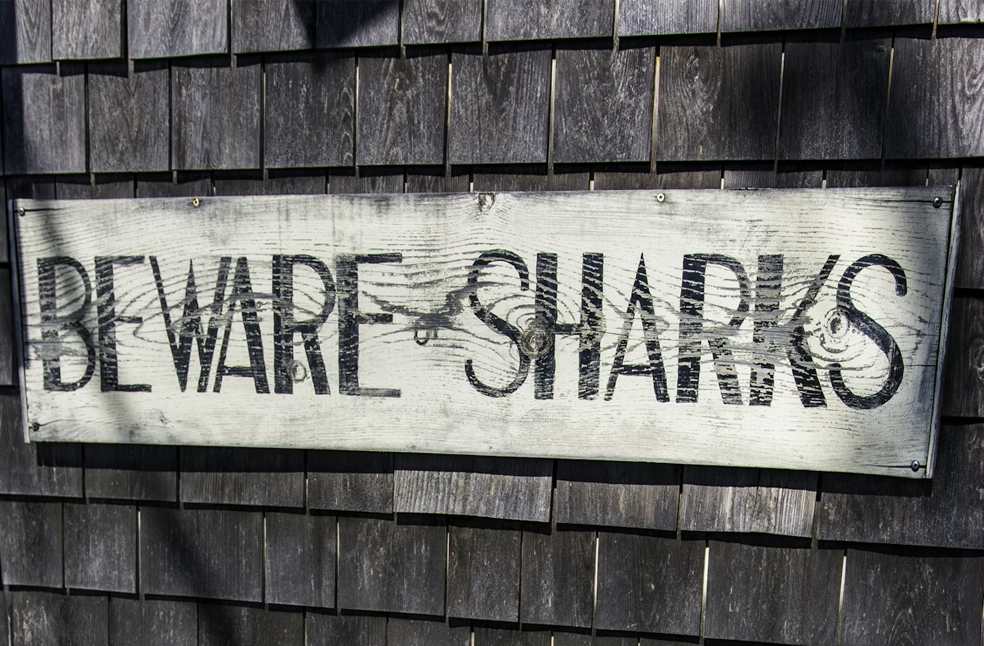
Sydney: Dozens of beaches along Australia’s east coast, including in Sydney, were closed after four shark attacks in two days, as heavy rainfall left coastal waters murky and more attractive to sharks.
Beaches around Port Macquarie, approximately 400 kilometres (250 miles) north of Sydney, were shut after a man was bitten while surfing earlier in the day. Health authorities said the man remains in the hospital in stable condition.
The closures prompted strong warnings from surf safety officials. Steven Pearce, Chief Executive of Surf Life Saving New South Wales (NSW), urged people to avoid swimming in the ocean and instead use local pools. Pearce said that water quality was extremely poor and particularly conducive to bull shark activity, making beach conditions unsafe.
The shutdowns come during the Southern Hemisphere summer, a peak period when beaches across Australia are typically crowded with locals and tourists. On January 29, emergency services were called to a beach in Sydney’s Manly following reports that a surfer in his 20s had been bitten by a shark.
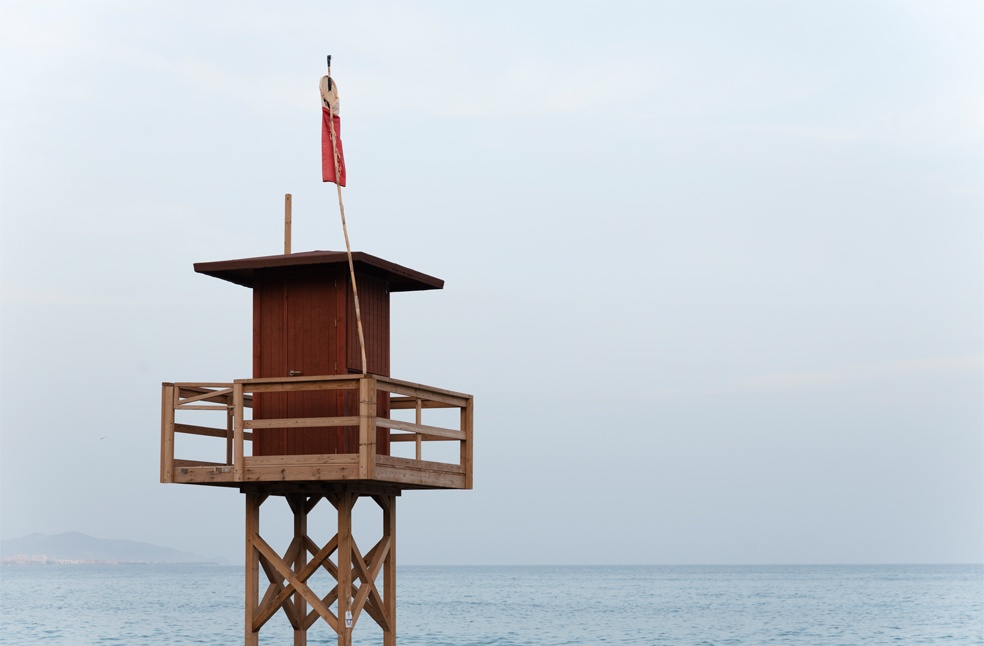
Earlier, a 10-year-old boy escaped unharmed after a shark knocked him off his surfboard and bit a chunk out of it. A day earlier, another boy was left in critical condition after being bitten at a city beach. Police stated that all beaches in Sydney’s Northern Beaches council area, which spans the city’s northern coastline, will remain closed until further notice.
Experts linked the spate of attacks to days of heavy rain, which washed runoff into the harbour and nearby beaches, creating brackish water conditions favoured by bull sharks. Bull sharks are known to thrive in such environments.
Sharks do not usually attack humans, but reduced visibility in turbid water increases the risk of accidental encounters. Chris Pepin-Neff, an academic and shark behaviour expert, wrote in the Sydney Morning Herald that sharks may defensively or curiously bite after colliding with something in low-visibility conditions. He also noted that heavy rain can increase sewage runoff, attracting bait fish and drawing sharks closer to shore.
According to data from conservation groups, Australia records around 20 shark attacks each year, with fewer than three resulting in fatalities. These numbers are far lower than the number of drownings recorded annually on Australian beaches.
MOST READ | At least 21 killed in high-speed train collision in Spain
