



Shanghai: A wave of cold weather sweeping across southern China has brought rare snowfall to Shanghai, creating an unusual winter scene and delighting many residents.
The snowfall marks a striking contrast to the unusually warm temperatures recorded only a week earlier, when Shanghai saw highs of around 20 degrees Celsius and reports of early blooming osmanthus trees. The sudden shift has underlined the scale of temperature fluctuations being felt across the region.
The city, located on China’s eastern coast, last recorded heavy snowfall in January 2018, making the current event notable for both residents and authorities. Shanghai’s weather has remained largely mild in recent winters, so the appearance of snow has been viewed as an uncommon occurrence.
Local residents have described the changing climate patterns as unusual, with many noting that such rapid swings in temperature can feel physically uncomfortable and difficult to adjust to. Shanghai’s cold spell forms part of a wider pattern of extreme weather affecting other provinces. State media has reported that regions including Jiangxi and Guizhou have also experienced sharp drops in temperature.
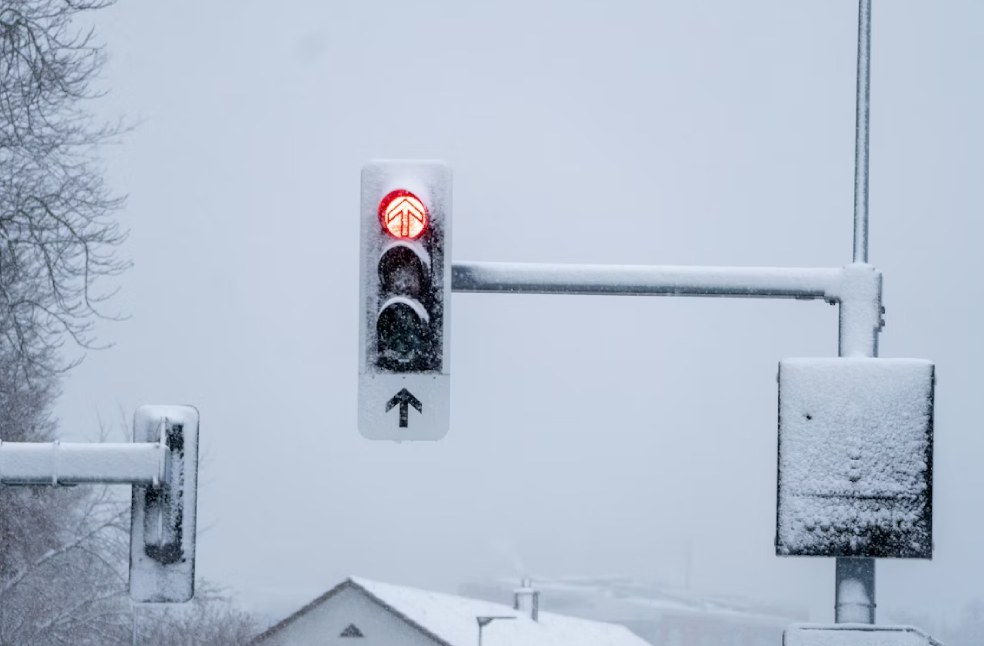
In Guizhou, temperatures are expected to fall by between 10 and 14 degrees Celsius, reflecting the intensity of the cold air mass spreading across southern China. These changes have raised concerns about the impact on vulnerable populations, agriculture, and infrastructure.
Across the country, the severe winter conditions have led to significant disruptions. Authorities have shut down 241 sections of major roads in 12 provinces, including Shanxi, Inner Mongolia and Heilongjiang, due to snowfall and icy surfaces. These closures have been implemented to reduce the risk of accidents and ensure public safety, especially in areas prone to hazardous driving conditions during extreme cold.
The snowfall in Shanghai has brought both fascination and caution. While many residents have welcomed the rare sight of snow in the city, officials have emphasised the importance of preparedness. Cold weather increases risks related to transport, health, and energy supply, and authorities continue to monitor the situation closely as the low temperatures persist.
Shanghai’s experience reflects a broader trend of climate variability that has become more visible in recent years. Rapid temperature shifts, unseasonal weather patterns, and sudden cold snaps are increasingly shaping daily life in major urban centres. The current cold wave has served as a reminder of the importance of early warnings, infrastructure readiness, and public awareness in managing extreme weather conditions.
MOST READ | Japan PM prepares snap election to strengthen political mandate
