


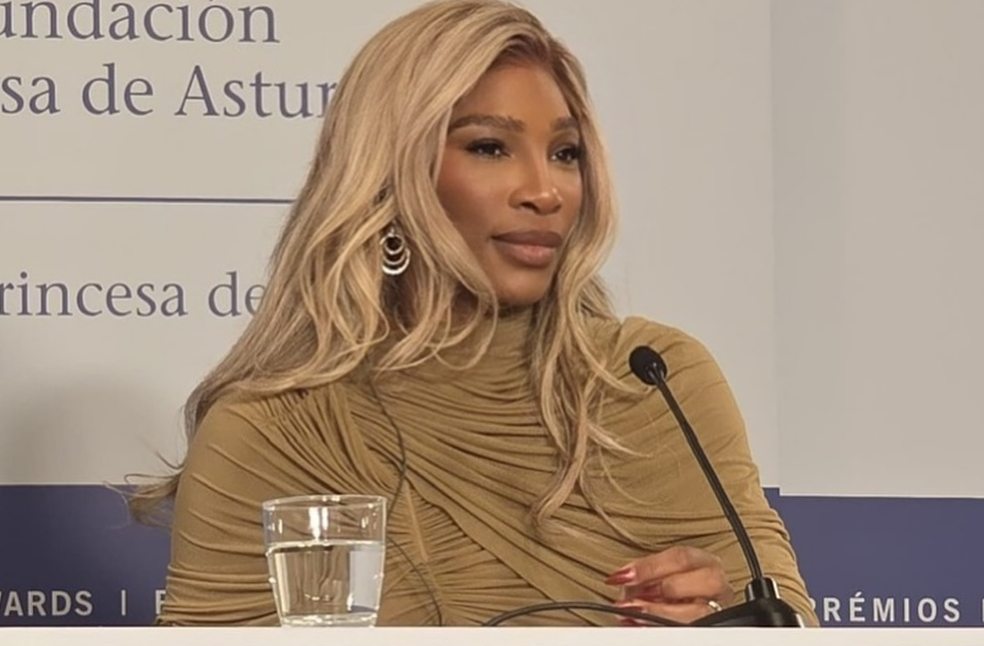
New York: Serena Williams has once again become the focus of comeback speculation after confirming that the necessary administrative steps linked to professional competition have been completed.
The 23-time Grand Slam singles champion retired following the 2022 US Open, bringing an end to one of the most successful careers in tennis history. However, recent developments have suggested that the door may not be fully closed on a return.
In December, the International Tennis Integrity Agency confirmed that Williams had been added back to the registered testing pool. Players in this pool are subject to strict anti-doping protocols, including providing daily whereabouts information to allow out-of-competition testing. This requirement applies particularly to players who are active or who are preparing for a potential return to competition.
At the time, Serena Williams had played down the idea of a comeback, stating that she was not returning. However, during an interview on the Today Show, the American adopted a more open stance. Asked directly whether a return to the court was possible, Williams said that she would ”ee what happens,’ refusing to give a definitive answer. When pressed further, Williams rejected the idea that her comments amounted to a ‘maybe,’ creating further intrigue about her future intentions.
Williams, now 44, is a mother of two and has spoken about adjusting to life away from professional sport. During the interview, Williams revealed that she had recently listed her occupation as ‘stay-at-home mum and housewife’ on a form, reflecting how priorities have shifted since retirement. Even so, the decision not to dismiss a return has been enough to reignite interest among tennis fans and analysts.
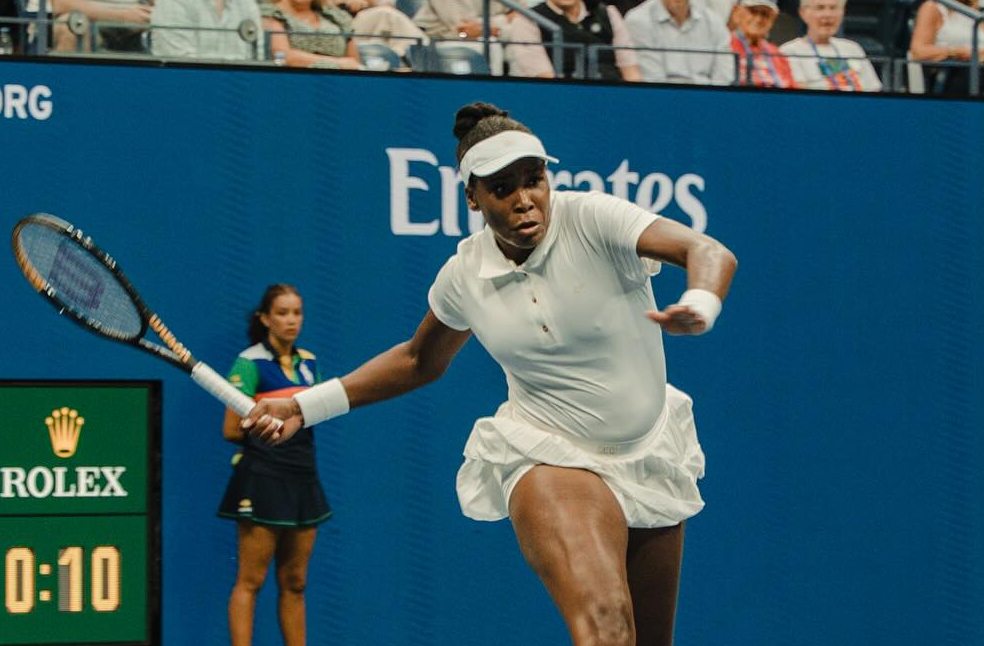
Eligibility rules state that any player wishing to return to professional competition must be registered in the testing pool for a minimum of six months. Williams’ name appeared on a document published by the International Tennis Integrity Agency on October 6, indicating that the formal requirements for eligibility could be met if a decision to return were made.
The testing pool is more demanding than standard out-of-competition testing. Players must submit a one-hour daily window where they can be located for drug testing, without exception. This level of commitment suggests that administrative preparation is not taken lightly, particularly for an athlete of Williams’ profile.
Serena Williams remains one of the most influential figures in tennis history. With 23 Grand Slam singles titles, seven Wimbledon championships and four Olympic gold medals, Williams has reshaped the women’s game and raised standards of athleticism, power and competitiveness. Any return, even for a limited schedule, would carry enormous attention.
The American’s cautious language has been interpreted as deliberate. While no firm commitment has been made, Williams has not dismissed the idea outright, keeping speculation alive. Observers have noted that even a symbolic return could have a significant impact on the sport.
For now, Serena Williams has balanced public curiosity with personal discretion. The presence in the testing pool, combined with carefully chosen words, has ensured that the possibility of a comeback remains one of the most talked-about stories in modern tennis.
POPULAR | Two-year-old sets Guinness World Records with snooker shots
