


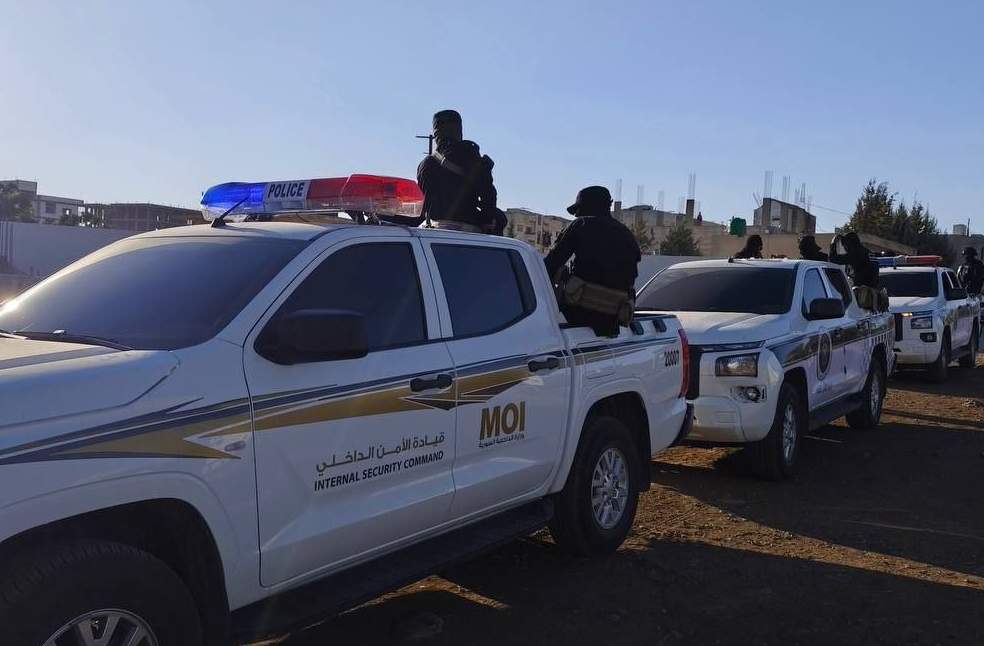
Amman: Sectarian clashes in Syria have erupted in the predominantly Druze city of Sweida, killing more than 30 people and injuring over 100, according to the Syrian interior ministry.
The Sectarian clashes broke out after a spate of kidnappings, including the abduction of a Druze merchant on the main highway connecting Damascus to Sweida.
This marks the first time sectarian violence has reached the city center of Sweida, the provincial capital of the Druze-majority region. Previous clashes in April saw similar tensions between Sunni fighters and Druze residents in Jaramana, southeast of Damascus, which later spread to nearby areas.
Rayan Marouf, a Druze researcher who runs the Suwayda24 website, stated that the escalation could spiral into a larger crisis if not contained.
بيان حول الأحداث المؤسفة في محافظة السويداء#الجمهورية_العربية_السورية #وزارة_الداخلية pic.twitter.com/l3xlNZ1nGY
— وزارة الداخلية السورية (@syrianmoi) July 14, 2025
Marouf explained that the clashes involved Bedouin tribal fighters and armed Druze militias fighting in Maqwas neighborhood, a Bedouin-inhabited district that was surrounded and seized by Druze groups.
The Syrian interior ministry said that security forces will directly intervene in Sweida to restore order and urged local communities to cooperate. Residents reported that Bedouin fighters attacked Druze villages on the western and northern outskirts of the city, intensifying the violence.
A medical source confirmed that at least 15 bodies have been taken to the Sweida state hospital morgue, with dozens more wounded transferred to Deraa for urgent care. This latest wave of sectarian bloodshed comes amid heightened fears among Syria’s minority communities since rebel groups toppled President Bashar al-Assad last December.
Tensions have remained high since the killing of hundreds of Alawites in March, seen as retaliation for an earlier loyalist attack. The Sectarian clashes in Sweida have become one of the deadliest flare-ups in Syria since the civil war ended last year, underlining the fragile security situation that persists despite the change in power.
ALSO READ | Kim Jong Un pledges unconditional support for Russia’s war in Ukraine
