


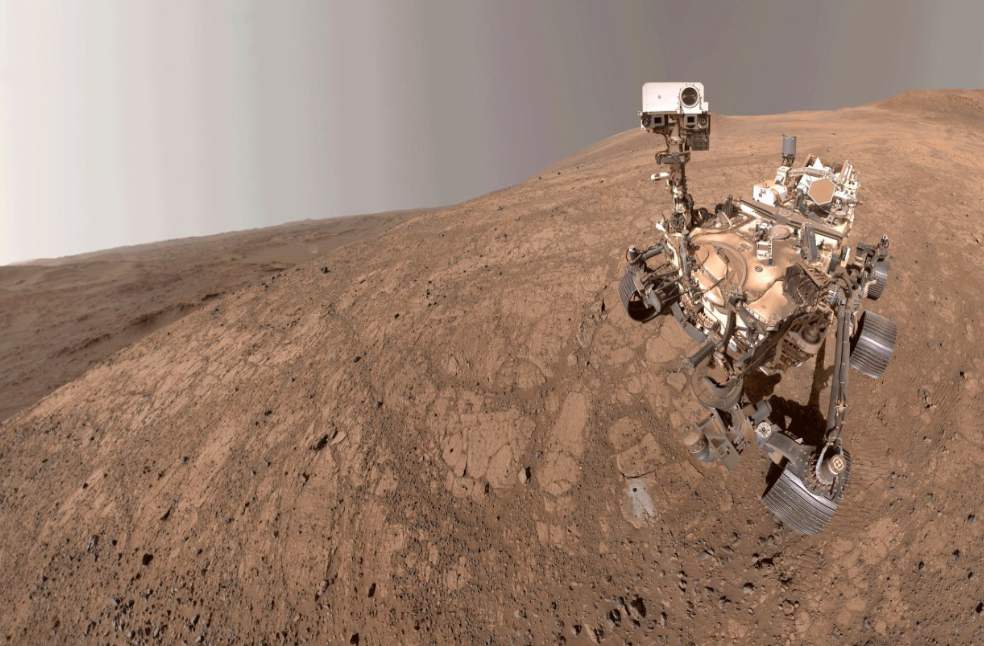
Washington: The Mars atmosphere has shown signs of electrical activity for the first time, according to scientists analysing data from Nasa’s Perseverance rover.
The recordings have suggested that the planet is capable of producing lightning-like discharges, a discovery that researchers say could reshape understanding of Martian atmospheric processes.
The rover, which landed in 2021, has spent four years exploring the Jezero Crater region while searching for signs of ancient biology. Using its SuperCam instrument, Perseverance has captured audio and electromagnetic signals that researchers have described as ‘mini lightning’.
A French research team has analysed 28 hours of microphone recordings gathered over two Martian years, equivalent to 1,374 Earth days.
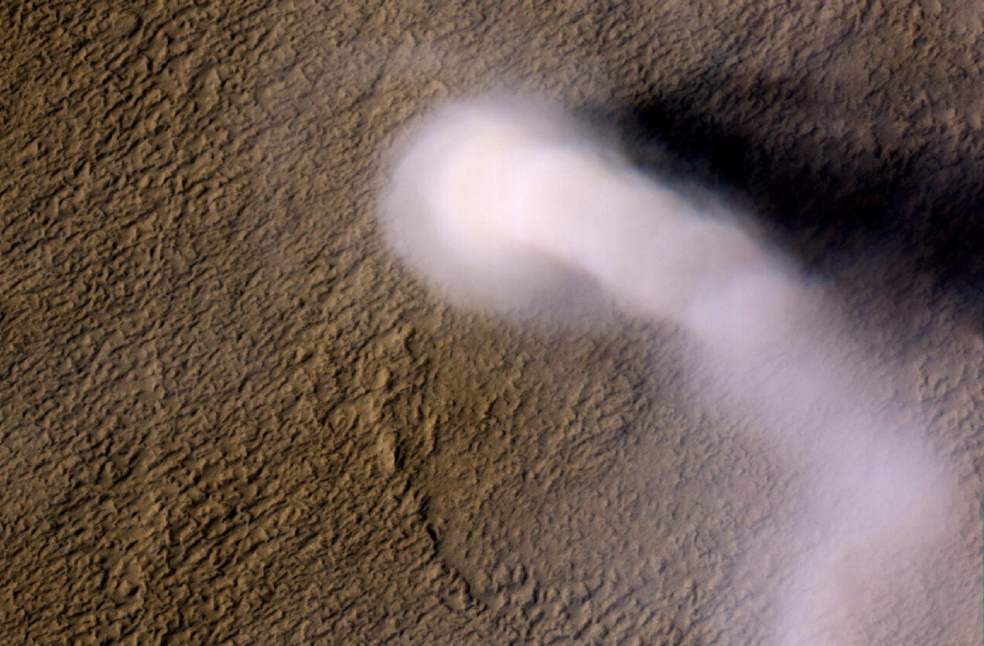
Scientists have found that the discharges appear to be linked to dust devils and dust storm fronts. Dust devils are small spiralling columns formed when hot air rises from the surface, generating internal movement that can create electrical activity. The results have indicated that similar atmospheric phenomena might occur more frequently on Mars than previously understood.
Lead researcher Dr Baptiste Chide has said that the findings represent a significant breakthrough with implications for atmospheric chemistry, future exploration and potential habitability. The research team believes that Mars now joins Earth, Saturn and Jupiter as planets known to show atmospheric electrical behaviour.
However, some scientific caution has remained. Particle physicist Dr Daniel Pritchard, writing in Nature, has said that while the recordings provide persuasive evidence of dust-induced discharges, uncertainty persists because no visual evidence has yet been captured. Doctor has suggested that debate is likely to continue until future missions can gather more definitive observations.
In a separate scientific development earlier this year, researchers found unusual markings on Martian rocks, described as resembling leopard spots and poppy seeds. The minerals within the markings may have been formed by chemical reactions possibly linked to ancient microbial activity, although natural geological processes remain a possible explanation. Nasa has said that these features could be among the clearest possible signs of past life discovered so far.
Today, the planet is cold, dry and hostile, but geological records have shown evidence of a thicker atmosphere and abundant water billions of years ago. The Jezero Crater was selected for exploration because it contains structures that resemble an ancient river delta, suggesting that liquid water once flowed through the region.
As scientists call for more advanced atmospheric sensors and high-sensitivity cameras, the detection of electrical discharges marks an important milestone in ongoing efforts to understand the environmental conditions of Mars and its potential to preserve traces of early life.
DON’T MISS | Putin warns Ukraine on territory demands ahead of US talks
