


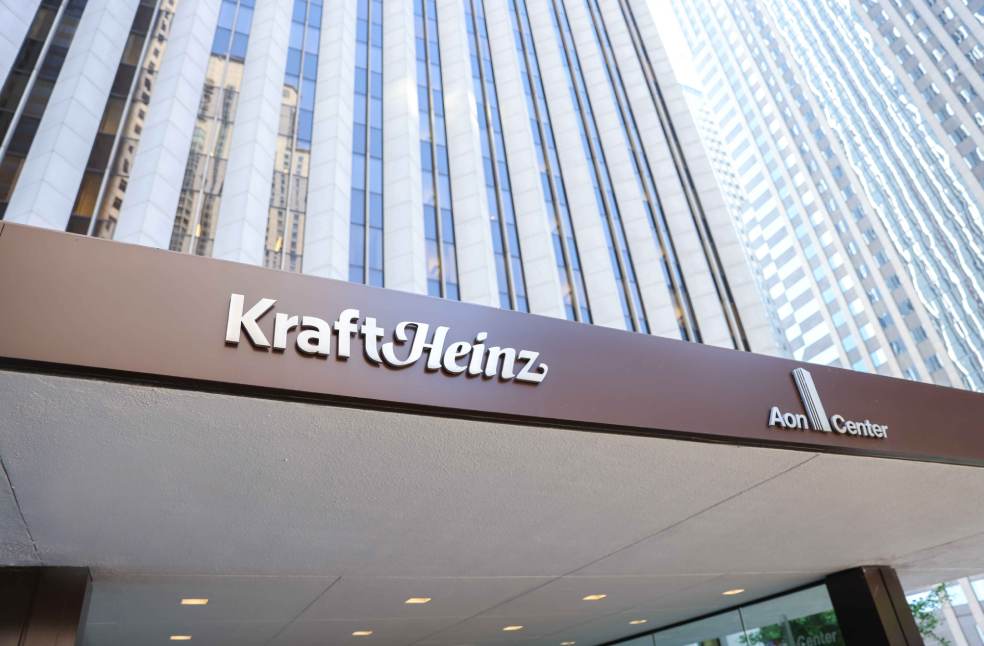
California: San Francisco has filed a landmark lawsuit against ten of the world’s biggest food manufacturers, accusing them of deliberately selling ultra-processed products linked to rising rates of obesity, diabetes, heart disease, cancers and other chronic illnesses.
The complaint, filed in San Francisco Superior Court, compares the industry’s alleged tactics to those used by tobacco companies, arguing that local governments are left to bear the financial burden of the resulting public health crisis.
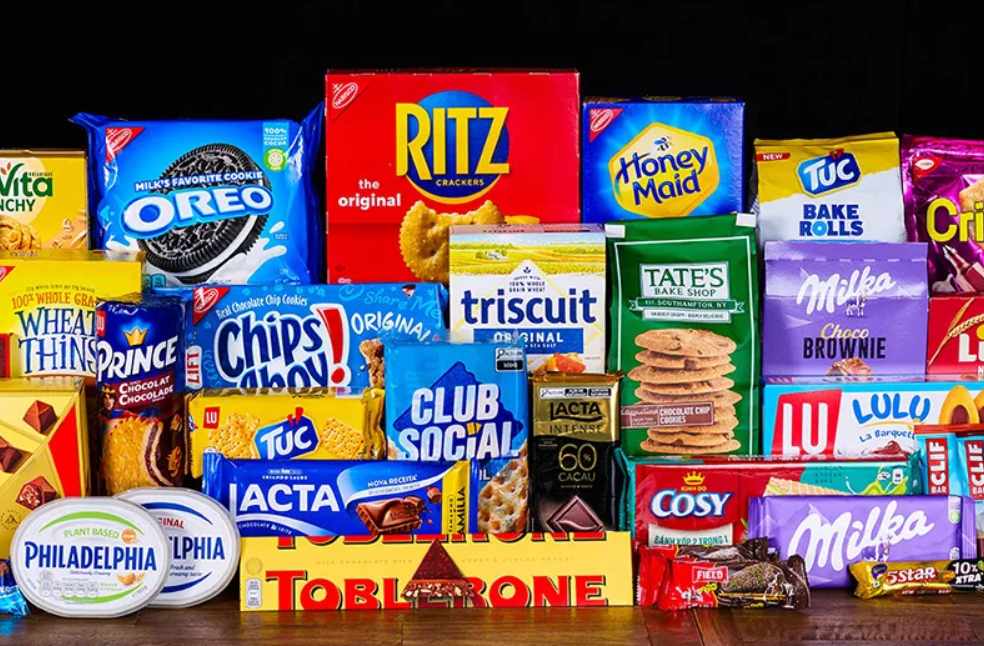
Kraft Heinz, Mondelez, Coca-Cola and other corporations are among the defendants named in the suit, which claims they violated California’s public nuisance and unfair competition laws by aggressively marketing ‘addictive and unhealthy’ foods while concealing their risks. Their products span a wide range of items from cookies and candies to cereals and granola bars.

San Francisco City Attorney David Chiu stated that, “These companies engineered a public health crisis, they profited handsomely, and now they need to take responsibility for the harm they have caused.” The lawsuit asserts that the rise of ultra-processed foods has coincided with a dramatic increase in preventable diseases, describing the products as containing ‘hidden health harms.’
The city is seeking financial penalties as well as a statewide order to force changes to what it calls ‘deceptive’ marketing practices.
Industry pushback
The Consumer Brands Association rejected the claims, arguing that there is no universally agreed-upon definition of ultra-processed foods. Sarah Gallo, senior vice president of product policy remarked that, “Attempting to classify foods as unhealthy simply because they are processed, or demonizing food by ignoring its full nutrient content, misleads consumers and exacerbates health disparities.”
Gallo added that companies have been reformulating products with more protein and fibre, reduced sugar and sodium, and fewer synthetic colour additives.
A growing bipartisan concern
The lawsuit lands with unusual political alignment, both some progressive officials and the Trump administration have voiced concern about ultra-processed foods. US Health Secretary Robert F. Kennedy Jr has announced multiple policy moves under the Make America Healthy Again initiative, including a ban on eight artificial food dyes and calls for the removal of seed oils, corn syrup and similar additives from consumer products.
Major companies have already begun adjusting, Coca-Cola, for instance, recently agreed to use real cane sugar in its US beverages. While this is the first lawsuit by a government body accusing food companies of intentionally marketing ultra-processed foods, similar legal attempts have faced setbacks.
Earlier this year, a Pennsylvania judge dismissed a case filed by an individual who blamed such foods for his diabetes and liver disease. San Francisco’s legal challenge now sets the stage for what could become a pivotal battle over transparency, nutrition standards and corporate accountability in America’s processed food industry.
TRENDING | Elon Musk on H-1B visas: Stop gaming the system
