



Moscow: Russia has imposed restrictions on voice calls via WhatsApp and Telegram, accusing the foreign-owned messaging services of refusing to share information with law enforcement in investigations related to fraud and terrorism.
The measure marks the latest escalation in Moscow’s long-running disputes with global tech platforms over content control and data storage, tensions that have intensified since Russia’s full-scale invasion of Ukraine in February 2022.
The communications regulator Roskomnadzor said that the move was aimed at ‘counteracting criminals’ and confirmed that only the calling functions were affected, with other features remaining operational. Russia’s digital ministry stated that call access would be restored once the platforms comply with Russian legislation, including measures to stop their services from being used for criminal activities.
President Vladimir Putin has approved plans for a state-backed messaging service integrated with government systems, part of an initiative to achieve what authorities call ‘digital sovereignty’ by replacing foreign-owned services with local alternatives. Critics warn that the new platform could enable increased surveillance and that Russia may intentionally slow down WhatsApp to encourage users to switch to the state-run service.
Legal entities for the apps
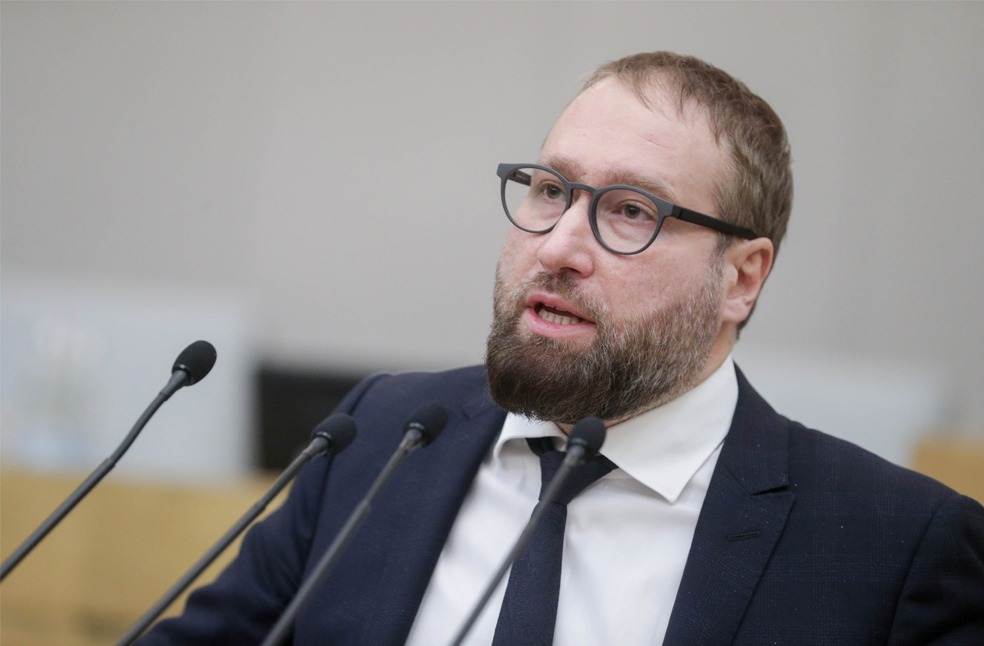
Anton Gorelkin, deputy head of the State Duma’s information technology committee, said that WhatsApp and Telegram would need to establish legal entities in Russia and cooperate with Roskomnadzor and law enforcement to have the restrictions lifted. Gorelkin also noted that WhatsApp should prepare to exit the Russian market, while another lawmaker labelled its continued presence a national security threat.
Meta, which owns WhatsApp and has been designated an ‘extremist organisation’ in Russia since 2022, defended the platform’s end-to-end encryption, accusing Russia of trying to block secure communication for over 100 million users. Telegram stated it actively removes harmful content, including material promoting sabotage, violence, and fraud, claiming it deletes millions of such items daily.
Reports says that Telegram calls have barely worked since 11 August, while WhatsApp calls are effectively unusable, with users experiencing sound dropouts and metallic buzzing.
Human Rights Watch recently warned that Russia is expanding its capacity to control internet infrastructure, enabling more extensive blocking and throttling of online platforms, as well as increased censorship of tools designed to bypass such restrictions.
ALSO READ | UK expands Police LFR vans to catch serious offenders
