


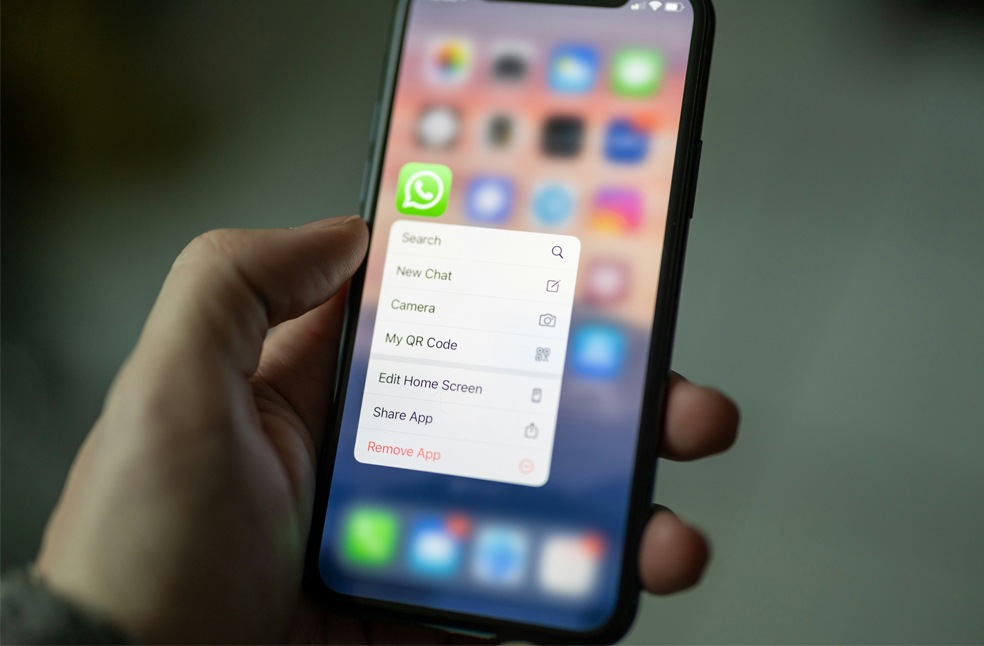
Moscow: WhatsApp has said that Russia has ‘attempted to fully block’ the messaging platform in the country, as the Kremlin continues to tighten restrictions on digital communication services.
The Meta-owned company stated that the move appears aimed at pushing its more than 100 million users in Russia towards a ‘state-owned surveillance app.’ Russia’s state-backed messaging platform, Max, is reportedly modelled on China’s ‘super app’ WeChat and has approximately 55 million users across the country.
In August last year, Russian authorities ordered that Max be pre-installed on all new smartphones sold domestically. Critics have argued that the platform could be used to monitor users, although state media has dismissed those claims as false.
WhatsApp, owned by Meta, reportedly has at least 100 million users in Russia, making it the country’s most widely used messaging service. The publication previously reported that Russian authorities removed WhatsApp from an online directory operated by Roskomnadzor, Russia’s media monitoring agency.
The latest development follows further restrictions imposed by Russian regulators on Telegram, citing security concerns. Telegram is estimated to have a user base in Russia similar to that of WhatsApp.
In a statement, WhatsApp said that attempting to isolate more than 100 million users from private and secure communication is a backward step that would only reduce safety for people in Russia. The company added that it would continue doing everything possible to keep users connected.
Russia’s communications regulator, Roskomnadzor, has repeatedly warned WhatsApp to comply with domestic legislation. Earlier this year, state-owned Tass news agency reported that WhatsApp is expected to be permanently blocked in Russia in 2026.
Russian official Andrei Svintsov was quoted as saying that ‘such harsh measures’ are ‘absolutely justified,’ noting that Russia designated Meta as an extremist organisation in 2022. Since that designation, Meta-owned platforms including Instagram and Facebook have been blocked in the country and are accessible only through virtual private networks (VPNs).
MOST READ | ASA bans Disney Predator ad over disturbing content
