


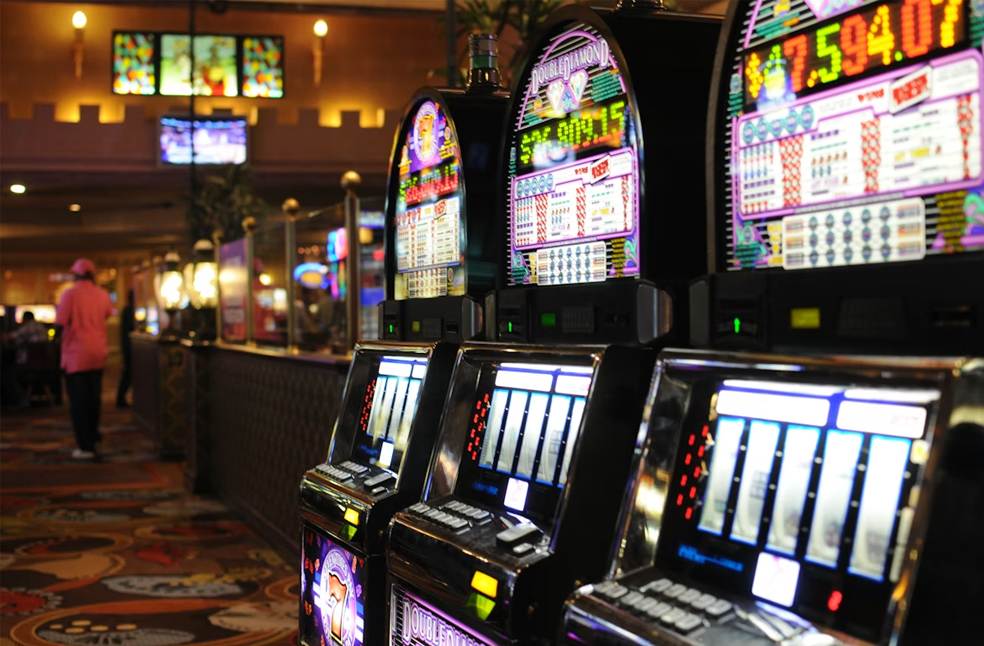
Bucharest: Romania has introduced major changes to its gambling regulations through an emergency decree that allows municipalities to restrict or completely ban betting shops and slot machine halls.
The reform represents one of the most significant regulatory shifts in the country’s gambling sector. Under the new framework, gambling operators must obtain both a national licence and local authorisation before opening a venue.
This gives mayors and local councils the authority to approve or reject establishments within their jurisdictions. Officials estimate that more than 200 localities could potentially impose full bans on gambling venues.
Rapid expansion of the gambling sector
The regulatory changes follow years of rapid expansion in Romania’s gambling industry, which includes tens of thousands of slot machines and betting outlets nationwide, particularly in the capital, Bucharest.

Previously, gambling venues were authorised centrally without requiring approval from municipal administrations. This left local authorities with limited ability to prevent venues from opening in residential areas or near schools.
Diana Stoica, a member of parliament from the Save Romania Union, played a key role in promoting the legislation that returned regulatory control to municipalities. “From now on, local authorities can clearly say ‘yes’ or ‘no.’ If they say yes, they can decide exactly where these venues can operate and under what conditions,” said Stoica.
Several Romanian cities are already considering complete bans on gambling establishments. Among them is Slatina in southern Romania, where Mayor Mario De Mezzo has announced plans to remove all gambling halls in the city once current licences expire. “The simplest solution was to eliminate these businesses entirely from the city. They are toxic for society,” De Mezzo added.
Local governments are expected to determine where gambling venues may operate and establish specific operating conditions under the new rules.
Economic importance vs social concerns
Romania’s gambling sector represents a multibillion-euro industry that generated close to €1 billion in tax revenue for the state in 2025. However, official audits have also identified millions of euros in unpaid or uncollected revenues within the sector.

Despite its financial contribution, the rapid expansion of gambling venues has raised growing public concern about social impacts, including addiction and financial hardship among vulnerable groups.
Advocates of stricter regulation argue that the country allowed the gambling industry to grow extensively over the past two decades with relatively limited local oversight. Lawmakers supporting the reforms say the previous regulatory system treated gambling businesses more leniently than many other types of commercial activity.
Public complaints from residents and civil society groups have increased in recent years, particularly in urban neighbourhoods where multiple betting shops operate within a small area and close to educational institutions.
The reforms aim to give local authorities the tools to better manage the location and number of gambling establishments in their communities.

Possible restrictions in Bucharest
Ciprian Ciucu, mayor of a district in Bucharest, has indicated that the city administration may consider zoning rules that limit gambling venues to specific areas such as tourist districts. Consultations with the city council are expected before any final decision is taken.
Meanwhile, Romania’s parliament is also debating additional restrictions that could further tighten regulation of the sector. Proposed measures include banning individuals under the age of 21 from entering gambling halls, restricting online gambling advertisements during daytime hours, introducing spending limits based on income levels, and limiting marketing that targets young audiences.
Romania’s media regulator has already implemented rules preventing celebrities and social media influencers from appearing in gambling advertisements. Local officials and lawmakers have increasingly emphasised the broader social consequences linked to gambling expansion.
Authorities in several municipalities are reviewing data related to addiction, financial distress, and family problems connected to gambling activity. These concerns have contributed to the momentum behind the recent reforms and the growing number of cities considering stricter local restrictions or complete bans on gambling venues.
NOST READ | Millions of women to benefit from new UK Workers’ Rights
