


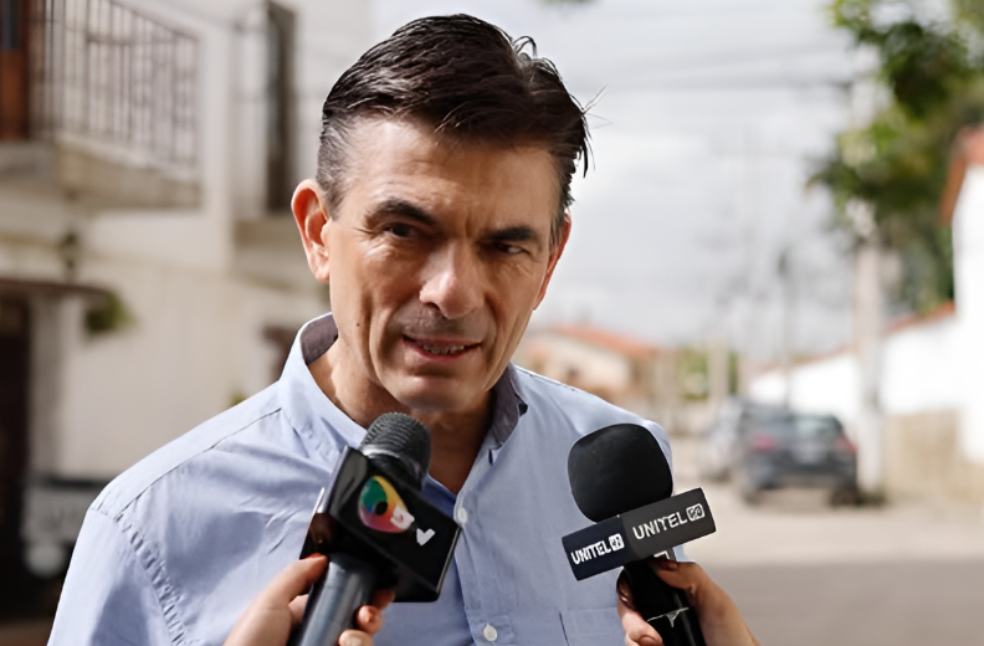
Bolivia: Bolivians have elected Rodrigo Paz of the centre-right Christian Democratic Party (PDC) as their new president, marking the end of nearly 20 years of governance by the Movement for Socialism (MAS) party.
With 97 percent of ballots counted, Paz secured 54.5 percent of the vote in run-off election, defeating former interim President Jorge ‘Tuto’ Quiroga, who garnered 45.4 percent, according to the Supreme Electoral Tribunal (TSE).
Paz, 58, follows in the political footsteps of his father, former left-wing President Jaime Zamora. After studying economics in the United States, he returned to Bolivia and served as mayor of Tarija before being elected as a senator in 2020.
View this post on Instagram
The president-elect has pledged a ‘capitalism for al’ approach, promising tax cuts, tariff reductions, and decentralisation of the national government. His vice-presidential running mate, Edmand Lara, called for ‘unity and reconciliation’ following the victory, urging immediate action to stabilise food and fuel prices and to combat corruption.
Political shift after MAS defeat
The election outcome follows a major setback for the MAS party, which has dominated Bolivian politics since 2006. The party’s decline deepened after former President Evo Morales was barred from running due to term limits and technicalities, while outgoing President Luis Arce chose not to seek re-election.
The internal split within the left-wing coalition, coupled with the country’s deep economic crisis, made it difficult for MAS to regain momentum.
Despite losing the presidency, Morales remains a formidable political force, particularly among Indigenous Bolivians. Arce is expected to leave office on November 8, after completing his single presidential term that began in 2020.
Economic challenges ahead
Bolivia is grappling with soaring inflation near 25 percent, severe fuel and dollar shortages, and mounting public frustration over rising prices. In the weeks leading up to the election, protests erupted across major cities, with citizens queuing for hours to buy basic goods like bread and fuel.
During Morales’s presidency (2006–2019), Bolivia experienced a decade of economic expansion, driven by gas nationalisation and social welfare programmes that lifted millions out of poverty. However, the decision to curb gas exploration led to a collapse in energy revenues—from $6.1 billion in 2013 to $1.6 billion in 2024—causing a shortage of foreign exchange reserves.
While Paz has signalled support for fiscal reform, his stance on the costly fuel subsidy remains unclear. He has alternated between maintaining it for vulnerable sectors and suggesting possible cutbacks to ease pressure on the national budget.
As Bolivia prepares for a political transition, Paz faces the daunting task of steering the country out of its economic crisis, bridging deep political divides, and restoring public confidence in government institutions.
TRENDING | Nestle to cut 16,000 jobs in major global restructuring
