



Los Angeles: Once a little-known part of the human body, the vagus nerve, the body’s ‘superhighway’ that carries information between the brain and major organs, has recently become a viral topic across social media.
Videos promoting techniques to ‘heal,’ ‘stimulate,’ or ‘reset’ the vagus nerve have gained millions of views, all promising to reduce stress and anxiety through simple exercises.
Methods such as humming, tapping, eye movements, gargling, and breathwork are frequently recommended online as ways to activate the nerve and promote calm. Proponents believe that stimulating the vagus nerve can help balance the autonomic nervous system, which regulates involuntary processes such as heart rate, breathing, and digestion.
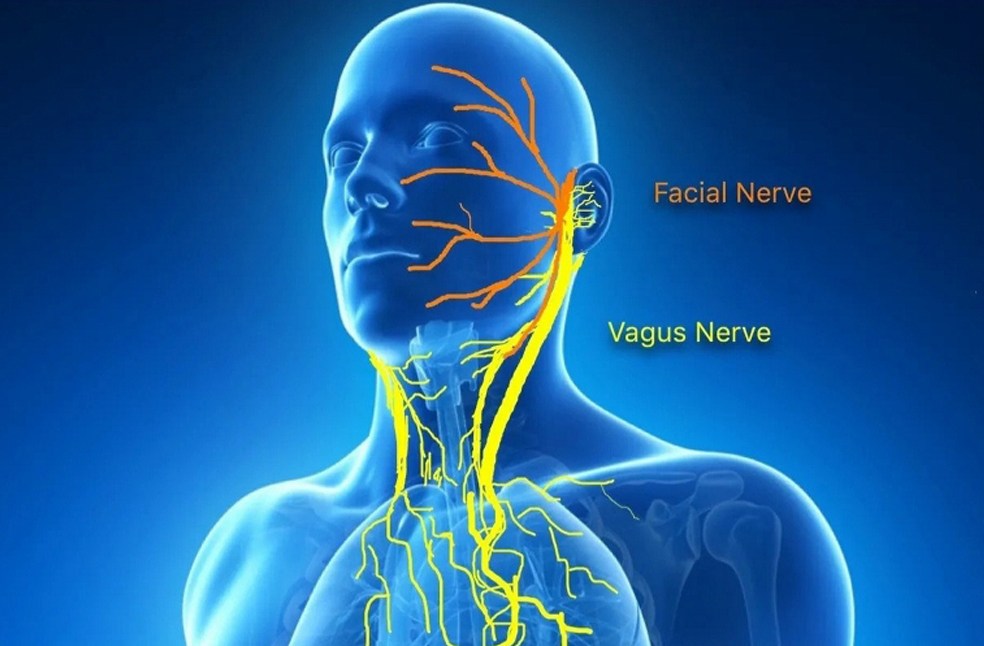
This system has two main parts: the sympathetic nervous system (responsible for ‘fight or flight’) and the parasympathetic nervous system, which relies on the vagus nerve to help restore calm. When these systems fall out of balance, it can contribute to stress-related issues, leading some to seek ways to ‘reset’ them.
However, medical experts caution that much of the social media advice oversimplifies a highly complex biological system. Professor Hamish McAllister-Williams, a consultant psychiatrist, notes that vagus nerve stimulation (VNS) has proven clinical benefits in treating conditions like epilepsy and treatment-resistant depression, but only through implanted medical devices that send controlled electrical impulses directly to the nerve.
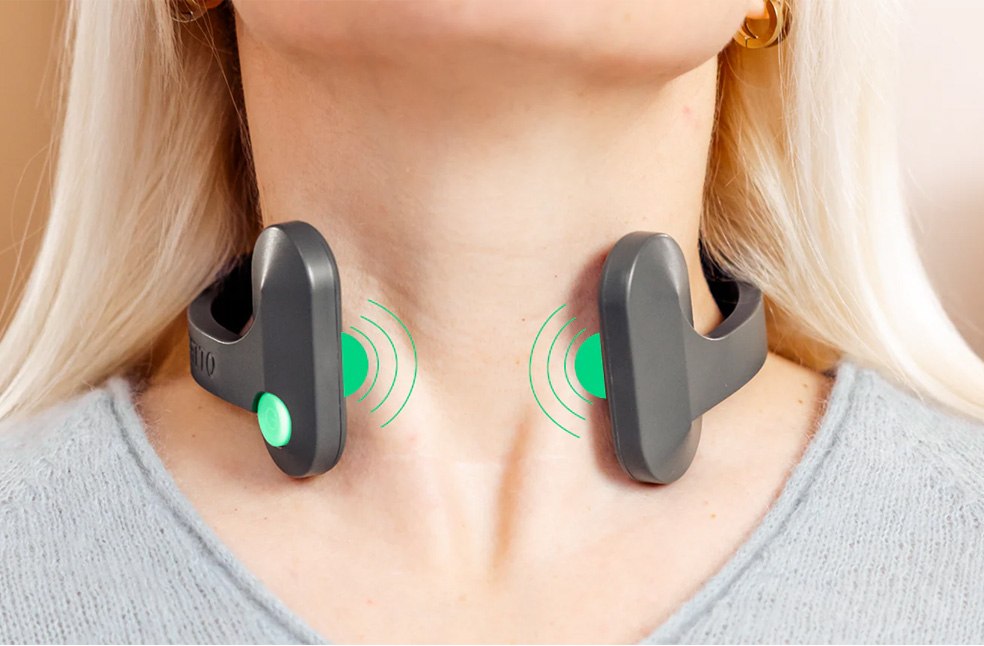
While there’s increasing interest in non-invasive wearable stimulators that use low-level electrical pulses through the skin of the ear, neck, or chest, experts emphasize that scientific evidence for these external devices remains limited. These gadgets, often costing between £200 and £1,000, are designed to mimic medical VNS devices, but their ability to deliver effective stimulation through layers of skin and tissue is still under study.
According to Dr. Chris Barker, a specialist in pain management, understanding and regulating the vagus nerve is part of a broader exploration of how the nervous system affects overall well-being. While there is growing recognition of its role in mental health, heart rate regulation, and digestion, researchers stress that the body’s systems are deeply interconnected, and there is no one-size-fits-all approach to achieving balance.
Dr. Barker advises that individuals experiment safely, take a measured approach, and seek medical guidance, particularly those with heart or respiratory conditions, before attempting any vagus nerve activation techniques.
Though scientific evidence remains inconclusive, the fascination with the vagus nerve highlights a collective desire for natural methods to manage stress in an increasingly fast-paced world. It’s important to note that individuals with underlying heart or respiratory conditions should consult a healthcare professional before attempting to stimulate or rebalance their vagus nerve or nervous system.
ALSO READ | Peru declares Mexico’s President Sheinbaum ‘Persona Non Grata’
