


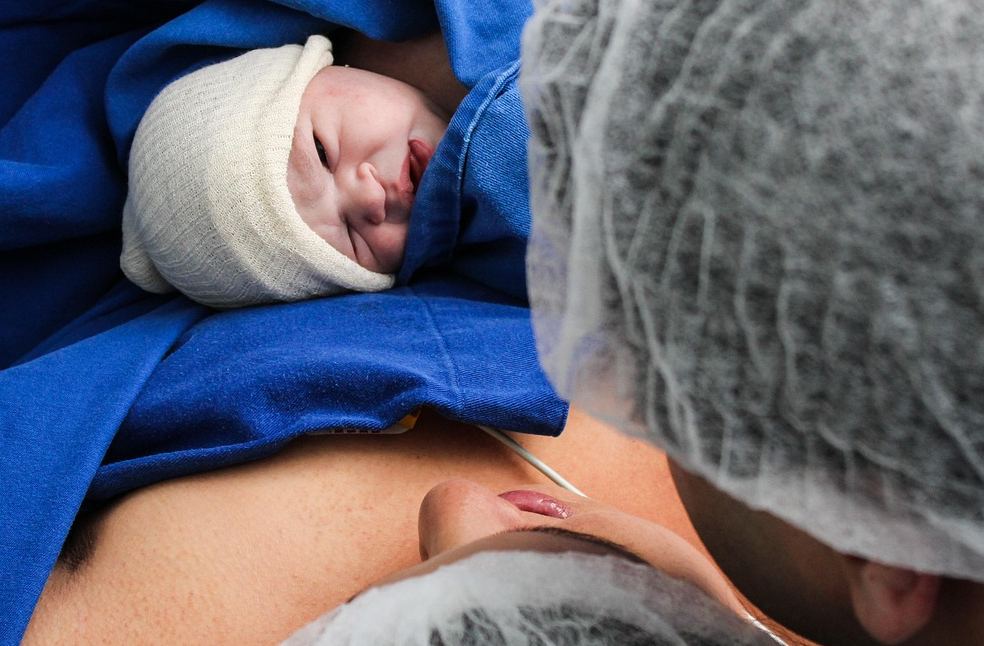
Tokyo: The latest data from Japan’s health ministry has shown that births in Japan to foreign parents have reached an all-time high, marking a significant demographic shift.
More than 22,000 children were born to non-Japanese couples in 2024, accounting for over 3 percent of all newborns. This contrasts with the continued decline in births among Japanese citizens, which fell to 686,173 last year.
The data revealed that 22,878 foreign children, defined as those born to non-Japanese parents or an unmarried foreign mother, were registered last year, an increase of more than 3,000 from the previous year and nearly 50 percent higher than a decade ago. By nationality, Chinese women made up the largest group of foreign mothers, followed by women from the Philippines and Brazil.
Japan’s foreign population has expanded sharply in recent years, reaching 3.95 million legal residents, according to the Immigration Services Agency. Many of these residents are young workers in their 20s and 30s who are expected to remain in Japan long-term and start families.
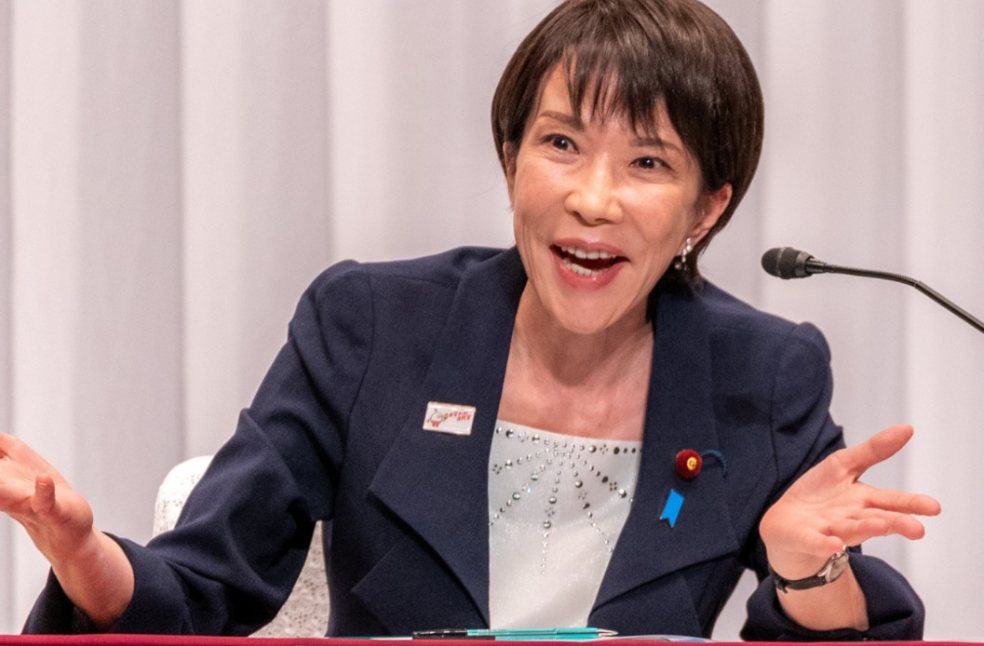
However, this demographic change has fuelled political tensions. The minor populist party Sanseito gained traction in July’s upper house elections, while Liberal Democratic Party leader Sanae Takaichi has made migration and the issue of ‘poorly behaved’ tourists central to her platform.
Experts have urged local authorities to enhance support for foreign families. Toshihiro Menju, visiting professor at Kansai University of International Studies, told that policies for foreign babies and their families remain insufficient. Menju said that Japan must build a society where foreign-national children can speak Japanese fluently, achieve equal earnings, and support their families, warning that otherwise, social divisions could deepen.
TOP PICKS | Oscar-winning star Diane Keaton dies in Los Angeles
