


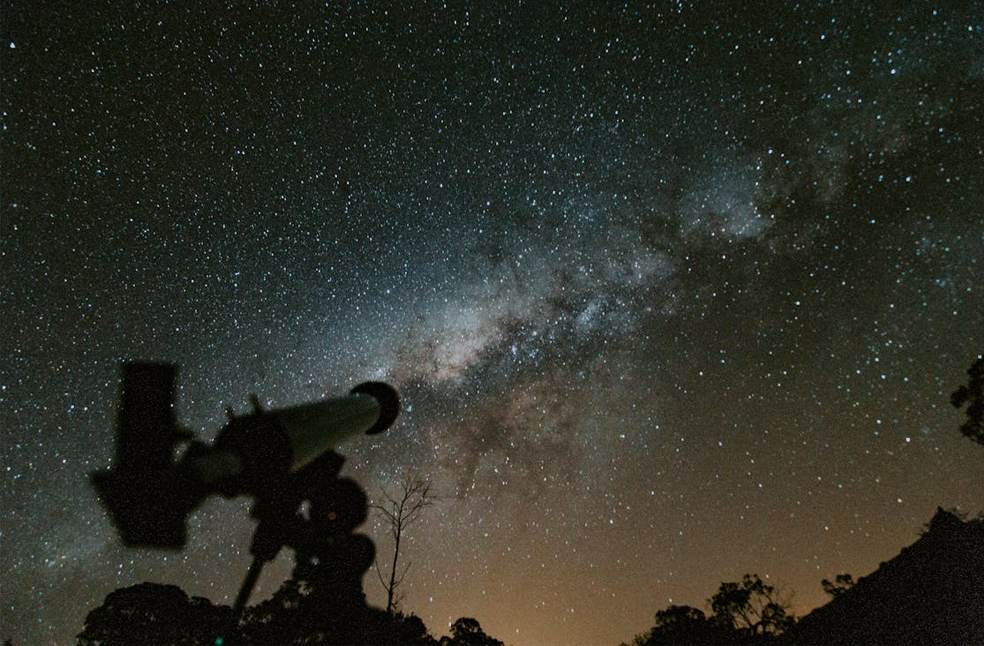
Cape Canaveral, Florida: Space enthusiasts are in for a rare celestial spectacle towards the end of the month, as a planetary parade brings six planets into close alignment in the night sky.
According to NASA, a planetary parade, also known as a planetary alignment, occurs when at least four or five planets are visible together from Earth.
On February 28, stargazers will have the opportunity to witness Mercury, Venus, Jupiter, Saturn, Uranus and Neptune appearing closely aligned across the sky, making it an uncommon and visually striking astronomical event.
Planetary parades occur because the planets orbit the Sun along a similar flat path called the ecliptic plane. Although each planet travels at different speeds and distances, there are moments when several appear to line up from Earth’s perspective.
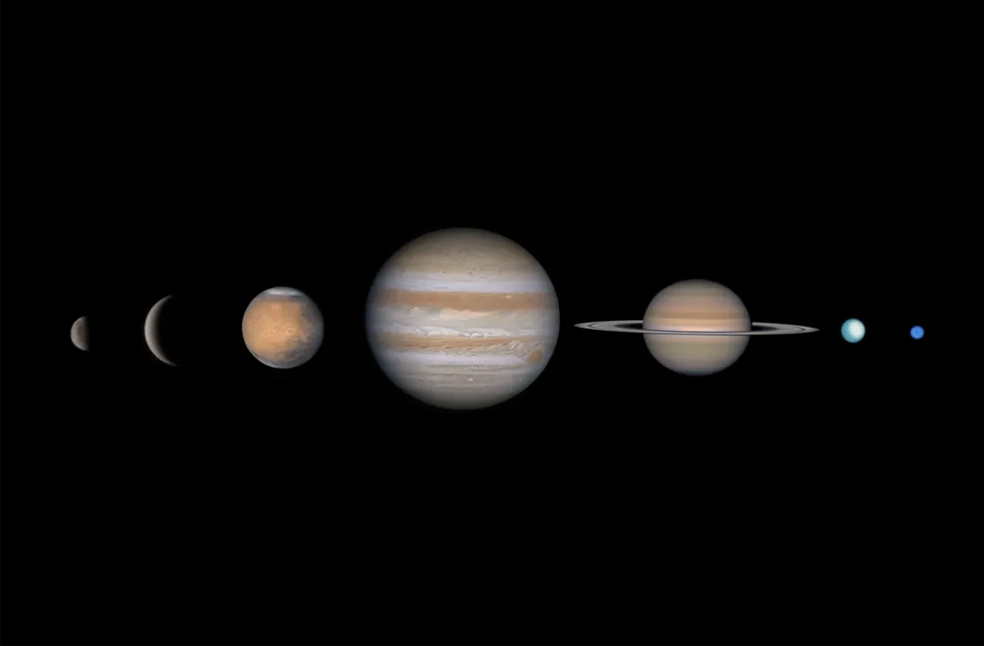
This alignment is purely visual, as the planets remain separated by vast distances ranging from millions to billions of kilometres.
Such events have occurred before. On February 27, 2025, an even rarer planetary parade featured seven planets, Mercury, Venus, Mars, Jupiter, Saturn, Uranus and Neptune, visible at the same time, a display that will not occur again until 2040.
At the time, Royal Observatory Greenwich astronomer Dr. Gregory Brown explained that while alignments involving three to five planets are relatively common throughout the year, full six- or seven-planet parades are rare because they require very precise planetary positioning.
NASA notes that planetary parades can last anywhere from several weeks to more than a month, as planetary movements are slow and gradual. Some observers may begin spotting the alignment as early as this weekend, but February 28 is particularly significant because the planets will be most tightly grouped and more easily visible together in the evening sky.
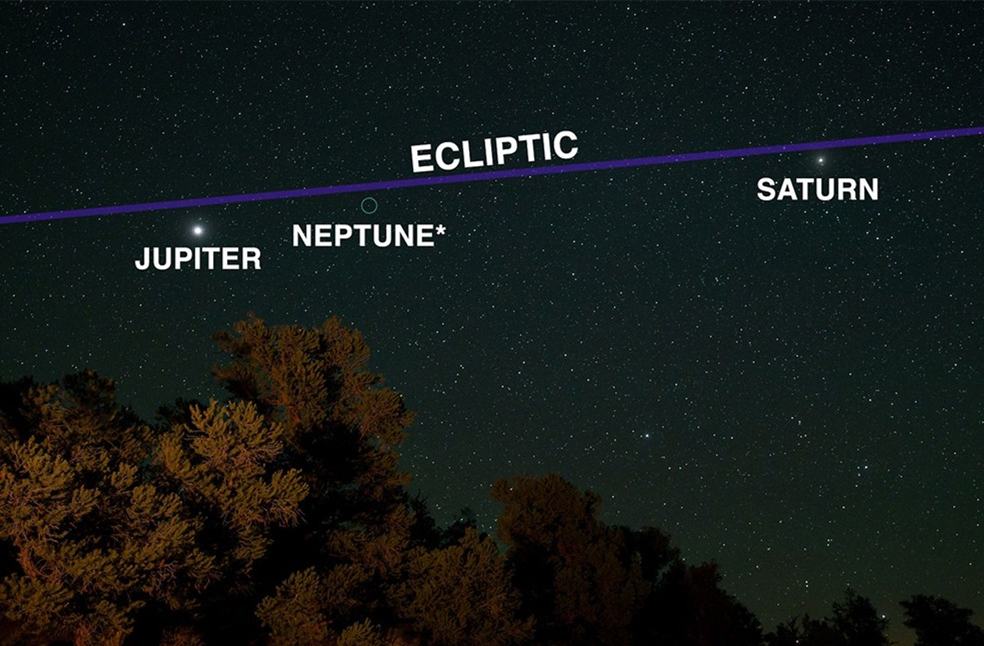
Four planets, Mercury, Venus, Mars, and Jupiter, will be visible to the naked eye. Uranus and Neptune, however, will require binoculars or a telescope due to their distant orbits in the outer solar system. Mercury may also be challenging to spot at times because it appears low near the horizon.
The best time to observe the planetary parade will be around 30 minutes after local sunset. Star Walk recommends looking low in the western sky from a location with clear weather and an unobstructed view.
NASA explains that for a planet to be visible without optical aid, it should be at least a few degrees above the horizon, with 10 degrees or more providing optimal visibility, as Earth’s atmosphere near the ground can dim and scatter planetary light.
The planetary parade will be visible across the globe, although optimal viewing dates will vary by location. According to Star Walk, the best dates are February 25 for São Paulo; February 28 for Athens, New York, Mexico City and Tokyo; March for 1Beijing, Berlin, London and Mumbai; and March 2 for Reykjavik.
MOST READ | Lindsey Vonn recovering after Olympic downhill ski crash
