


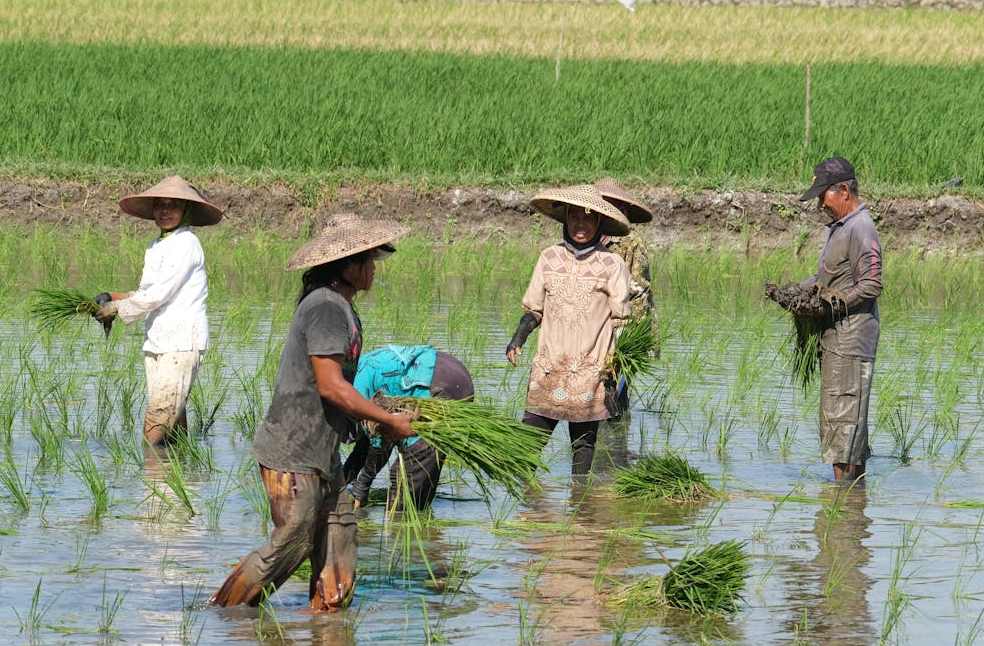
Chiniot: Devastating floods in Pakistan’s Punjab region have caused extensive damage to homes, crops, and livestock, leaving communities struggling to recover.
Thousands of villages have been inundated, forcing over 760,000 people and more than 516,000 animals to evacuate. At least 33 fatalities have been reported in less than a week, while millions remain affected by submerged fields and destroyed property.
Farmers have seen their rice, sugarcane, maize, vegetables, and cotton crops destroyed, creating uncertainty about food supplies and economic stability. The flood damage has caused rice prices to spike, making local consumption costlier and reducing export competitiveness against neighbouring countries.
Cotton losses also threaten the textile industry, which accounts for more than half of Pakistan’s exports, coinciding with an ongoing 19 percent US tariff on Pakistani goods.

Relief efforts have been extensive, with 511 camps, 351 medical facilities, and 321 veterinary sites established to support displaced people and livestock.
Authorities have deployed over 15,000 police officers to assist with evacuations and maintain order as heavy monsoon rains continue to strain the region. Temporary tent cities have sprung up along rivers, housing families who lost their homes.
The economic impact of Punjab floods Pakistan is expected to be substantial. Analysts warn that delayed wheat sowing, damaged rice fields, and cotton shortages will disrupt supply chains and inflation, which had recently eased, is likely to rise. Recovery costs are projected to run into billions of rupees as authorities work to rebuild homes, rehabilitate farmland, and restore livelihoods.
Experts have emphasised that sustained support for farmers is crucial to prevent food insecurity from worsening. The floods highlight the vulnerability of Pakistan’s agriculture-dependent economy and the need for coordinated disaster relief and long-term mitigation strategies.
MOST READ | Taco Bell rethinks AI drive-throughs after order glitches
