


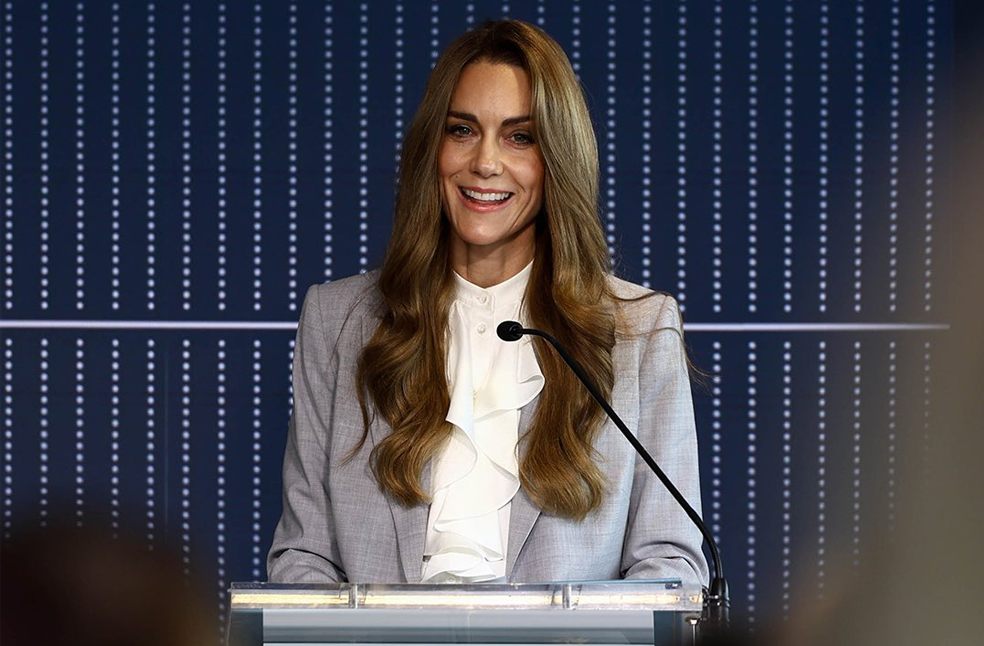
London: The Princess of Wales has issued a powerful appeal urging the public to help break the ‘stigma’ surrounding addiction, noting that the lives of those struggling with dependency are too often shaped by ‘fear, shame and judgment.’
In a message released to mark Addiction Awareness Week, which runs until November 30, Catherine highlighted that addiction affects people from every background and walk of life.
As patron of the Forward Trust, a charity that supports individuals recovering from addiction, Princess stated that society must bring the issue ‘out of the shadows’ through more open, honest conversations.
Proud to be Patron of the Forward Trust this Addiction Awareness Week. Addiction is not a choice, or a personal failing, but a complex mental health condition that should be met with empathy and support. pic.twitter.com/v6d8qaLOmq
— The Prince and Princess of Wales (@KensingtonRoyal) November 24, 2025
Catherine emphasised that addiction ‘is not a choice or a personal failing’ but a complex mental health condition. Princess noted that it should be met with understanding, compassion, and meaningful support, rather than blame.
The Princess of Wales warned that stigma continues to deepen suffering, allowing addiction to persist behind closed doors and causing further harm to families and communities.
“Many of us will know someone who is affected,” Princess of Wales said, encouraging the public to show empathy, adding that recovery can begin with simple acts such as “a conversation, a listening ear, and showing we care.”
New research released for the Forward Trust’s Taking Action on Addiction campaign reveals the widespread impact of addiction across the UK. An Ipsos survey of 2,124 adults found that 53 percent have either personally experienced addiction or know someone who has.

Meanwhile, 81 percent said that people struggling with alcohol, drugs, medication, or gambling should be treated as individuals who need help, not judged.
Alongside her message on addiction, the Princess of Wales announced a new initiative from her Centre for Early Childhood. The centre is offering £100,000 in research funding to address ‘technoference,’ the interruptions caused by digital devices that disrupt family interactions, particularly between parents and young children.
The funding call invites researchers to work with families across the UK to examine when, why, and how technoference occurs and to test practical solutions. Findings from these studies will support the development of guidance and resources for early years practitioners, including teachers, childcare specialists, and health visitors.
The work is part of the Princess’s wider efforts to strengthen early childhood development and support healthier family environments.
MOST READ | US warning triggers widespread flight suspensions to Venezuela
