


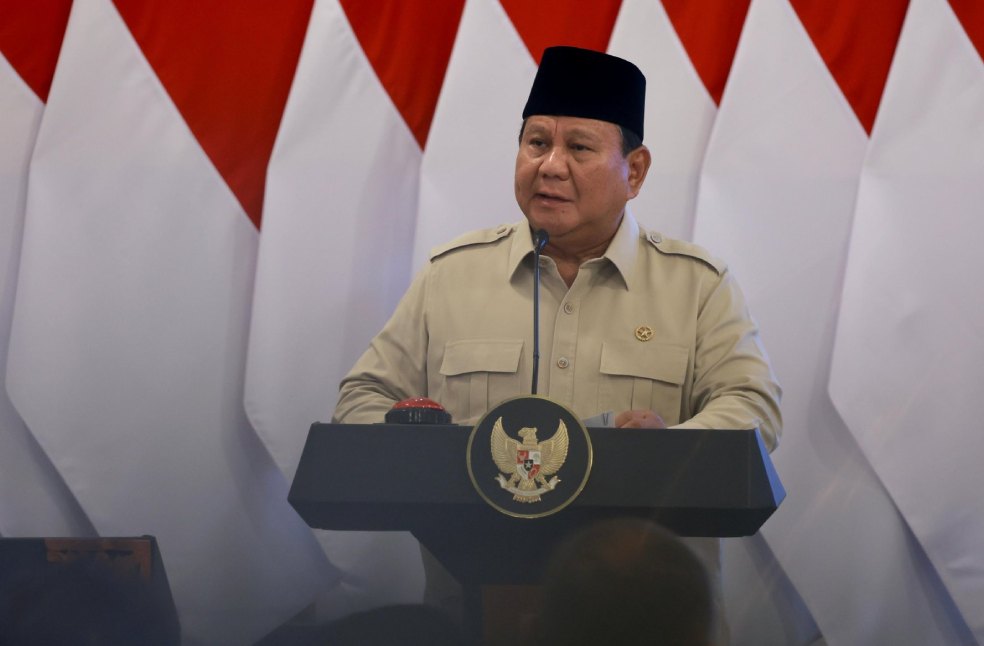
Jakarta: Indonesian President Prabowo Subianto has cancelled a planned China trip, citing the need to monitor the worsening antigovernment protests sweeping across the country directly.
The announcement came, after authorities confirmed at least three deaths in an arson attack on a parliament building in Makassar, South Sulawesi. The unrest, initially sparked by outrage over lawmakers’ hefty monthly housing allowances, has now escalated into violent nationwide demonstrations.
Presidential spokesperson Prasetyo Hadi said Prabowo ‘wants to continue monitoring the situation directly and seek the best solutions,’ adding that the president has apologised to Beijing for skipping the Shanghai Cooperation Organisation summit and Victory Day parade in Tianjin.
Mounting anger over allowances
Protests began in Jakarta following revelations that all 580 lawmakers receive a monthly housing allowance of $3,075 in addition to their salaries, more than 10 times the capital’s minimum wage. Critics call the benefit excessive and insensitive at a time of rising living costs, high unemployment, and new taxes.
Tensions spiked, when 21-year-old ride-hailing driver Affan Kurniawan was killed after being struck by a police vehicle. Protests have now spread far beyond the capital. Demonstrators torched or looted regional parliament offices in West Nusa Tenggara, Pekalongan (Central Java), Cirebon (West Java), and Bali. Local reports said police used tear gas in multiple cities to disperse crowds.
In Cirebon, protesters reportedly carried away office equipment, while in Jakarta, the home of NasDem lawmaker Ahmad Sahroni was looted. Sahroni, accused of responding dismissively to public outrage, recently branded critics ‘the stupidest people in the world.’
Adding to the turmoil, TikTok suspended its live-streaming feature in Indonesia for several days, citing concerns over ‘increasing violence.’ With over 100 million users in the country, the platform has been a key space for documenting demonstrations, including police firing tear gas and water cannons.
The move follows government pressure on social media firms to intensify content moderation amid concerns about online disinformation fuelling unrest. Rights groups have criticised the government’s heavy-handed response. Wirya Adiwena, deputy director of Amnesty International Indonesia, told that authorities appear ‘more interested in controlling the narrative and the protests instead of addressing people’s real concerns.’
Wirya Adiwena warned that recent laws granting the military greater involvement in civilian affairs mark a return to ‘old playbooks’ of repression.
With more demonstrations planned in the coming days, the unrest poses the first major challenge to Prabowo’s year-old government and tests his ability to balance public anger with his calls for decisive security measures.
MOST READ | MacLean Brothers complete record-breaking Pacific Ocean row
