


Petropavlosk: A powerful earthquake in Russia’s Far East has shaken the Kamchatka Peninsula, prompting tsunami warnings and coastal evacuations across the Pacific.
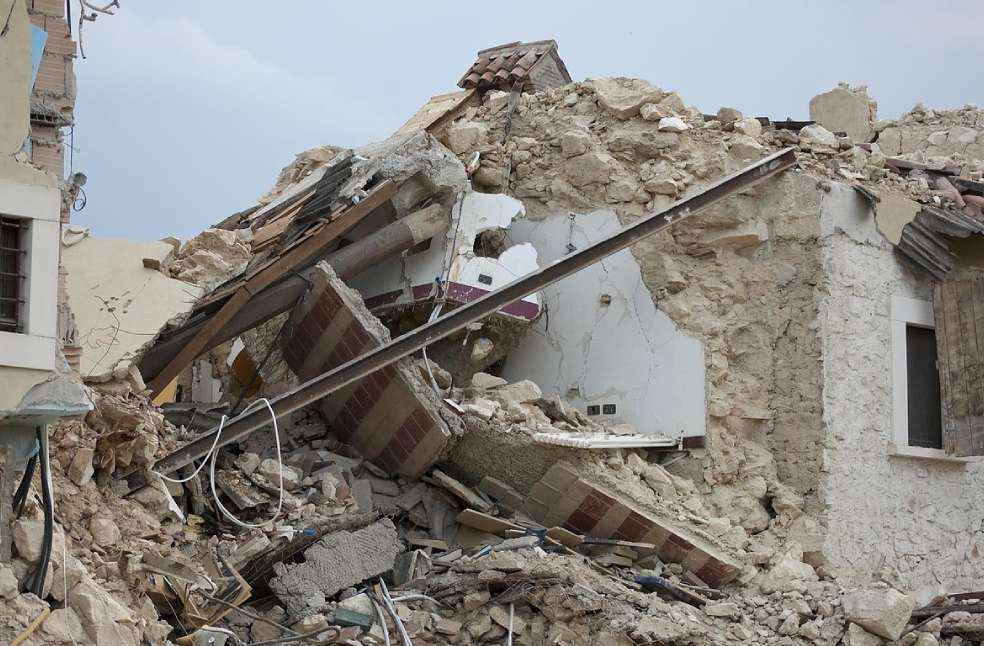
The magnitude 8.8 quake struck offshore near Petropavlovsk-Kamchatsky, with waves of up to 4 metres reported in affected areas. Authorities confirmed several injuries in Kamchatka, where buildings sustained structural damage.
Kamchatka Governor Vladimir Solodov stated that it was the strongest earthquake the region has experienced in decades. Russia’s emergency response teams have urged residents to avoid low-lying coastal areas due to the tsunami risk.
The earthquake in Russia, recorded at a shallow depth of 19.3 kilometres, was followed by a strong aftershock measuring 6.9. Tsunami waves were observed across Kamchatka’s eastern coast, leading to immediate precautionary evacuations.
Japan’s Meteorological Agency issued a tsunami warning, predicting waves as high as 3 metres in parts of the country. Coastal sirens and public alerts were activated throughout Japan, especially in Hokkaido and eastern seaboard regions.
At 11:24am local time (7/30/2025), a magnitude 8.8 earthquake occurred near the Kamchatka Peninsula, Russia. Tsunami alerts were issued around the Pacific Basin. It followed a magnitude 7.4 foreshock on July 20 and is near the epicenter of the 1952 magnitude 9.0 event.
For… pic.twitter.com/L3IJUwChOV— USGS (@USGS) July 30, 2025
Residents in Hokkaido were seen gathering on rooftops as fishing vessels moved out to sea to avoid potential harbour damage. Meanwhile, authorities evacuated workers from the Fukushima nuclear plant, though no damage or radiation risks have been reported.
The United States Geological Survey (USGS) confirmed the epicentre was located 119 km southeast of Petropavlovsk-Kamchatsky. The US Tsunami Warning System has issued alerts for hazardous waves possibly impacting Hawaii, Japan, Chile, Ecuador, the Solomon Islands, and parts of the US West Coast.
In Hawaii, emergency services issued alerts urging immediate evacuation from designated coastal zones. While initial waves recorded in Japan were relatively small, officials remain on high alert for further developments.
Earthquake in Russia has intensified concerns about seismic preparedness and nuclear facility safety across multiple Pacific nations.
Monitoring agencies continue to assess wave activity and potential aftershocks, while rescue and relief operations remain active in the affected regions.
MOST READ | Deadly mass shooting hits Manhattan skyscraper offices
