


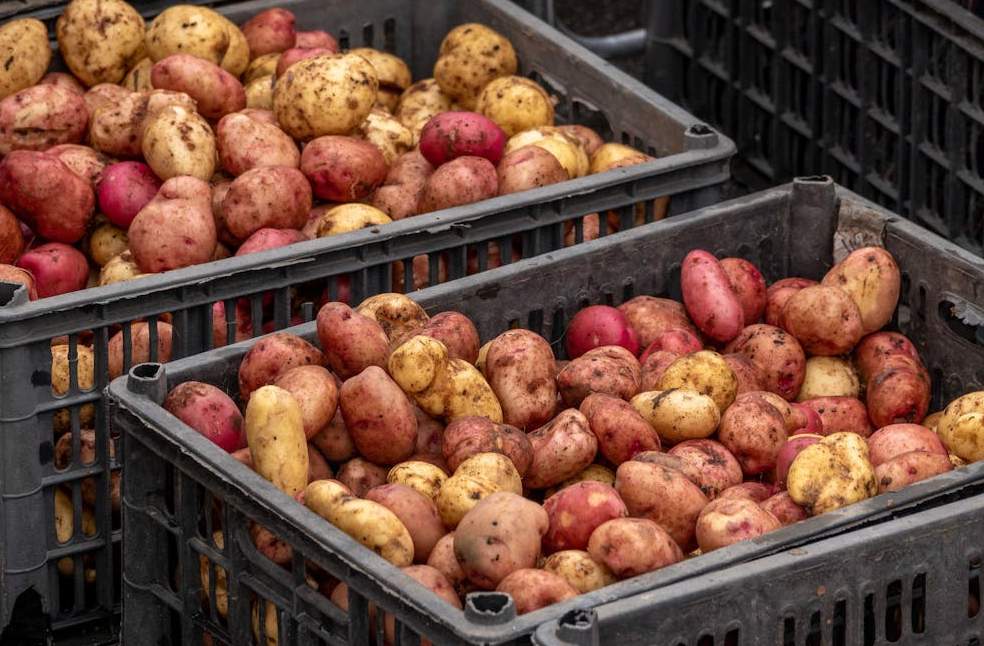
Berlin: Potato surplus has reshaped food distribution across Berlin after Germany recorded its largest harvest in more than 25 years.
Exceptional growing conditions across northern Europe have driven yields far beyond expectations, leaving farmers with excess produce and limited storage or commercial outlets. Dubbed the Kartoffel-Flut, or potato flood, the bumper harvest has overwhelmed traditional supply chains despite Germany’s strong consumption of the staple.
Official statistics show Germans consume an average of 63 kilograms per person annually, yet the scale of production has exceeded demand. In response, one farmer near Leipzig offered 4,000 tonnes of surplus potatoes after a planned sale collapsed, triggering a large-scale redistribution effort.
The initiative, coordinated by a Berlin newspaper alongside the eco-friendly search engine Ecosia, has established more than 170 spontaneous distribution points across the capital. Residents have queued in winter conditions to collect free potatoes, using bags, buckets and handcarts to carry home supplies. Many participants have cited rising living costs as a key reason for attending the giveaways.
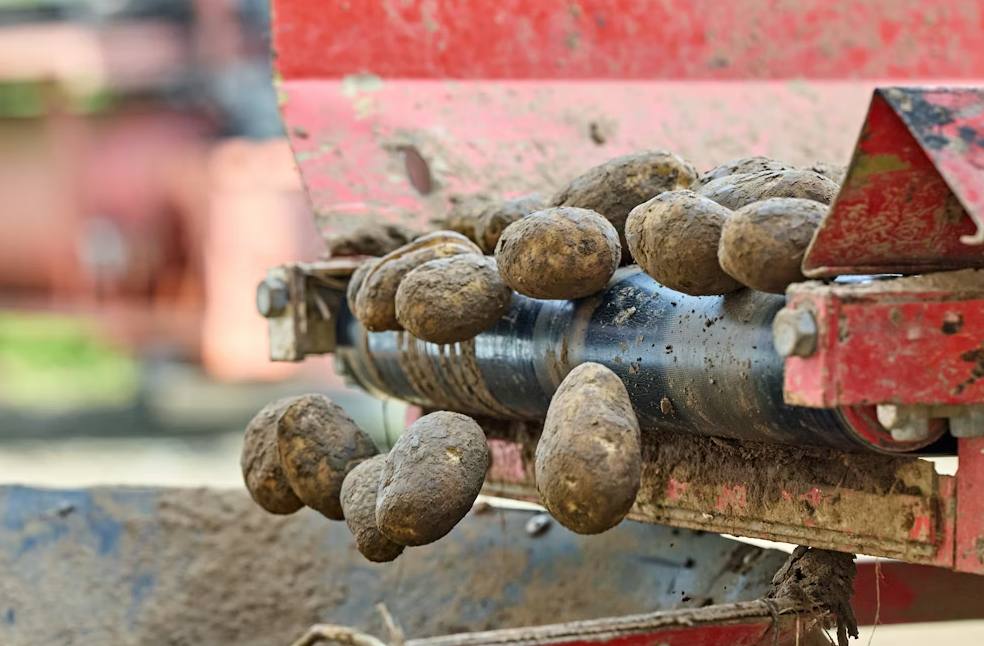
Community organisations have been among the main beneficiaries. Soup kitchens, homeless shelters, schools, kindergartens and churches have collected substantial quantities of potatoes. Berlin Zoo has also taken tonnes of produce to feed animals, preventing waste that would otherwise have sent the potatoes to landfill or biogas facilities. Two lorry loads have additionally been dispatched to Ukraine as humanitarian aid.
The potato surplus is not limited to Germany. Increased output in Belgium, the Netherlands and France has contributed to a broader European glut, intensifying pressure on farmers and distributors. Agricultural experts have noted that improved cultivation methods, favourable weather and storage constraints have made surplus management a recurring challenge across the region.
Organisers have stressed that the giveaway targets only excess production and is not intended to disrupt normal commercial markets. Some farmers have raised concerns about potential price impacts, but distribution leaders have emphasised that the potatoes involved would otherwise go unused.
The campaign highlights a growing focus on responsible surplus management, combining environmental protection with social support. By redistributing the potatoes locally, organisers have reduced waste, lowered emissions linked to disposal, and strengthened community engagement during a period of economic strain.
TOP PICKS | Heatwave across Australia’s south-east continues for eighth day
