


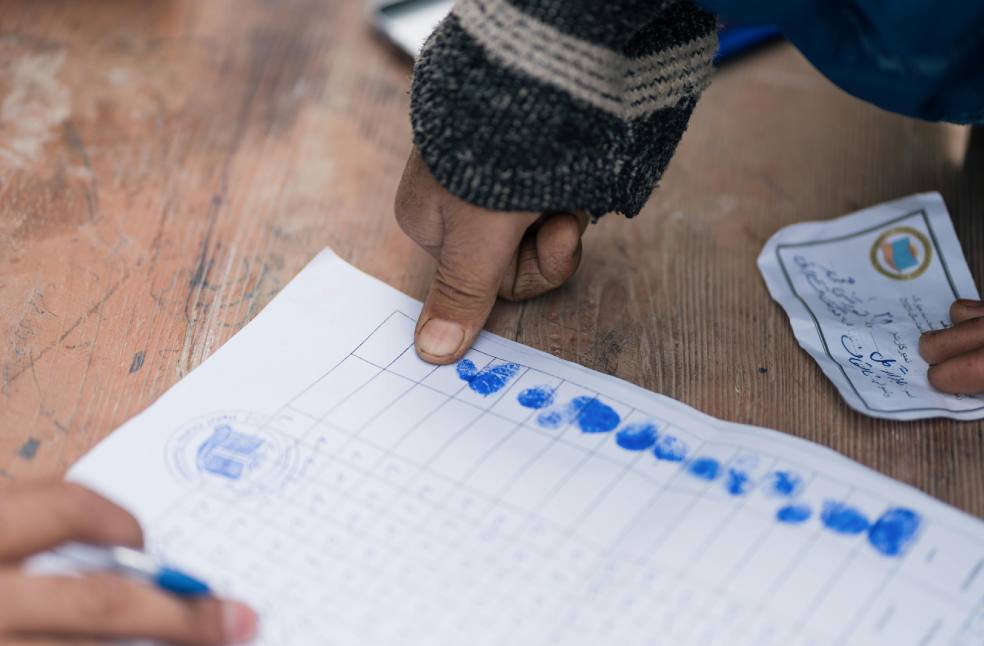
Myanmar: Polls have opened in Myanmar’s first general election since the military overthrew the democratically elected government led by Nobel laureate Aung San Suu Kyi in a 2021 coup.
The tightly controlled election is being held in around one-third of the country’s 330 townships, with large swathes of the Southeast Asian nation excluded due to ongoing civil war between the military and various opposition forces. Voting has been cancelled entirely in 65 townships, while two additional rounds of polling are scheduled for January 11 and January 25.
According to reports from Yangon, polling stations opened at 6am local time, with a steady but limited flow of voters observed. However, turnout among young voters appeared low, and ballot choices were largely restricted to military-aligned parties.
Observers and critics, including the United Nations, Western governments and human rights organisations, have dismissed the election as neither free nor fair. Opposition parties linked to the anti-military movement are barred from participating, while Aung San Suu Kyi remains in detention and her National League for Democracy (NLD) has been dissolved.
At least 20 percent of the population has been disenfranchised in the initial phase of voting, according to estimates by international observers. The pro-military Union Solidarity and Development Party (USDP) is widely expected to emerge as the dominant political force. Senior General Min Aung Hlaing, who led the 2021 coup, cast his vote in the capital Naypyidaw and has portrayed the election as a step towards national reconciliation and economic recovery.

State-run media described the polls as an opportunity to turn a new page for the country, framing them as a foundation for peace-building and reconstruction. However, the vote is taking place with widespread violence, repression and humanitarian crisis.
The civil war triggered by the coup has killed an estimated 90,000 people, displaced 3.5 million, and left more than 22 million in need of humanitarian assistance. Over 22,000 people are currently detained for political offences, according to rights groups.
Security was visibly tight in major cities, with polling stations guarded overnight and armed officers deployed at key intersections. Electronic voting machines are being used for the first time, though they do not allow write-in candidates or spoiled ballots.
While some voters dismissed international criticism, others said the election lacked legitimacy. Residents in conflict-hit regions described the process as impossible to support with widespread displacement and violence.
Analysts say the outcome is largely predetermined and unlikely to ease Myanmar’s political crisis. International recognition of any military-controlled government remains uncertain, with experts warning that the election could deepen political divisions rather than resolve them. The new administration is expected to take office in April 2026, though dates for vote counting and the announcement of results have yet to be confirmed.
MOST READ | King Charles III, Prince William plan separate US visits in 2026
