


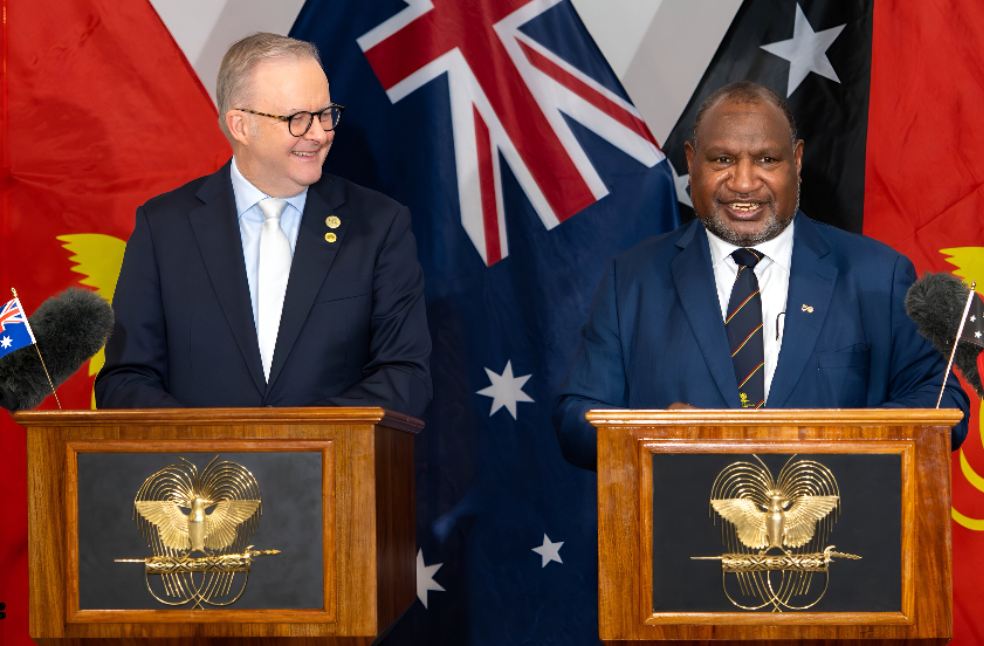
Port Moresby: Australia’s Prime Minister Anthony Albanese has faced another setback in his pushback against China’s influence in the Pacific, with a major defence treaty with Papua New Guinea (PNG) postponed due to sovereignty concerns.
A deal, known as the Pukpuk mutual defence treaty, had been expected to be signed during Albanese’s visit to Port Moresby. Instead, the prime minister left without formalising the agreement with PNG Prime Minister James Marape, with both governments agreeing to continue negotiations.
Albanese downplayed the delay, attributing it to cabinet deliberations coinciding with PNG’s independence commemorations. The two countries, however, signed a joint communique reaffirming their commitment to finalise the wider defence pact.
This marks the second delay in as many weeks for the Albanese government. Earlier this month, Vanuatu paused a joint agreement with Australia, citing the need for further consultation on Chinese funding for critical minerals.
The PNG deal is designed to establish joint defence arrangements in the event of a military attack and enable citizens of both countries to serve in each other’s defence forces. Planned initiatives include joint training exercises, improved technical interoperability, and collaboration on cybersecurity.
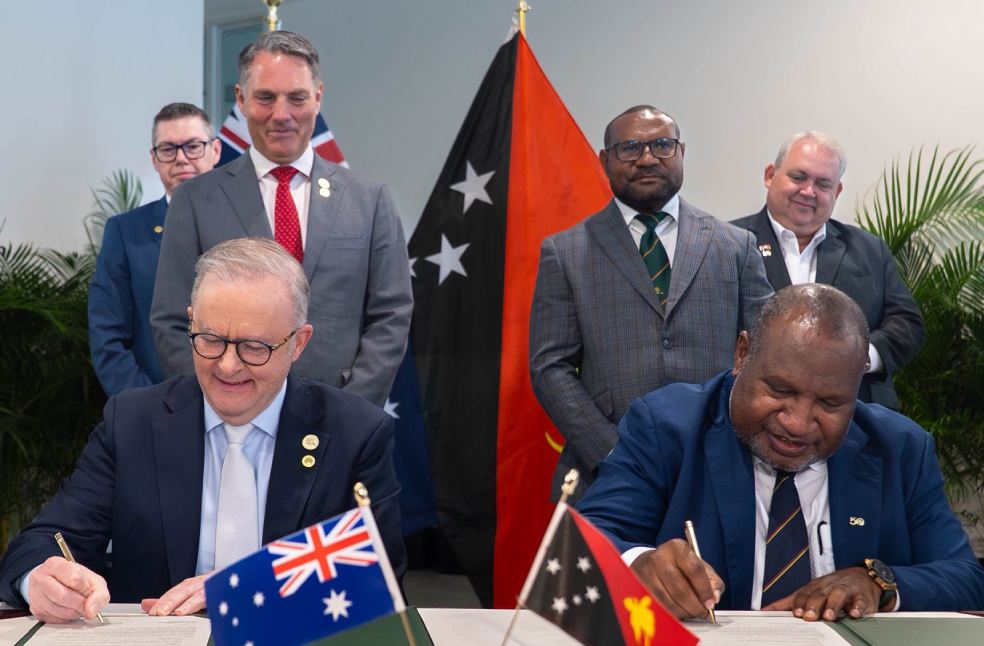
Albanese also reiterated plans for PNG to join the National Rugby League (NRL) in 2028, part of a $600 million package aimed at boosting diplomatic ties. He stressed that the NRL timeline remains unaffected despite the treaty’s delay.
Speaking at a press conference, Albanese stated that, “The text of the defence agreement has been confirmed. We will go through our respective cabinet processes and expect to finalise the signing in the coming weeks. This is very positive for both Australia and PNG.”
Marape highlighted PNG’s limited defence capabilities, calling shared security arrangements with Australia necessary. Marape emphasised that the treaty originated from PNG and would not compromise the country’s sovereignty.
However, former PNG defence force commander Major General Jerry Singirok criticised the move, accusing Albanese of attempting to ambush Marape and the PNG cabinet. Singirok raised concerns over constitutional violations and questioned why Australia could not recruit its own personnel.
PNG Foreign Minister Justin Tkatchenko described the deal as a work in progress, with further cabinet discussions. Opposition leader Sussan Ley slammed the government for rushing the agreement for optics rather than strategic planning, calling it a serious foreign policy embarrassment.
Australia continues to compete with China for influence in the Pacific, with Beijing using infrastructure funding and loan agreements to strengthen ties with island nations. Both the PNG and Vanuatu deals are now expected to be finalised in the coming months, according to Labour officials.
TRENDING | Microsoft and OpenAI ink non-binding restructuring agreement
