


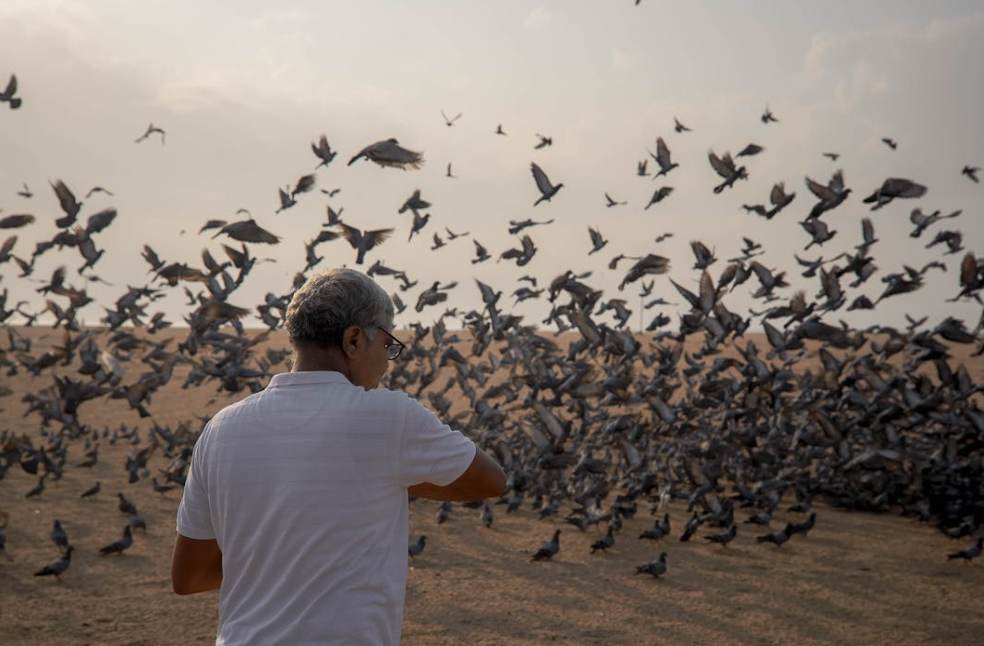
Mumbai: The pigeon feeding ban in Mumbai has become a divisive issue, pitting public health activists against communities that regard feeding as part of cultural and religious life.
The Bombay High Court has upheld the restrictions, citing health risks as paramount, while protests have continued in the city’s long-standing feeding spots known as kabutarkhanas.
Exposure to pigeon droppings has been linked to severe respiratory illnesses like pneumonia and hypersensitivity pneumonitis, according to health officials. Delhi doctors report rising cases among children and elderly residents, with studies confirming the droppings harbor dangerous fungal, viral, and bacterial pathogens – fueling demands for a pigeon feeding ban in urban areas.
The 2023 State of India’s Birds report has shown that pigeon numbers have risen by more than 150 percent since 2000, making them one of the fastest growing bird populations in the country.
Experts have linked this to easy food availability and the lack of natural predators, which has allowed pigeons to outcompete other urban birds such as sparrows. According to Delhi-based biodiversity expert Faiyaz Khudsar, this imbalance is creating wider ecological loss in Indian cities.
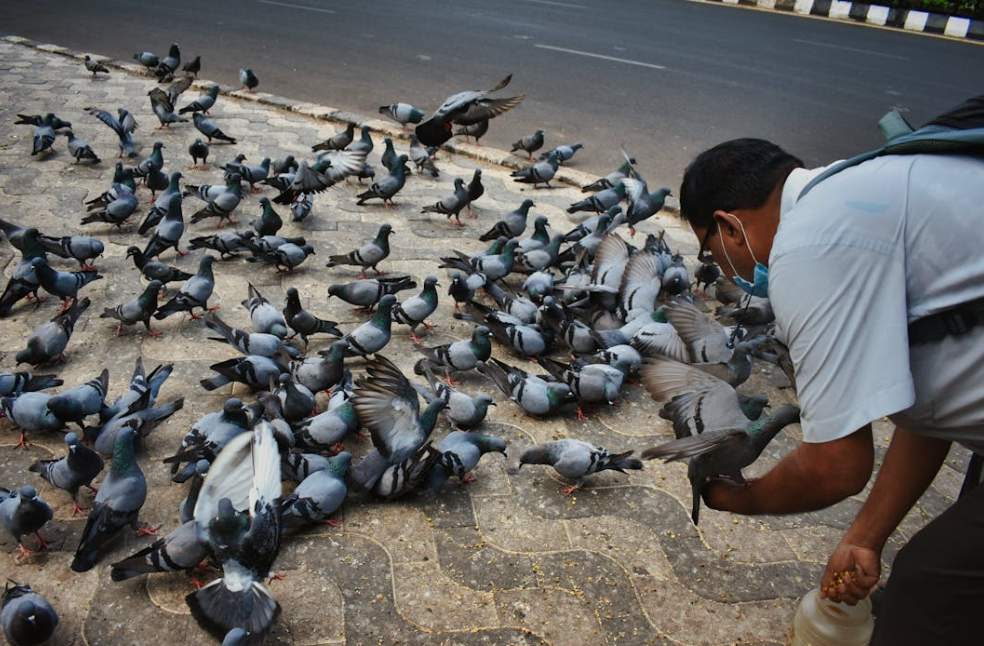
Civic authorities have argued that feeding spots often turn unhygienic, attracting pests and creating foul smells in densely populated neighbourhoods. In cities like Pune and Thane, penalties have already been introduced for feeding pigeons, while Delhi officials are considering similar measures. Internationally, cities such as Venice, Singapore, and London have long imposed strict controls on pigeon feeding for similar reasons.
Opposition to the pigeon feeding ban has remained strong. In Mumbai, members of the Jain community have protested, saying that feeding pigeons is a religious duty. Animal rights groups have also warned that abrupt bans could leave thousands of pigeons starving, raising ethical concerns.
Some residents have described pigeons as symbols of peace and innocence, arguing that kindness towards them has been part of India’s social fabric for generations.
The debate around the pigeon feeding ban has illustrated the wider challenge of balancing urban health priorities with cultural traditions. While civic bodies have stressed the need to protect residents from disease, communities have argued for preserving heritage and compassion towards animals.
As the discussions continue, authorities and activists alike have emphasised the need for solutions that respect both public health and India’s cultural ties to pigeons.
MOST READ | Zelensky accuses Russia of hindering Ukraine peace deal
