


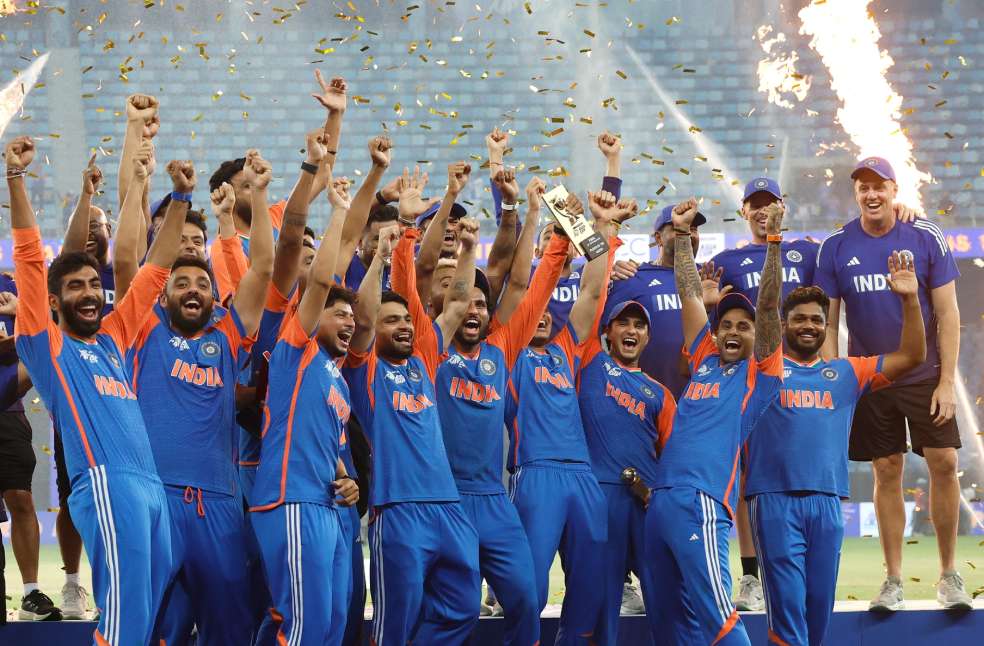
Islamabad: The Twenty20 World Cup preparations have taken a controversial turn after Pakistan decided not to take the field against India in the group-stage fixture on February 15.
While the Pakistan Cricket Team has received government approval to travel to Sri Lanka and compete in the tournament starting on February 7, the boycott decision has raised uncertainty over one of the most anticipated matches in global cricket.
The Pakistani government said that permission had been granted for participation in the Twenty20 World Cup, but the team would not play the scheduled match against India. The decision has not yet been formally communicated to the International Cricket Council, leaving questions over how the governing body may respond.
Pakistan’s stance has followed ongoing dissatisfaction with earlier decisions related to match venues. After Bangladesh requested to move its fixtures from India to Sri Lanka citing security concerns, Pakistan supported that request during an ICC board meeting. When the request was rejected and Bangladesh later declined to play in India, the team was replaced by Scotland for the tournament.
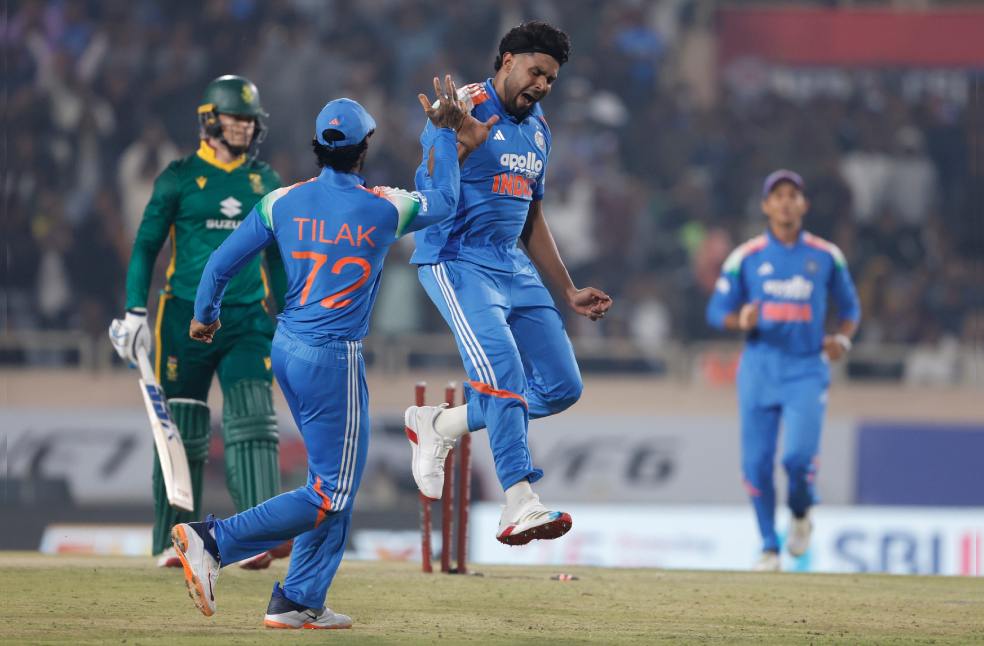
Pakistan Cricket Board chairman Mohsin Naqvi had previously warned that participation in the Twenty20 World Cup would be reconsidered, and the government decision has now confirmed that Pakistan will attend the tournament but skip the India fixture. The announcement has come just days before the team’s departure and on the same day India and Pakistan faced each other in the ICC Under-19 World Cup in Zimbabwe.
If Pakistan does not take the field on 15 February, the team is expected to forfeit the match and lose two points in the group standings. The move could also expose Pakistan to potential sanctions from the ICC, depending on how the situation is handled.
Match boycotts are not unprecedented in ICC events. During the 1996 World Cup, Australia and West Indies refused to play matches in Sri Lanka for security reasons. In the 2003 World Cup, England declined to face Zimbabwe due to political concerns, while New Zealand did not play Kenya in Nairobi.
The Twenty20 World Cup fixture between India and Pakistan is widely regarded as one of cricket’s biggest draws, and the boycott has cast doubt over a marquee encounter that attracts global attention.
POPULAR | Record potato harvest drives free giveaways across Berlin
