


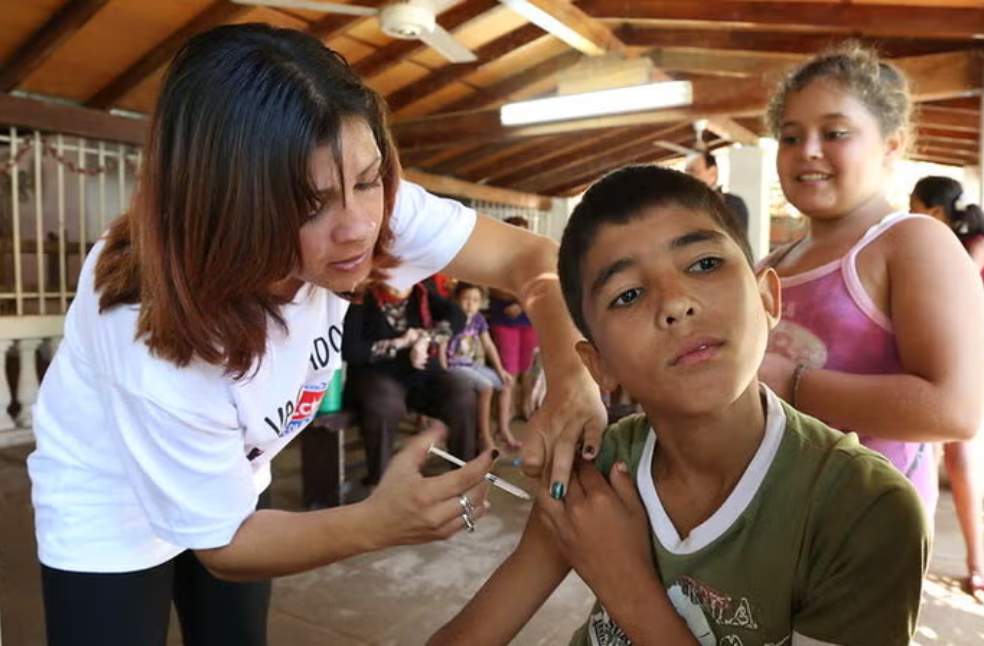
Washington: The Pan American Health Organisation (PAHO), a United Nations health agency, has issued a fresh warning over a sharp increase in measles cases across the Americas, urging countries to strengthen vaccination drives and disease surveillance to prevent further spread.
In an epidemiological alert released, PAHO said the growing number of infections in recent months signals a serious public health risk that requires immediate and coordinated action from member states.
Pan American Health Organisation remarked that, “The sharp increase in measles cases in the Americas Region during 2025 and early 2026 is a warning sign that requires immediate and coordinated action by Member States.”
According to PAHO data, 1,031 measles cases were recorded across the region in the first three weeks of 2026 alone. This follows a troubling 14,891 confirmed cases reported throughout 2025, marking a significant reversal in progress made over the past decade to eliminate the disease.
North America sees major outbreaks
PAHO highlighted North America as one of the hardest-hit areas, with the United States, Mexico and Canada reporting substantial outbreaks.
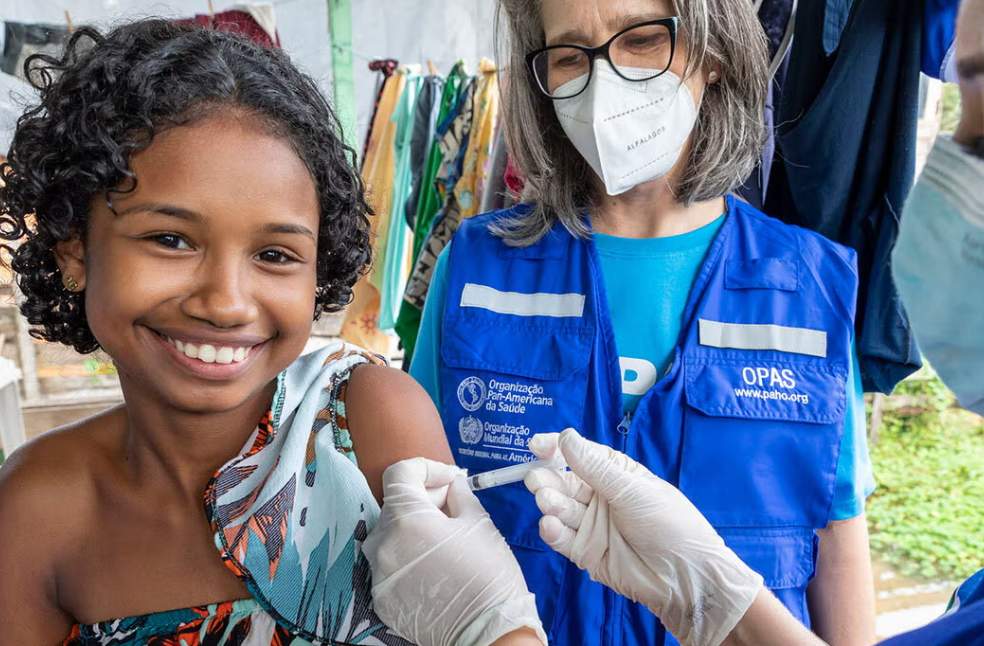
In the United States, 171 new measles cases were reported in the first three weeks of 2026, following 2,242 cases confirmed last year. One of the most severe outbreaks has occurred in South Carolina, where 876 cases have been reported in recent months. Health authorities noted that the vast majority of those infected were unvaccinated, while others had received only partial immunisation or had an unknown vaccination status.
Texas also experienced a major outbreak between January and August, with 762 cases reported. The outbreak resulted in two deaths among unvaccinated children and led to 99 hospitalisations.
The resurgence marks a setback for the US, where measles had been declared eliminated in 2000, meaning the virus was no longer spreading domestically continuously.
Elimination status at risk
Mexico, which achieved measles elimination in 1996 after extensive vaccination campaigns, reported the highest number of cases in the region last year. The country recorded 6,428 measles cases in 2025 and an additional 740 cases in the first three weeks of 2026.
The wider Americas region had been declared measles-free in 2016, but ongoing outbreaks now threaten that status. PAHO has indicated it will review the measles elimination status of both the US and Mexico during a virtual meeting scheduled for April 13.
Canada has already lost its measles elimination status, which was rescinded in November following multiple outbreaks since October 2024. PAHO reported 5,436 cases in Canada last year and 67 more in early 2026. The country can regain elimination status only after halting outbreak-related transmission for more than a year.
Why measles remains dangerous
Measles is a highly contagious airborne virus that can infect up to nine out of ten unvaccinated people exposed to it. While many recover within weeks, the disease can cause severe and sometimes fatal complications, particularly in young children.
Complications include ear infections, lung inflammation, pneumonia and encephalitis, a dangerous swelling of the brain that can lead to seizures, memory loss and long-term neurological damage.
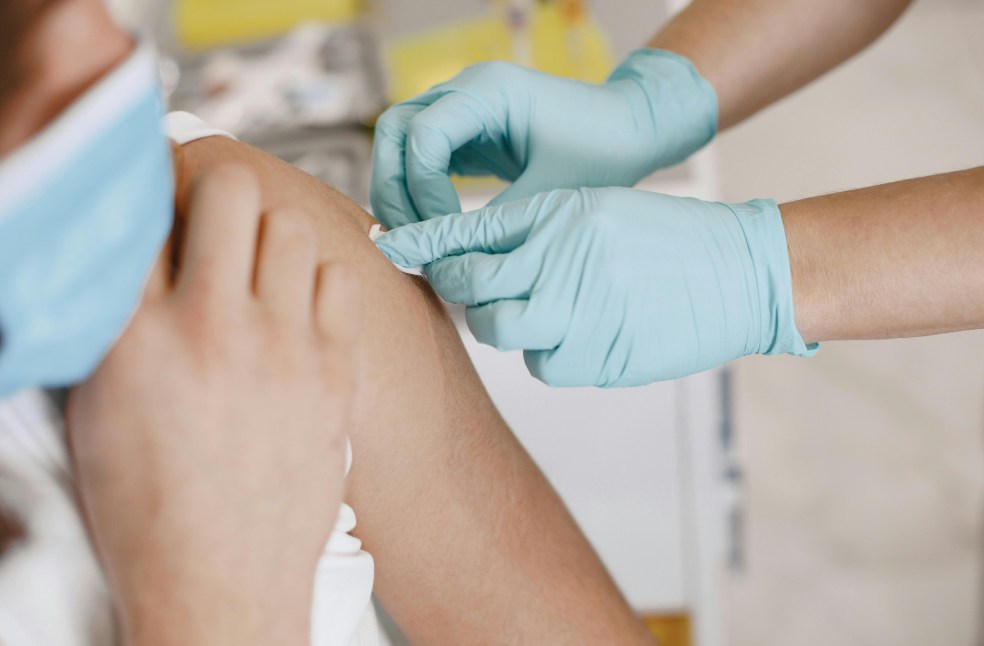
Health experts stress that vaccination remains the only effective way to prevent measles and stop its spread. The measles, mumps and rubella (MMR) vaccine is typically administered in two doses during early childhood and is widely regarded as safe and effective.
PAHO and other health authorities have expressed concern that declining vaccination rates, driven in part by misinformation and vaccine hesitancy, are contributing to the resurgence of the disease.
Medical experts, including those at the US Centers for Disease Control and Prevention, continue to emphasise that the risks associated with measles infection far outweigh any potential side effects of the vaccine, underscoring the importance of immunisation in protecting public health.
POPULAR | Spain plans social media ban for children under 16
