


San Francisco: OpenAI has been working on a family of artificial intelligence devices that could include a smart speaker, smart glasses and a connected lamp, according to a report citing people familiar with the plans. The OpenAI hardware effort has involved more than 200 staff as the company moves deeper into consumer electronics.
The first product in the lineup has been expected to be a smart speaker, with a potential price between $200 (£158) and $300 (£237). The device has been designed to include a built-in camera capable of gathering contextual information about users and surroundings. However, the speaker has not been expected to ship until at least February 2027.
Additional devices have been under consideration as part of the broader hardware strategy. Smart glasses linked to the same ecosystem have been projected for a later release window, with mass production possibly not beginning until 2028. The development timeline has reflected a longer-term push into AI-enabled physical products.
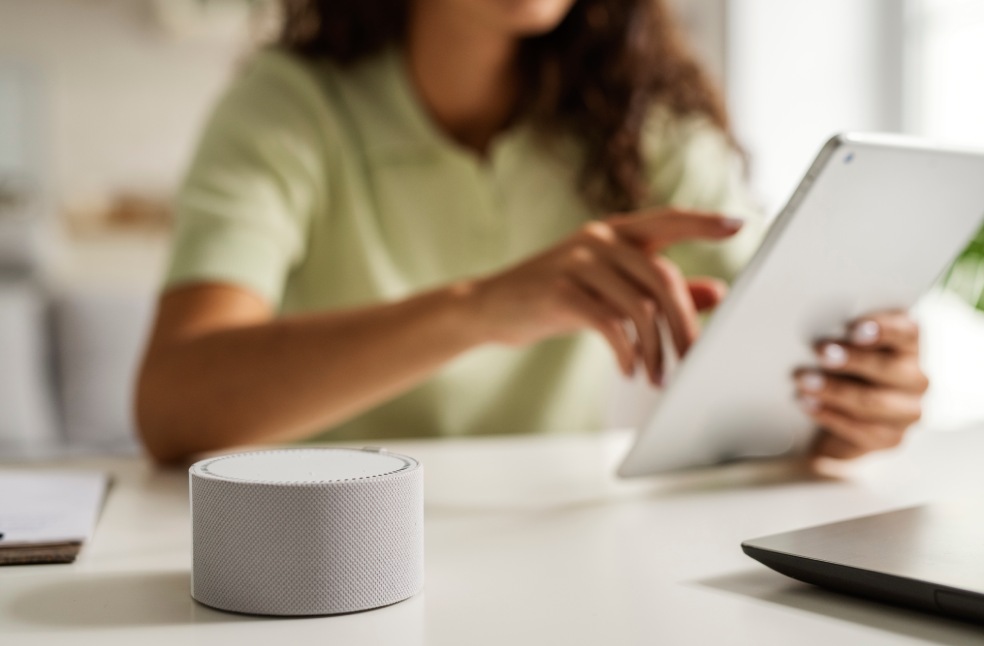
OpenAI has entered the hardware sector following the $6.5 billion (£5.15 billion) acquisition of former Apple designer Jony Ive’s startup io Products. The move has been intended to accelerate the company’s ambitions in physical AI devices and augmented reality, areas that have drawn increasing competition among major technology firms.
Rival companies have also been expanding in the wearable and AI device space. Meta has reported strong demand for its Ray-Ban smart glasses, which allow users to record and stream content. Apple and Google have been reported to be developing their own smart eyewear, signalling intensifying competition across the sector.
OpenAI has not publicly commented on the reported plans. The company’s push into hardware has been seen as part of a broader strategy to integrate artificial intelligence more deeply into everyday consumer devices and environments.
MOST READ | Sanae Takaichi warns on China, plans defence overhaul
