


Washington: OpenAI has detailed additional safeguards in its new agreement with the Pentagon to deploy artificial intelligence tools on the US defence department’s classified network. The OpenAI contract has included layered protections designed to restrict how its technology can be used within national security systems.
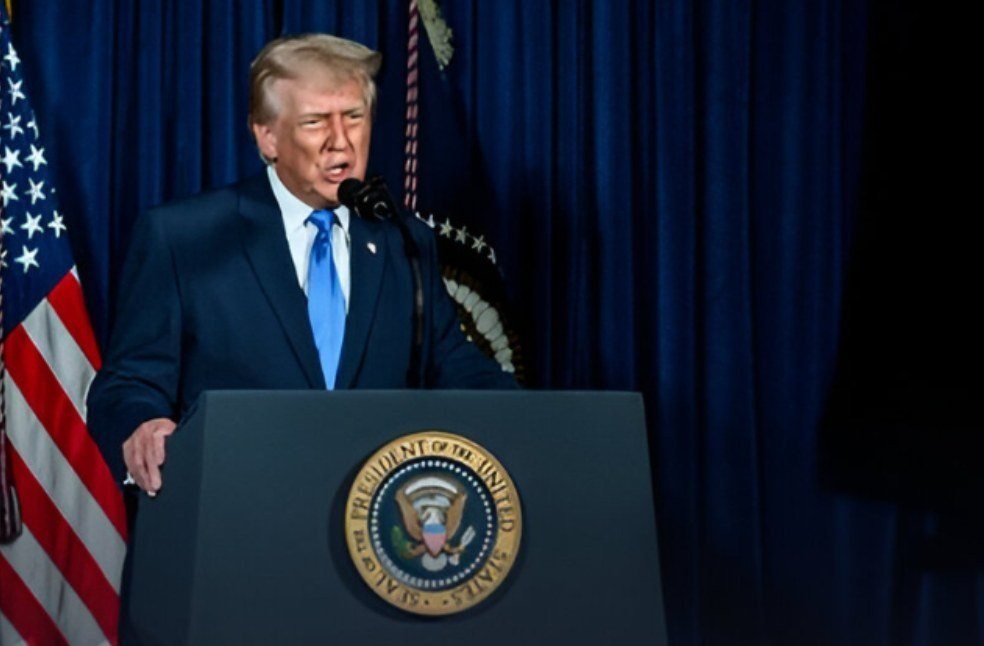
The announcement has come a day after US President Donald Trump directed the government to stop working with rival AI firm Anthropic. The Pentagon has said it would designate Anthropic as a supply-chain risk, a move the company has stated it would challenge in court.
Soon after that development, OpenAI confirmed its own defence agreement. OpenAI has said the deal contains more guardrails than previous classified AI deployments, including those involving Anthropic. The company has outlined three red lines within the contract: its technology cannot be used for mass domestic surveillance, to direct autonomous weapons systems, or for high-stakes automated decision-making.
OpenAI has stated that, “We think our agreement has more guardrails than any previous agreement for classified AI deployments.” The company has added that it retains full discretion over its safety stack, deploys via cloud infrastructure, keeps cleared OpenAI personnel involved, and relies on strong contractual protections.
The Pentagon has signed agreements worth up to $200 million each with major AI labs over the past year, including OpenAI, Anthropic and Google. Defence officials have sought flexibility in using advanced AI systems while avoiding limitations tied to concerns raised by developers about unreliable AI in weapons systems.
OpenAI has cautioned that any breach of its agreement by the US government could trigger termination, though the company has said it does not expect that to occur. It has also made clear that Anthropic should not be labelled a supply-chain risk, noting that its position has been communicated directly to the government.
POPULAR | Judge blocks Virginia social media restrictions for children
