



Ottawa: Canada’s Parliament has passed the One Canadian Economy Act, a landmark piece of legislation that gives Prime Minister Mark Carney’s government new powers to fast-track major national infrastructure and economic projects.
The bill, which cleared the Senate, allows the federal cabinet to streamline approval processes and override certain provisions in federal laws for projects deemed vital to Canada’s economy.
According to the government, the act will remove trade barriers, accelerate nation-building projects, enhance internal trade and labour mobility, and drive economic growth, with an emphasis on fostering Indigenous partnerships.
The One Canadian Economy Act has received Royal Assent.
With it, we’ll break down more barriers to internal trade and build big things faster across the country.
Thanks to all the Members of Parliament and Senators — from all parties — who got this done, together.
— Mark Carney (@MarkJCarney) June 26, 2025
Prime Minister Carney has indicated that the powers could be used to develop energy corridors, such as pipelines and electricity transmission lines, and to expand mines and ports nationwide. Supporters of the bill, including Senator Hassan Yussuff, argue it is a necessary response to an ‘urgent and immediate crisis,’ particularly in light of growing trade tensions with the United States.
US President Donald Trump has imposed tariffs on Canadian steel, aluminium, and the auto sector, prompting Carney to campaign on strengthening the domestic economy and reducing dependence on US trade. The bill’s passage also fulfills an election promise to eliminate interprovincial trade barriers by Canada Day on July 1.
Act draws criticism
However, the legislation has drawn significant criticism from Indigenous groups and environmental advocates, who fear it could stifle opposition and diminish the voice of rights holders.
While the One Canadian Economy Act does not mandate what specific projects will be undertaken, it gives the government broad authority to push through developments in the national interest,’ raising alarm over whether proper consultation with Indigenous communities will occur.
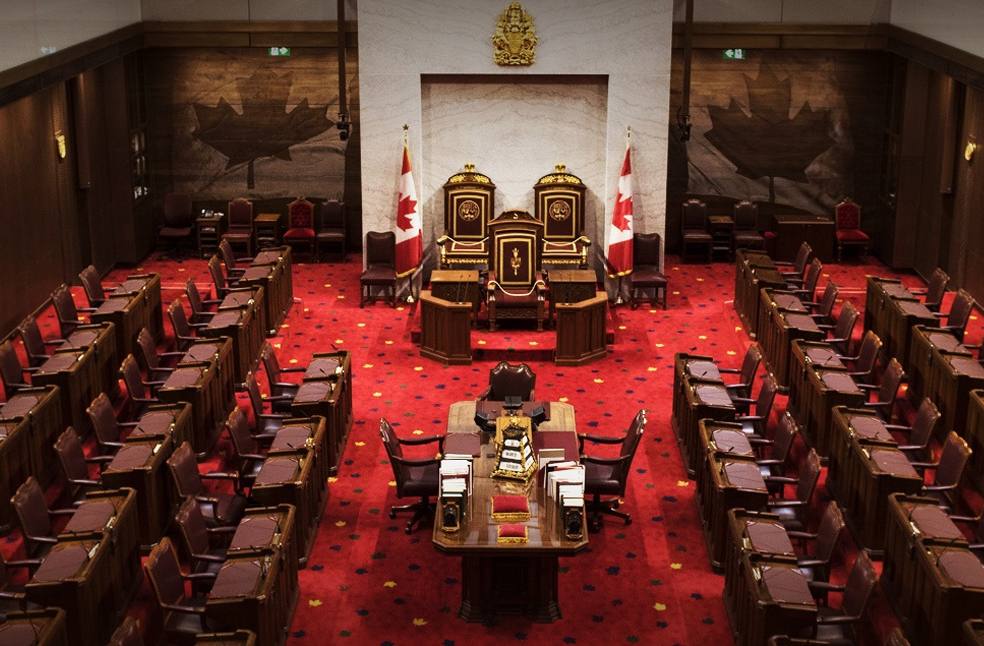
Senator Paul Prosper, representing Nova Scotia and a member of the Mi’kmaq Indigenous group, proposed an amendment requiring Indigenous consent before any project could move forward. His amendment was rejected.
Prosper criticized the rapid passage of the One Canadian Economy Act and said that with a few extra months, meaningful engagement with rights holders could have been achieved. While acknowledging the need for development, Prosper warned against economic progress coming at the expense of Indigenous rights.
“No one wants to watch our children grow up in squalor, with no access to clean drinking water, no opportunity for good-paying jobs, and no support for our sick and dying. However, we do not want success and progress to come on the backs of Indigenous Peoples,” Prosper told the Senate.
In response to concerns, the government emphasized that the act includes a requirement to consult with Indigenous peoples before any project is expedited under the new framework. Despite this, many remain wary of the implications for Indigenous sovereignty and environmental protections.
The passage of the One Canadian Economy Act marks a significant legislative victory for Carney and a bold shift in Canada’s economic strategy amid shifting global and cross-border trade dynamics.
ALSO READ | Bezos and Sanchez to celebrate glamorous wedding in Venice
