


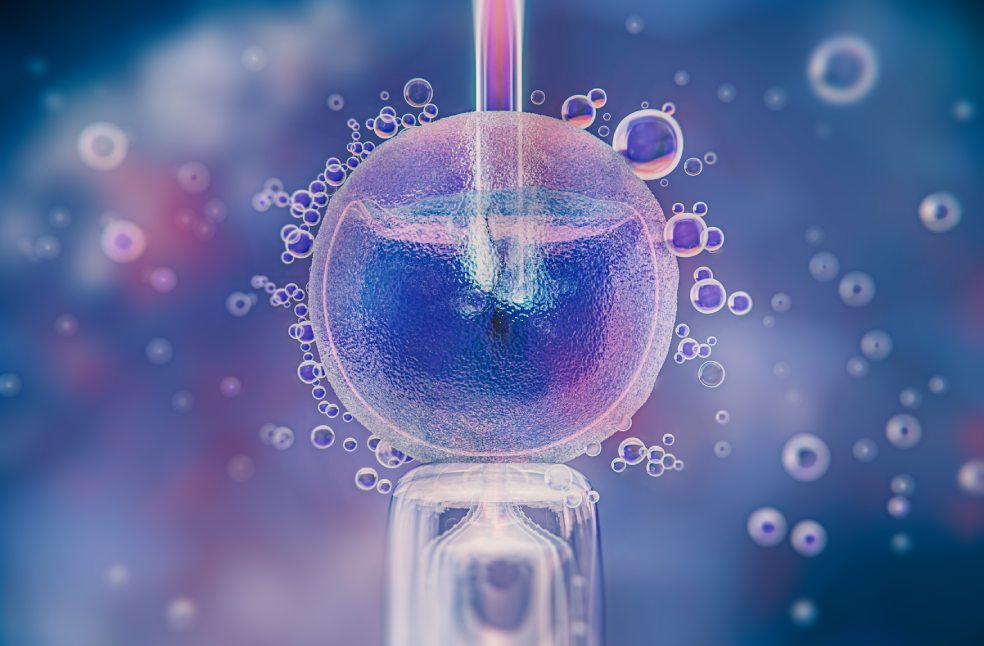
Ohio: A groundbreaking medical milestone has occurred in Ohio, United States, where the oldest baby born from frozen embryo has been delivered after the embryo was preserved for over 30 years.
Thaddeus Daniel Pierce was born on July 26, 2025, following the transfer of a cryopreserved embryo that had been stored since 1994. The embryo originally belonged to Linda Archerd, now 62, who underwent in vitro fertilisation (IVF) in the early 1990s.
Of the four embryos created, one led to the birth of her daughter, while the remaining three were frozen embryos and cryopreserved. Years later, following her divorce, Archerd retained legal custody of the frozen embryos and opted to donate them through a process known as embryo adoption.
Embryo adoption, a form of embryo donation, allows both donors and recipients to be involved in selecting the match. In this case, Archerd expressed a preference for her embryo to be adopted by a white, Christian married couple. The embryo was ultimately adopted by Lindsey and Tim Pierce, who sought to build their family through IVF.

Lindsey stated that, they were not aiming to set a record but simply wanted to welcome a baby. The birth was reportedly challenging, but both mother and child are now doing well. Archerd added that, they noticed a striking resemblance between Thaddeus and her daughter as infants, confirming the biological connection.
The fertility clinic responsible for the embryo transfer is led by Dr. John Gordon, a reproductive endocrinologist who believes in the ethical responsibility of giving stored embryos a chance at life. Dr. Gordon estimated that, every embryo deserves a chance and should not remain indefinitely frozen without the opportunity to develop.
IVF has seen a steady rise globally, including in the United Kingdom where the Human Fertilisation and Embryo Authority (HFEA) reports that IVF now accounts for 3.1 percent of all births, approximately one in every 32 children. Among women aged 40 to 44, IVF births represent 11 percent of live births, compared to just 4 percent in 2000.
This historic birth has reignited discussions on frozen embryo preservation, reproductive choice, and the science of fertility, reminding us that medical advancements continue to push the boundaries of what’s possible in family building.
MOST READ | Australia cuts student loans by 20% to ease cost-of-living pressure
