


Singapore: The global oil price has surged again as markets react to supply risks linked to the Iran conflict, despite an agreement by major economies to release large amounts of oil from emergency reserves.
Brent crude has climbed more than 9 percent in Asian trading, rising above $100 (£74.79) per barrel. The increase has occurred even after all 32 member countries of the International Energy Agency (IEA) announced plans to release a record 400 million barrels of oil to address supply concerns.
The emergency move represents the largest coordinated release of reserves in the organisation’s history. The previous record occurred after Russia’s invasion of Ukraine in 2022, when the IEA coordinated a major release to stabilise global energy markets.
However, analysts have said the current oil price surge reflects growing fears that disruptions to energy supply routes could persist.
Iran has warned that oil could reach $200 (£149.58) per barrel as tensions escalate in the Strait of Hormuz. The narrow waterway is one of the most critical shipping routes for global energy supplies, with roughly one fifth of the world’s oil passing through the strait.
An Islamic Revolutionary Guard Corps spokesperson said that vessels linked to the United States, Israel or their allies could become targets as attacks on ships intensify in the region.
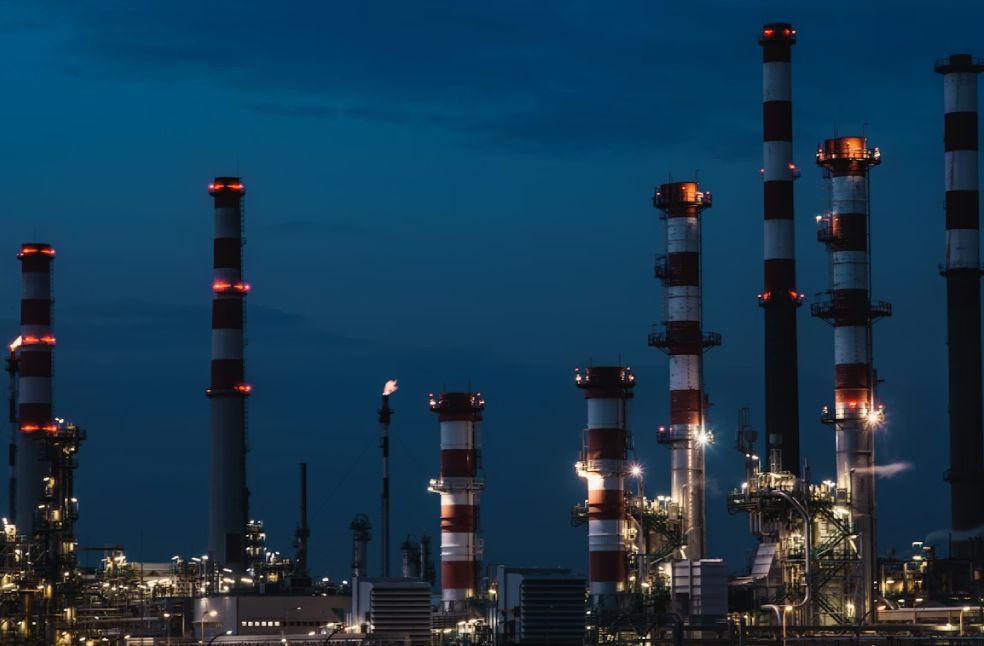
Energy markets have remained highly volatile since the United States and Israel launched airstrikes against Iran on 28 February. Brent crude had already approached $120 (£89.75) per barrel earlier in the week as traders reacted to fears of prolonged disruption.
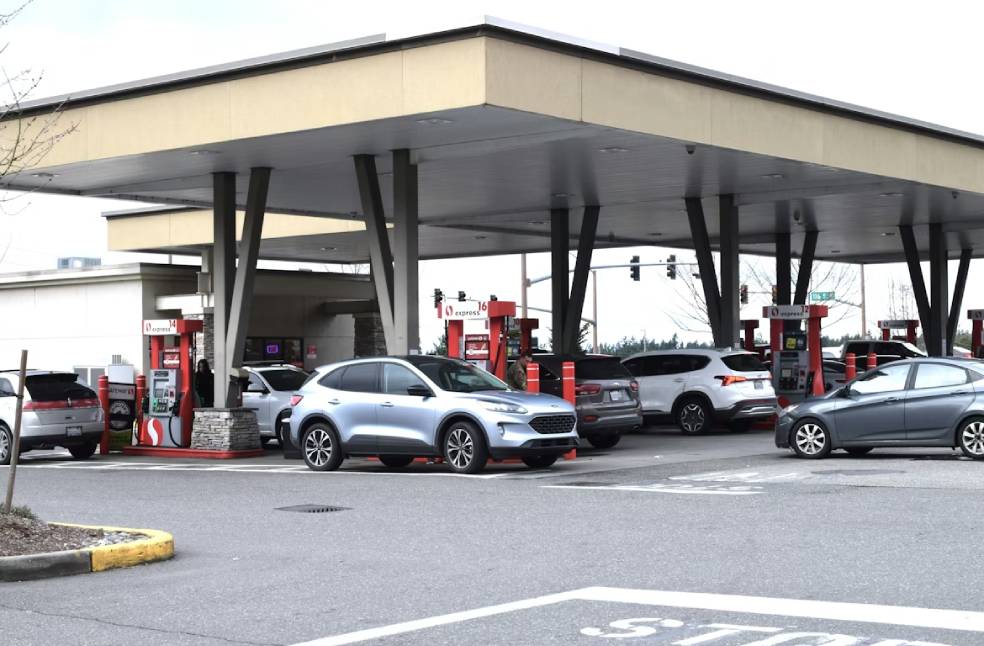
Rising energy costs have already affected fuel prices around the world. In the United States, the average petrol price has risen above $3.50 per gallon, according to data from the American Automobile Association.
Several Asian countries have been particularly affected because of their heavy reliance on energy imports from the Middle East.
Long queues have been reported at petrol stations in the Philippines, Thailand and Vietnam as consumers attempt to secure fuel amid price increases.
Governments in the region have also introduced measures to conserve energy. Thailand has encouraged staff in many government departments to work from home, while officials have been asked to avoid non essential overseas travel.
In the Philippines, authorities have introduced a four day work week for government employees to help reduce national energy consumption.
RELATED POST | Oil prices hit 2 year high as Gulf energy shutdown fears grow
