


China: Chip giants Nvidia and AMD have agreed to pay the US government 15 percent of their semiconductor revenues from sales in China.
This deal is part of a broader agreement to secure export licences to the world’s second-largest economy with ongoing US-China tech tensions. Nvidia will pay 15 percent of its revenues from its H20 chip sales in China, while AMD will contribute the same percentage from its MI308 chip revenues, according to a report by the Financial Times. These chips are key components in artificial intelligence applications.
Nvidia stated that, “We follow rules the US government sets for our participation in worldwide markets. While we haven’t shipped H20 to China for months, we hope export control rules will let America compete in China and worldwide.” The company also emphasised the importance of maintaining US leadership in AI technology, stating that America cannot afford to lose ground as it did in 5G.
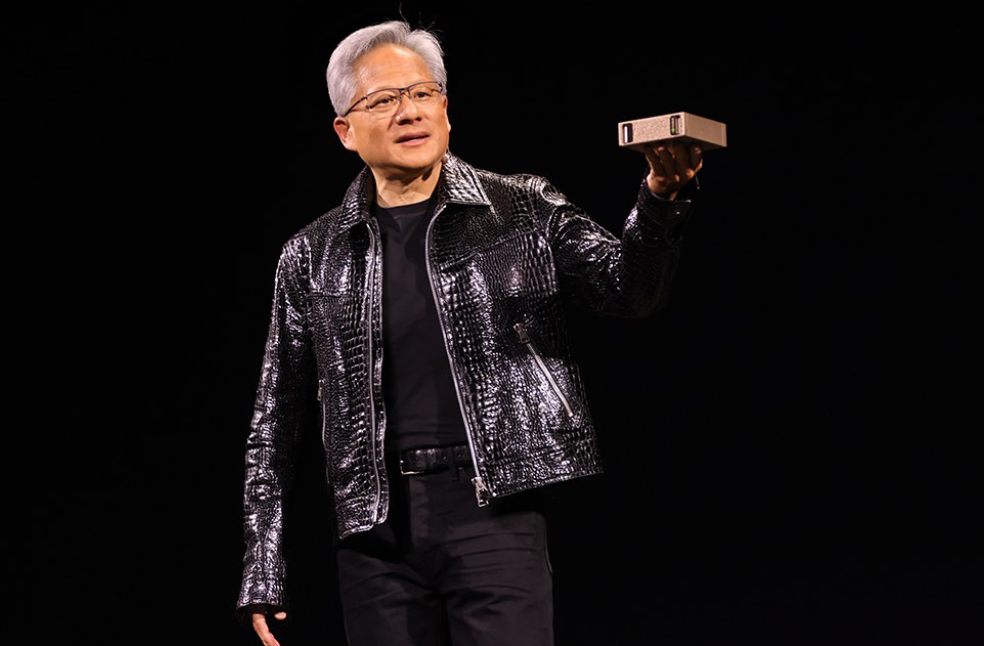
The H20 chip was specifically developed for the Chinese market after export restrictions were imposed by the Biden administration in 2023, following a sales ban under the Trump administration earlier this year.
Industry analysts describe the arrangement as ‘unprecedented.’ Charlie Dai from global research firm Forrester commented that, “The arrangement underscores the high cost of market access amid escalating tech trade tensions, creating substantial financial pressure and strategic uncertainty for tech vendors.”
Trade policy experts remain sceptical. Deborah Elms, head of trade policy at the Hinrich Foundation, remarked that, “You either have a national security problem or you don’t. A 15 percent payment doesn’t eliminate the national security issue.”
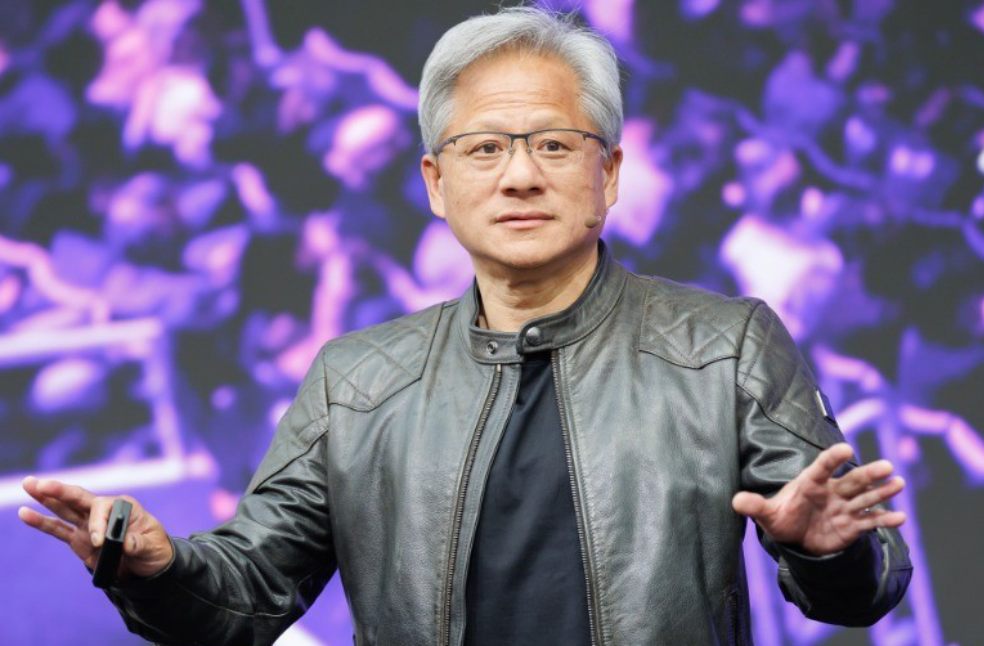
Nvidia CEO Jensen Huang reportedly lobbied extensively for the resumption of chip sales to China. The easing of chip export restrictions coincides with improving trade relations between Washington and Beijing. China has relaxed rare earth export controls, while the US has lifted certain restrictions on chip design software firms operating in China. Both countries agreed to a 90-day truce in their tariff war in May, with ongoing discussions to extend the pause ahead of an August 12 deadline.
Meanwhile, major US tech companies continue to pledge significant domestic investments. Apple announced an additional $100 billion investment in the US, adding to its earlier $500 billion pledge over four years. Memory chip maker Micron Technology plans $200 billion in US investments, including a new manufacturing facility in Idaho.
Nvidia has also unveiled plans to build AI servers in the US worth up to $500 billion, aiming to develop the country’s first fully American-made AI supercomputers.
TRENDING | 4 Astronauts return to Earth after 5-month ISS mission
