


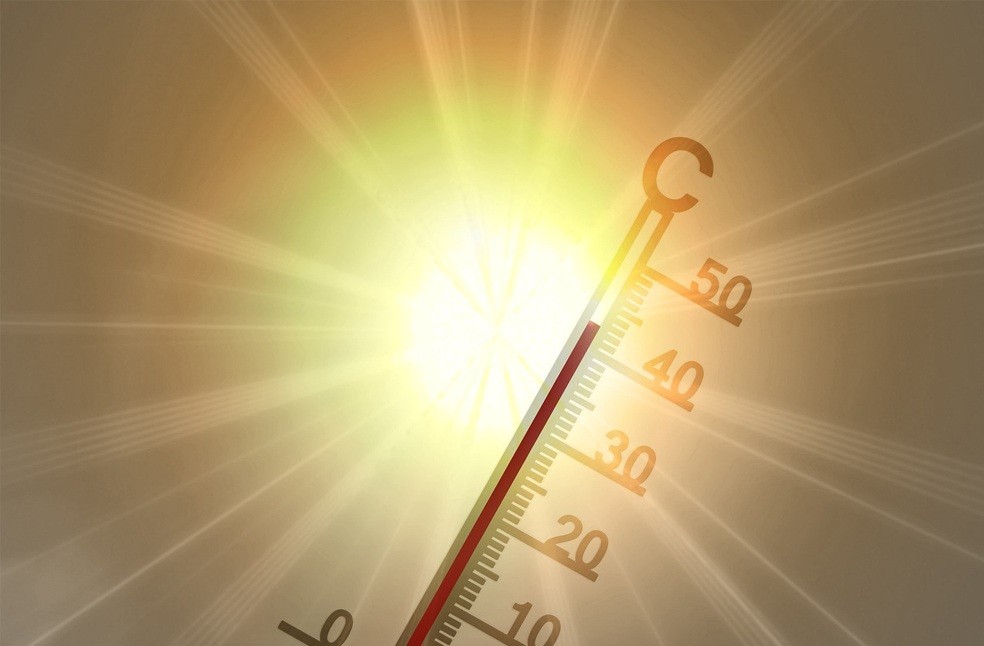
Copenhagen: The Nordic heatwave climate crisis has gripped Norway, Sweden, and Finland, delivering record-breaking temperatures in regions known for their cooler climates.
July has seen Finland endure 22 consecutive days above 30 degree Celsius, while Sweden recorded 10 ‘tropical nights’ in which temperatures stayed above 20 degree Celsius . Scientists have confirmed that the climate crisis, driven by the burning of fossil fuels, has made this extreme heat at least 10 times more likely and approximately 2 degree Celsius hotter than it would have been without human influence.
The impacts have been severe. Hospitals have reported overheating and overcrowding, with some forced to cancel surgeries. At least 60 people have drowned as outdoor swimming increased, while toxic algal blooms have spread in lakes and seas.
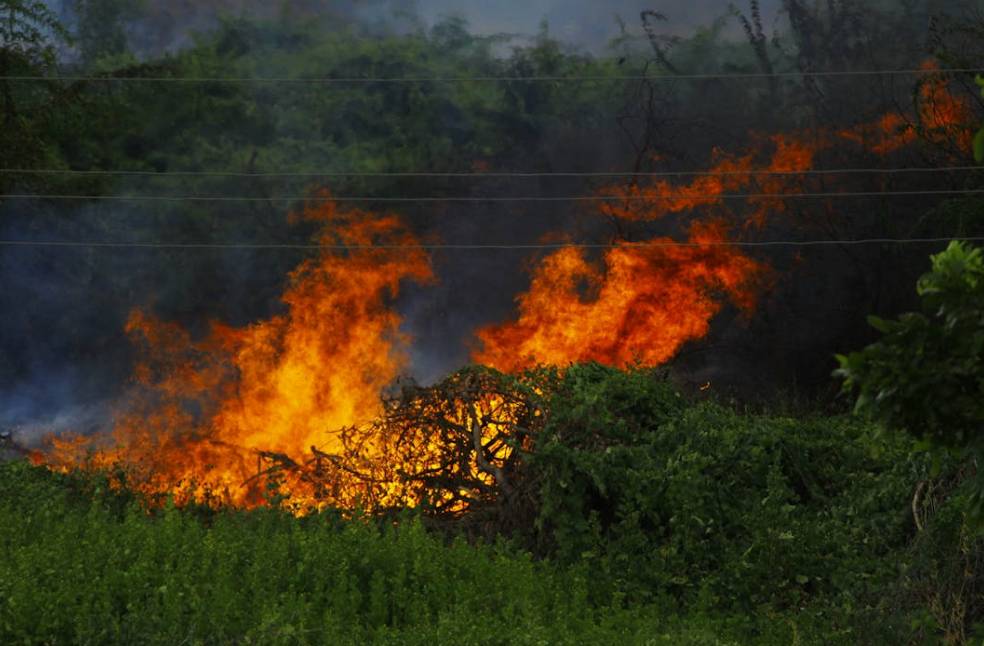
Hundreds of wildfires have burned across forests, and reports have emerged of people fainting during holiday-season events. Wildlife has also suffered, with reindeer dying in the heat or seeking shade in urban areas, even in road tunnels, posing risks to drivers.
The heatwave is straining infrastructure not designed for such extremes, particularly in caring for vulnerable elderly populations. Experts warn that the livelihoods of Indigenous Sámi communities, who have herded reindeer for over 1,000 years, are now under threat, turning this into a human rights issue.
Climate scientists warn that if global heating reaches 2.6 degree Celsius, the current projected trajectory, heatwaves of this scale will become five times more frequent by 2100. They stress that every fraction of a degree matters, as even a 0.2 degree Celsius increase since 2018 has already doubled the chance of such events. The findings underscore urgent calls to end fossil fuel use and accelerate a global shift to renewable energy.
POPULAR | Japan boxing safety measures tightened after deaths in Tokyo event
