


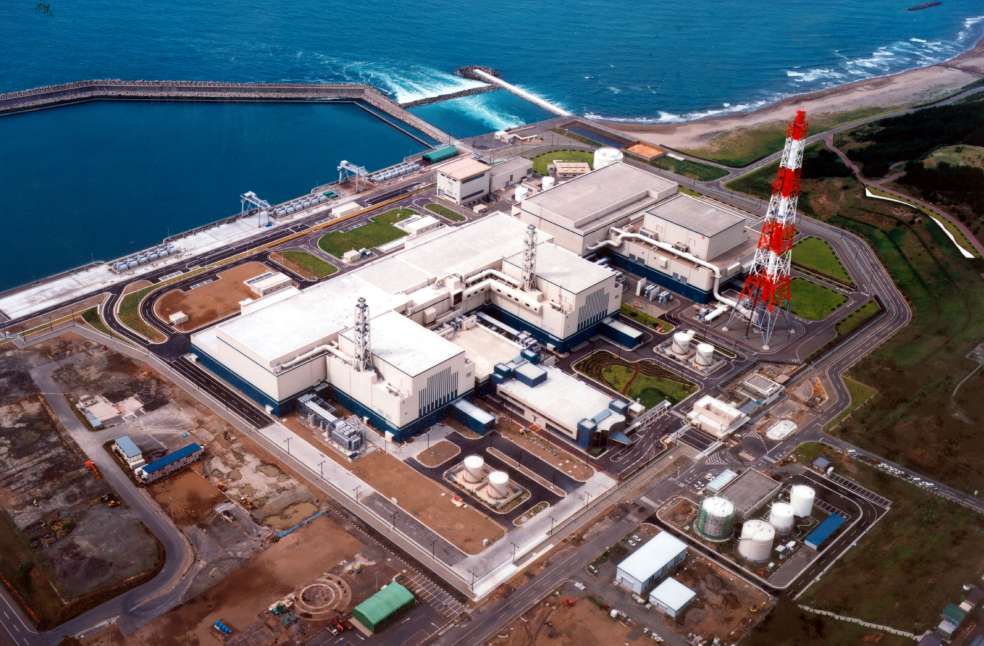
Niigata: Japan’s Niigata prefecture is expected to endorse the restart of the world’s largest nuclear power plant, marking a significant step in the country’s gradual return to nuclear energy more than a decade after the Fukushima disaster.
The Kashiwazaki-Kariwa nuclear power station, located around 220 kilometres northwest of Tokyo, was shut down along with dozens of reactors nationwide following the 2011 earthquake and tsunami that triggered the Fukushima Daiichi nuclear crisis. Of the 54 reactors taken offline at the time, only 14 of the 33 still operable units have since been restarted.
If approved, Kashiwazaki-Kariwa would become the first nuclear plant operated by Tokyo Electric Power Company (TEPCO) to resume operations since Fukushima. TEPCO has indicated it could restart the first of the plant’s seven reactors as early as January 20, although the utility has not confirmed a timeline.
TEPCO has pledged $641 million (100 billion yen) in investment into Niigata over the next decade to gain local support, but resistance remains strong. A prefectural survey conducted in October showed that 60 percent of residents believe conditions for a restart have not been met, while nearly 70 percent expressed concern about TEPCO’s ability to operate the plant safely.
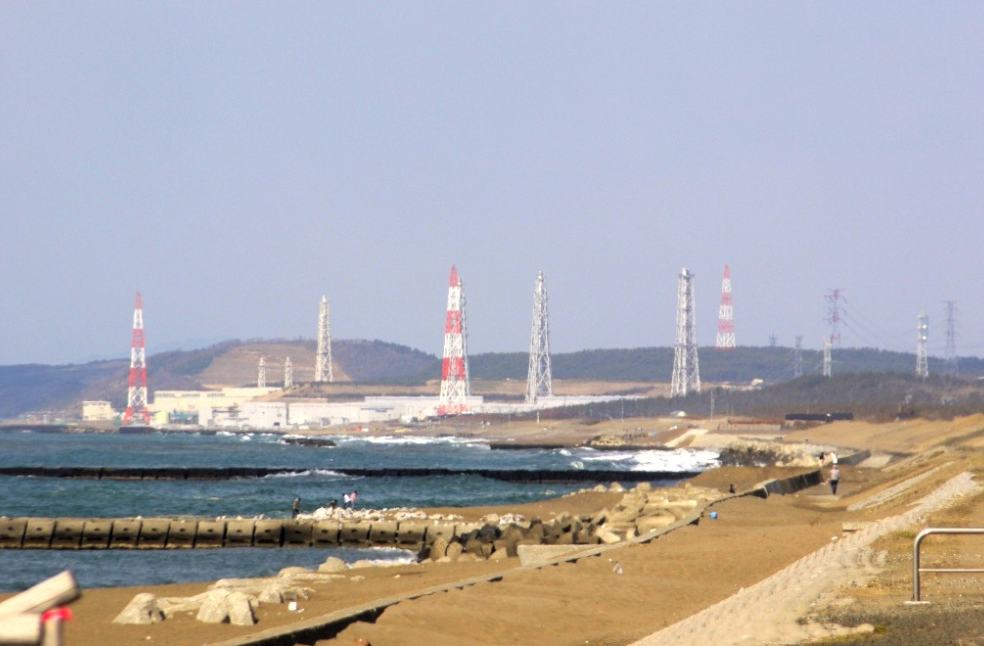
Anti-nuclear activists, including former Fukushima evacuees now living in Niigata, continue to protest the move, citing lingering trauma and fears of another nuclear accident. Even Governor Hideyo Hanazumi, who backed the restart last month, has said he hopes Japan will eventually reduce its reliance on nuclear power.
The prefectural assembly’s vote of confidence in Governor Hanazumi on Monday is seen as the final political hurdle before the restart. According to Japan’s trade ministry, a single reactor at Kashiwazaki-Kariwa could increase electricity supply to the Tokyo region by about 2 percent.
Prime Minister Sanae Takaichi has strongly supported nuclear restarts as part of efforts to strengthen energy security, cut reliance on costly fossil fuel imports, and meet decarbonisation targets. Japan currently depends on fossil fuels for up to 70 percent of its electricity and spent more than 10 trillion yen on imported energy last year.
With electricity demand expected to rise due to the expansion of AI data centres, Japan aims to double nuclear power’s share of its energy mix to 20 percent by 2040. Analysts say public acceptance of the Kashiwazaki-Kariwa restart would be a critical milestone in achieving that goal.
Despite government backing, opposition remains vocal, with protests planned outside the Niigata assembly as lawmakers cast their vote. For many residents, the revival of nuclear power continues to evoke memories of Fukushima and fears of repeating history.
MOST READ | Joshua stops Jake Paul in 6th round in controversial Netflix bout
